
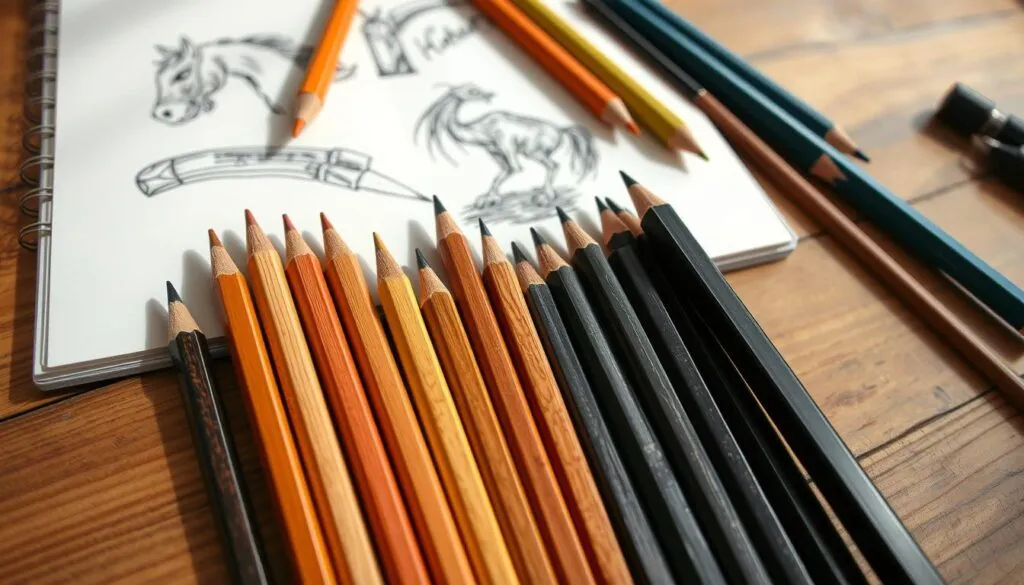
The humble drawing pencil is perhaps the most fundamental tool in an artist’s arsenal. Whether you’re sketching a quick idea, creating detailed illustrations, or working on a masterpiece, the quality and type of pencil you choose can significantly impact your artistic expression. In this guide, we’ll explore everything you need to know about selecting the perfect Drawing pencils to elevate your artwork and unlock your creative potential.
Introduction to Drawing Pencils
Drawing pencils are specialized tools designed specifically for artists, offering greater control, versatility, and expression than regular writing pencils. Unlike standard writing pencils that typically come in one grade (usually HB), drawing pencils are available in a wide range of hardness and softness, allowing artists to create everything from the faintest lines to the richest, darkest shadows.
Overview of Drawing with Pencils
Drawing with pencils offers unparalleled versatility. You can create delicate, precise lines or bold, expressive strokes. The graphite can be smudged, blended, layered, and erased to achieve various effects. This flexibility makes pencil drawing accessible to beginners while offering endless possibilities for advanced artists to explore.
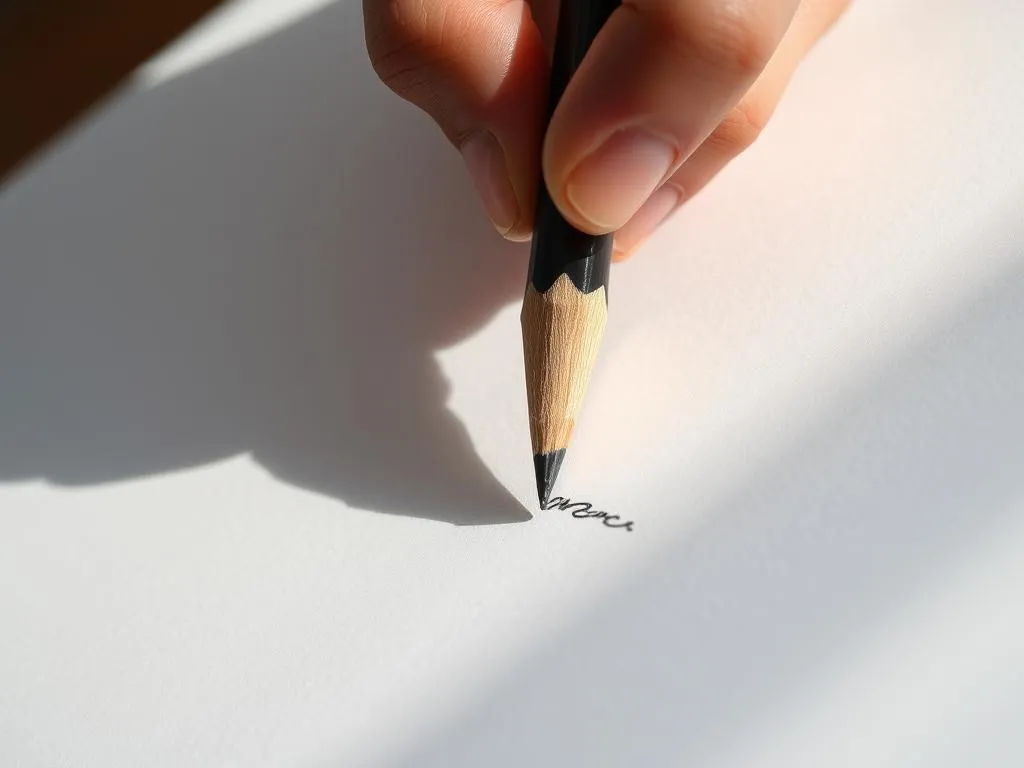
Importance of Choosing the Right Type
The right pencil can make your artistic journey smoother and more enjoyable. Different pencil types and grades serve different purposes – from preliminary sketching to detailed rendering and final touches. Using inappropriate pencils can lead to frustration, limited expression, and even damage to your artwork. Investing in quality drawing pencils suited to your style and needs is a small expense that yields significant benefits for your artistic development.
Exploring Different Pencil Types
Graphite Pencils for Detailed Work
Graphite Pencils are the most common type of drawing pencils. They consist of a mixture of graphite and clay encased in wood. The ratio of graphite to clay determines the pencil’s hardness or softness. Graphite pencils excel at creating precise lines, subtle shading, and detailed work. They’re versatile, easy to erase, and perfect for both preliminary sketches and finished artwork.
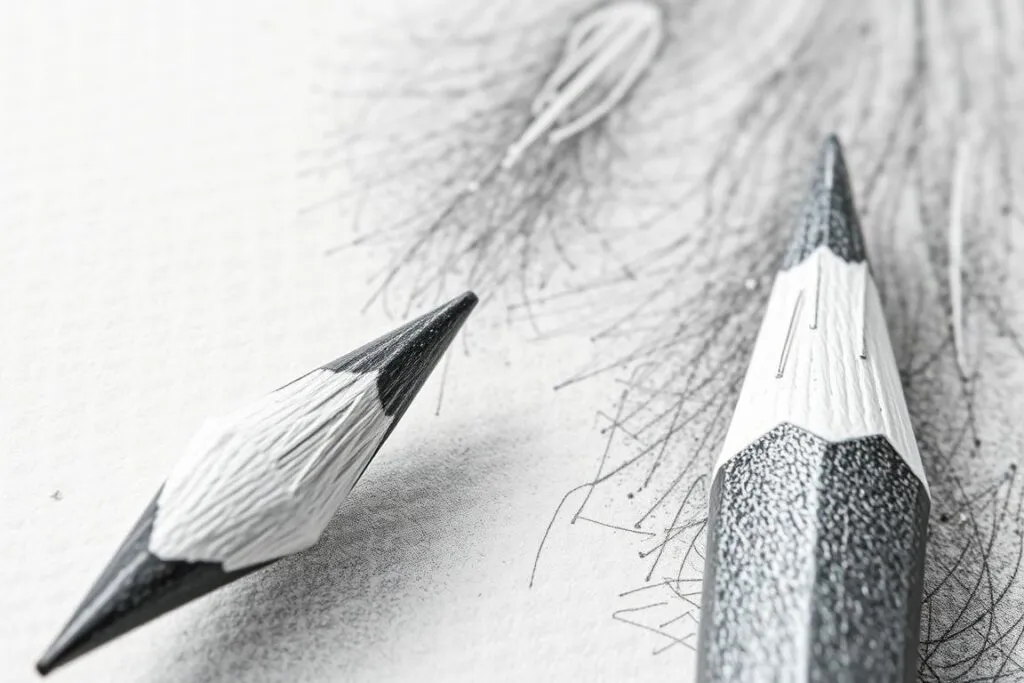
“The quality of your graphite pencils directly impacts the range of values and textures you can achieve in your artwork. Professional-grade pencils offer smoother application, better blending, and more consistent results.”
Charcoal Pencils for Bold Expressions
Charcoal Pencils contain compressed charcoal wrapped in wood, offering a darker, more matte finish than graphite. They’re perfect for creating bold, expressive strokes, deep shadows, and dramatic contrasts. Charcoal pencils are ideal for loose sketching, atmospheric drawings, and works that require rich blacks. They’re less precise than graphite but offer unmatched depth and expressiveness.
Colored Pencils for Vibrant Illustrations
Colored pencils combine pigment with a binder in a wooden casing. They allow artists to create vibrant, layered artwork with rich colors and subtle blending. Artist-grade colored pencils offer superior lightfastness, pigment quality, and blending capabilities compared to student-grade options. They’re excellent for detailed illustrations, botanical drawings, portraits, and mixed media work.
The Hardness Scale: Understanding Pencil Grades
The grading system for drawing pencils can seem confusing at first, but understanding it is essential for selecting the right tools for your artwork. The scale indicates the hardness or softness of the pencil lead, which directly affects the darkness of the mark and the texture of your drawing.
What Does H, B, and F Mean?
The pencil grading scale uses letters and numbers to indicate hardness or softness:
- H Grades (H, 2H, 3H, etc.): “H” stands for “hard.” These pencils contain more clay and less graphite, creating lighter marks. Higher numbers indicate harder leads (9H is harder than 2H).
- B Grades (B, 2B, 3B, etc.): “B” stands for “black” or “bold.” These pencils contain more graphite and less clay, creating darker marks. Higher numbers indicate softer leads (9B is softer than 2B).
- F Grade: “F” stands for “fine point.” This grade sits between H and HB, offering a fine point that maintains sharpness well.
- HB Grade: This middle-grade pencil balances hardness and blackness. It’s equivalent to the standard #2 pencil used for writing.
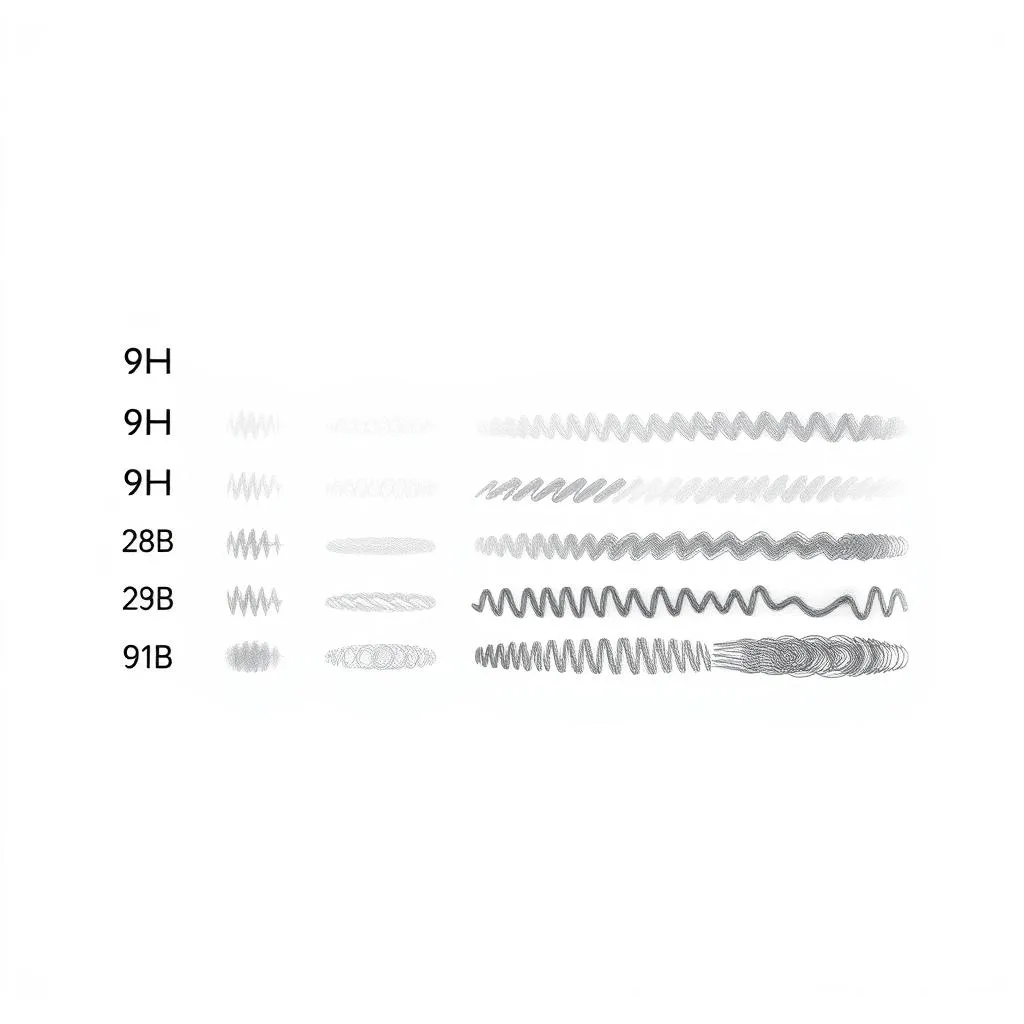
Pro Tip: There is no universal standard for pencil grades across brands. A 2B from one manufacturer might be equivalent to a 3B or B from another. It’s helpful to test different brands to find what works best for your style.
Selecting the Right Hardness for Various Techniques
Different drawing techniques benefit from specific pencil grades:
| Technique | Recommended Grades | Benefits |
| Light Sketching & Planning | 2H – 4H | Creates light marks that can be easily erased or covered |
| General Drawing | HB – 2B | Versatile range for outlines and moderate shading |
| Detailed Shading | 2B – 6B | Creates rich tones and smooth gradients |
| Deep Shadows | 7B – 9B | Produces the darkest values for dramatic contrast |
| Technical Drawing | H – 4H | Maintains sharp points for precise lines |
Sketching Pencils: The Preferred Choice
Advantages of Dedicated Sketching Pencils
While you can technically draw with any pencil, dedicated sketching pencils offer several advantages:
- Consistent Performance: Artist-grade sketching pencils provide reliable, consistent marks without unexpected variations.
- Superior Blending: Quality graphite blends more smoothly, allowing for seamless gradients and transitions.
- Better Erasability: Higher-quality graphite erases more cleanly without damaging paper.
- Reduced Breakage: Professional pencils have better lead-to-wood bonding, reducing frustrating breaks during use.
- No “Grainy” Texture: Quality pencils have finely milled graphite without the gritty texture found in cheaper options.
Recommendations for Popular Sketching Pencil Brands
Based on performance, availability in India, and value for money, here are some top recommendations:
Staedtler Mars Lumograph
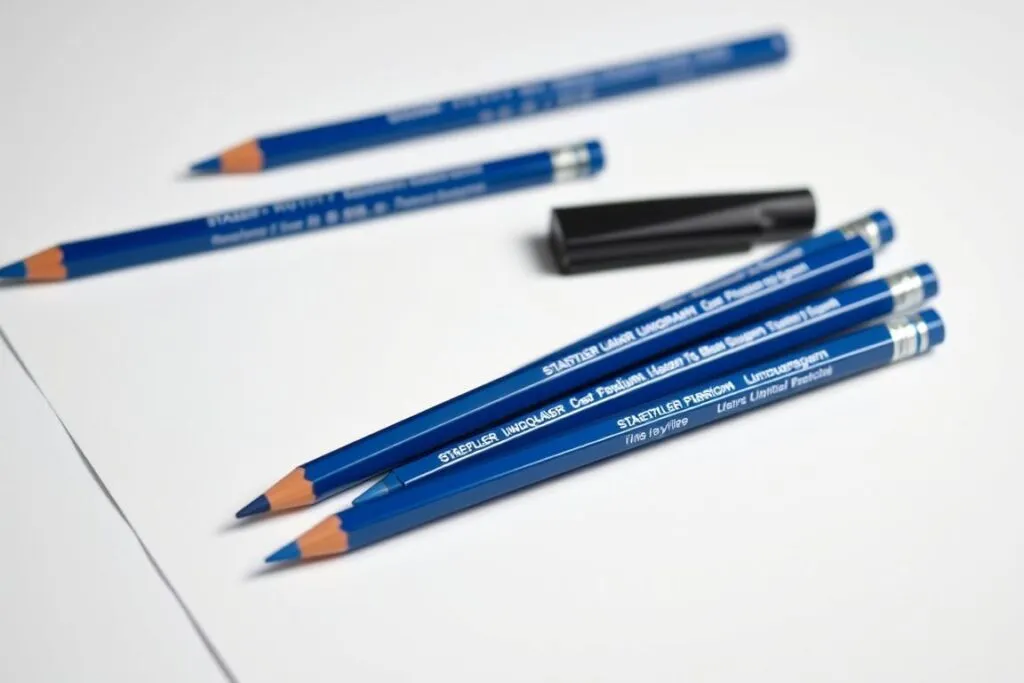
Excellent mid-tone pencils with consistent grading and smooth application. Available in sets or individually. Ideal for detailed work and technical drawing.
Faber-Castell 9000
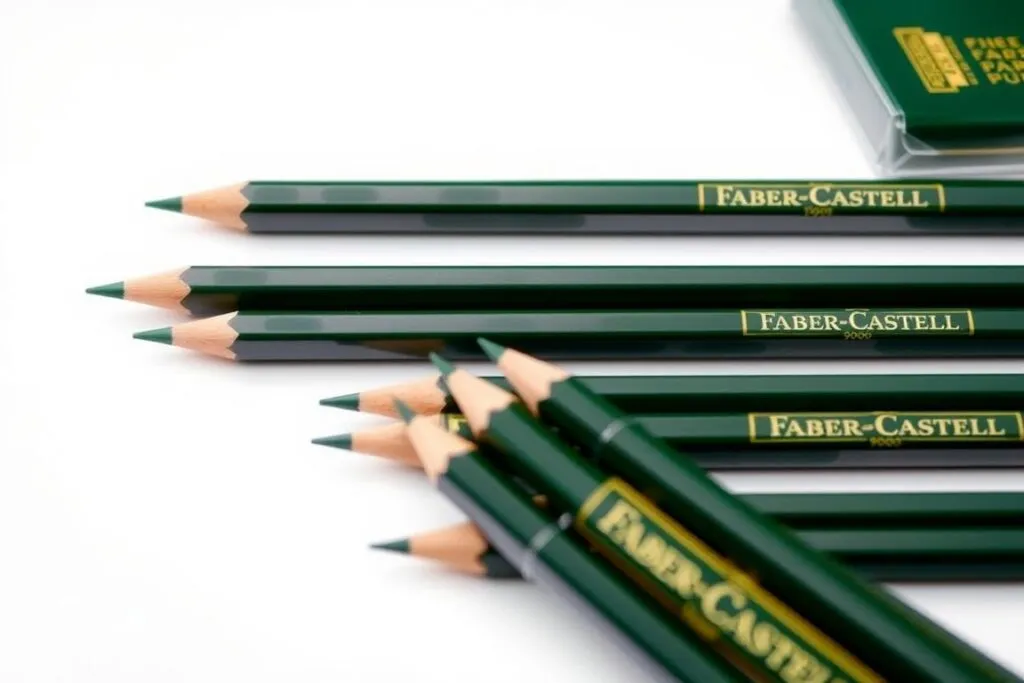
Highly reliable pencils with excellent bonding and consistent grading. Slightly lighter in tone, making them perfect for precise, detailed work.
Derwent Graphic
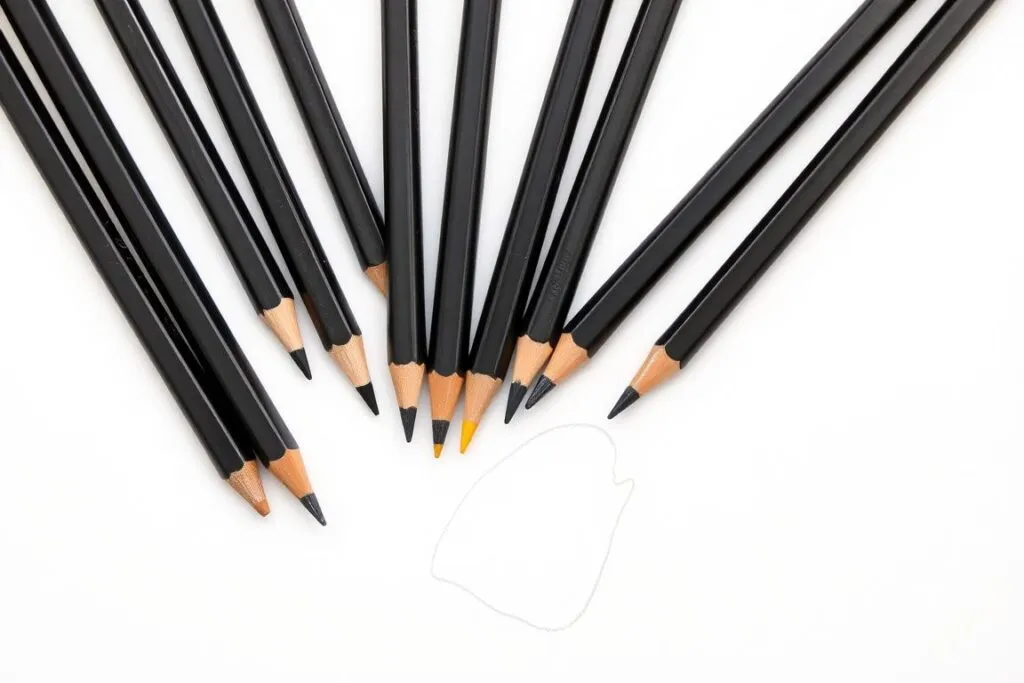
Darker tones with excellent blending capabilities. Popular for expressive drawing and shading. Widely available in India at reasonable prices.
BRUSTRO Artists
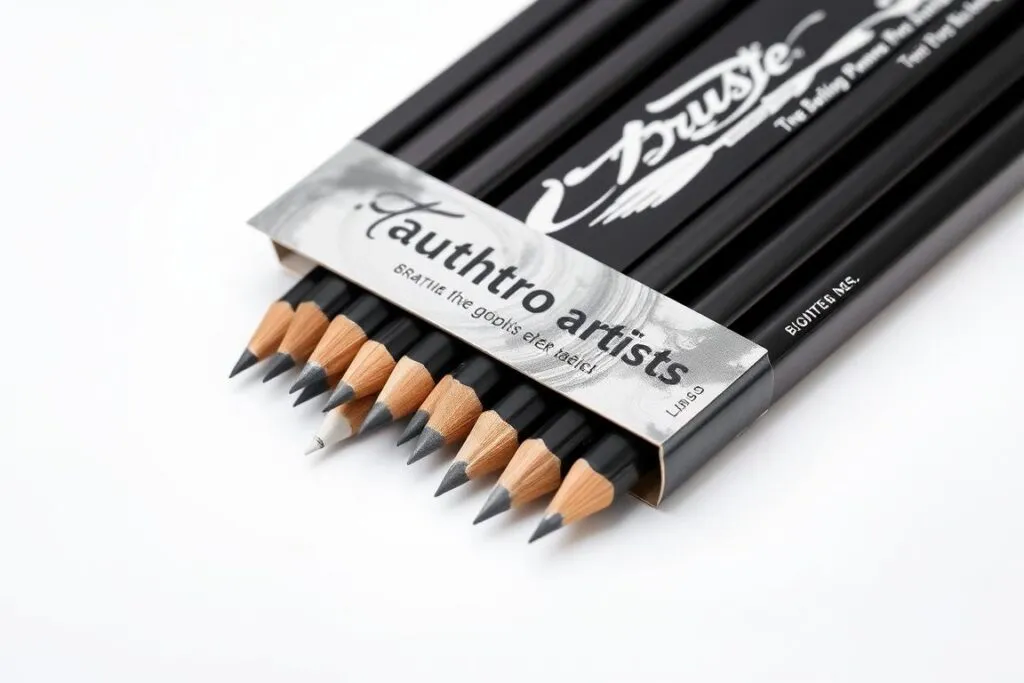
An Indian brand offering good quality at affordable prices. Great value for beginners and students. Available in various set configurations.
Tombow Mono 100
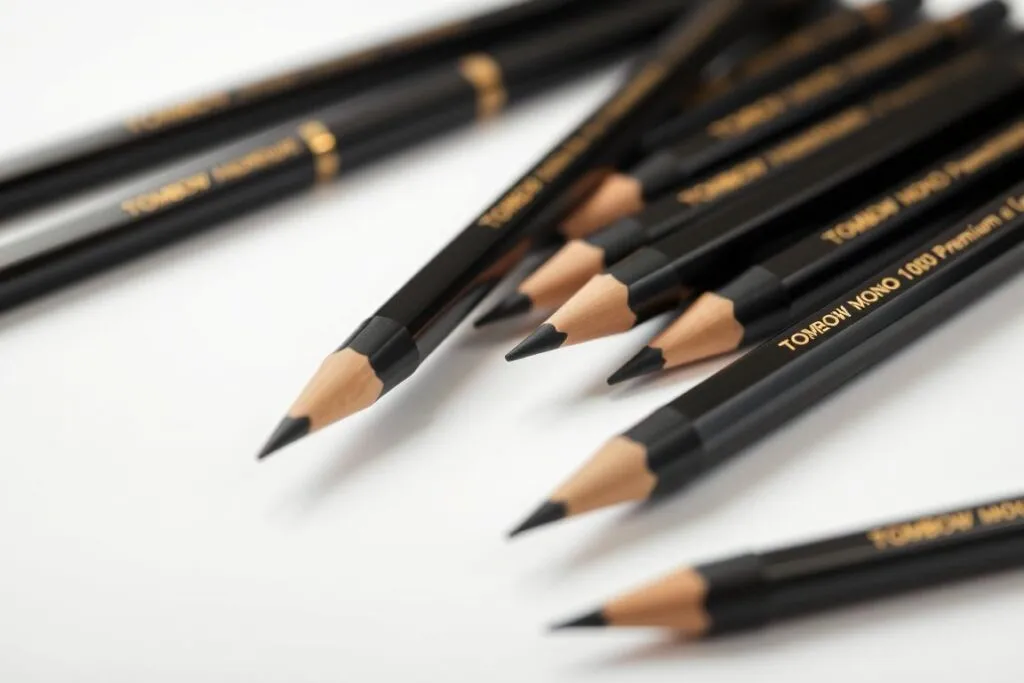
Premium Japanese pencils with exceptionally smooth application. Darker than most brands. Ideal for professional artists seeking the highest quality.
Apsara Drawing
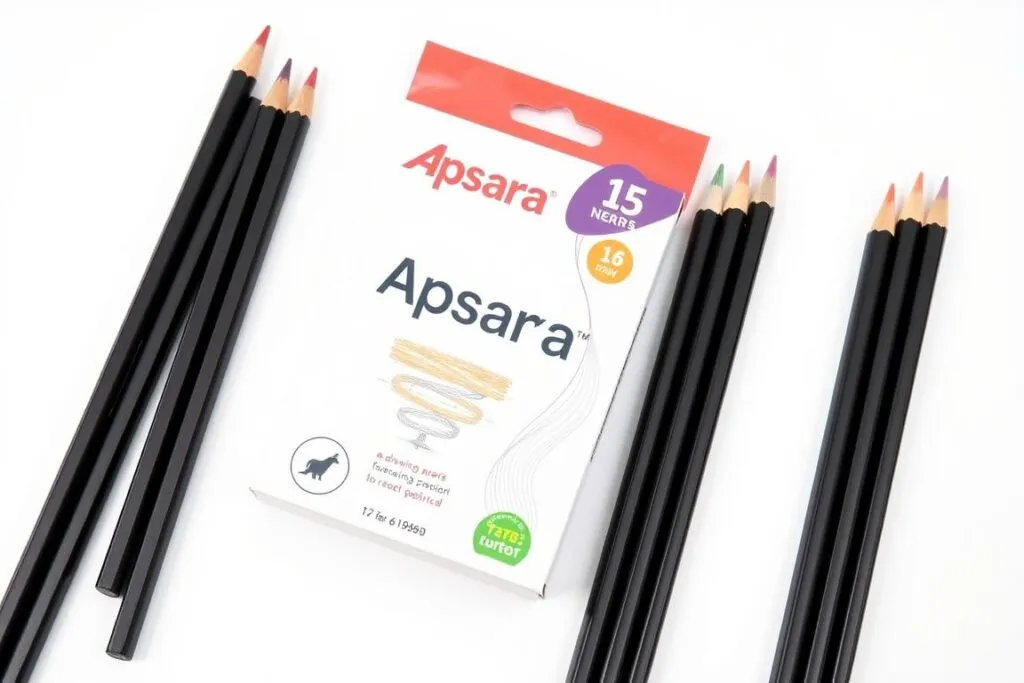
Budget-friendly option widely available across India. Good for beginners and students. Consistent performance for the price point.
Making Easy Pencil Drawings
Techniques to Simplify Your Drawings
Even with the best drawing pencils, technique matters. Here are some approaches to make pencil drawing more accessible and enjoyable:
- Start with Basic Shapes: Break down complex subjects into simple geometric forms before adding details.
- Use Guidelines: Create light structural lines with harder pencils (4H-2H) that can be easily erased later.
- Build Gradually: Work from light to dark, adding layers of graphite to build depth and dimension.
- Focus on Value Contrast: Emphasize the relationship between light and dark areas rather than trying to render every detail.
- Practice Hatching: Use parallel lines, cross-hatching, and stippling to create texture and shading instead of heavy blending.
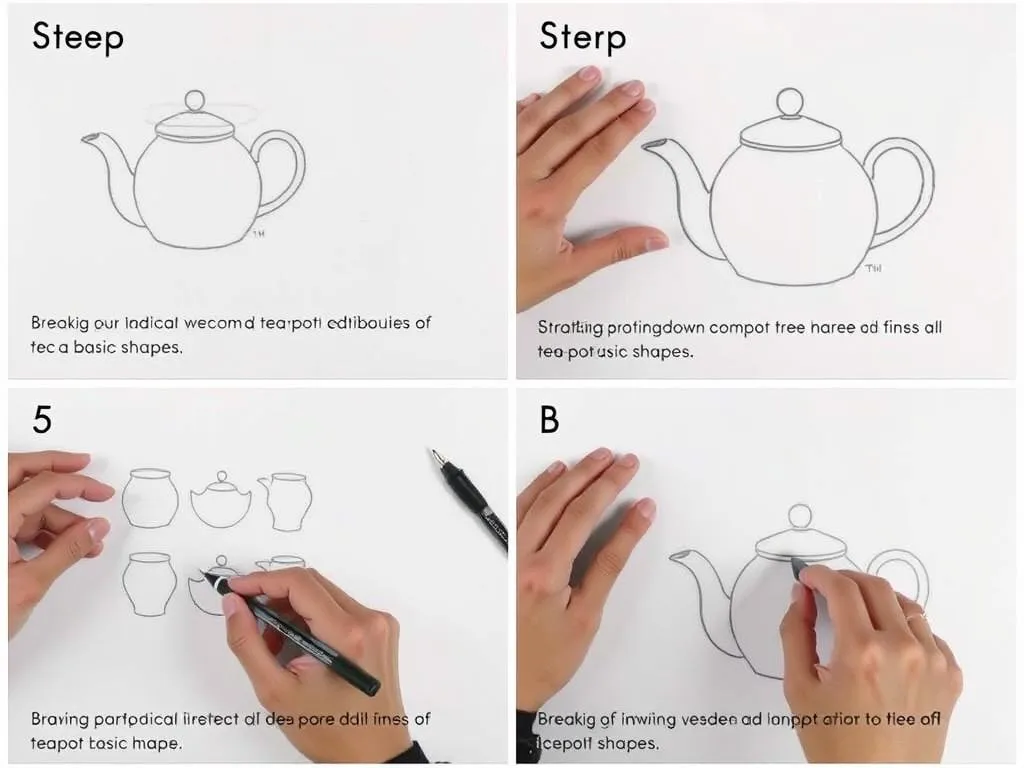
Step-by-Step Guidance on Basic Forms
Practice these fundamental forms to build your drawing skills:
Spheres
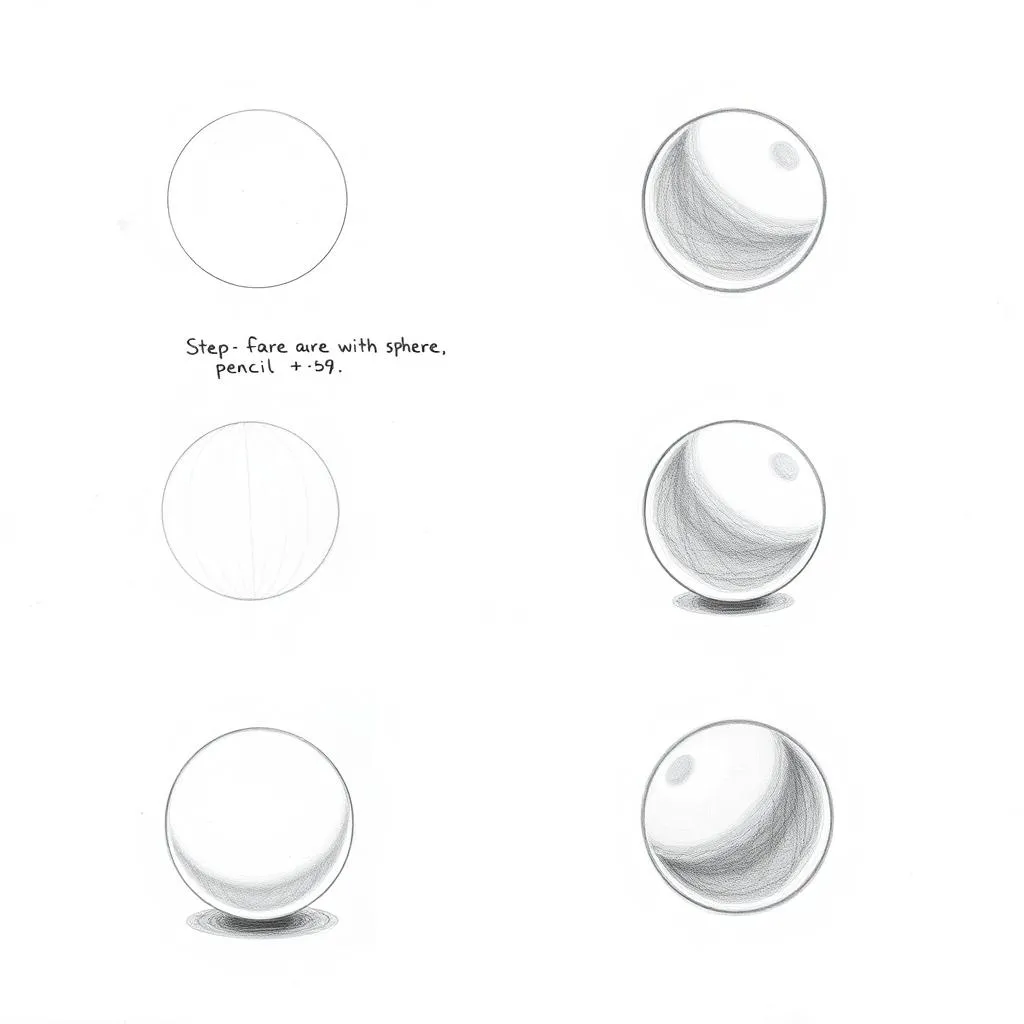
Perfect for practicing gradual shading and understanding light source. Use H pencils for initial outline, HB for mid-tones, and B pencils for shadows.
Cubes
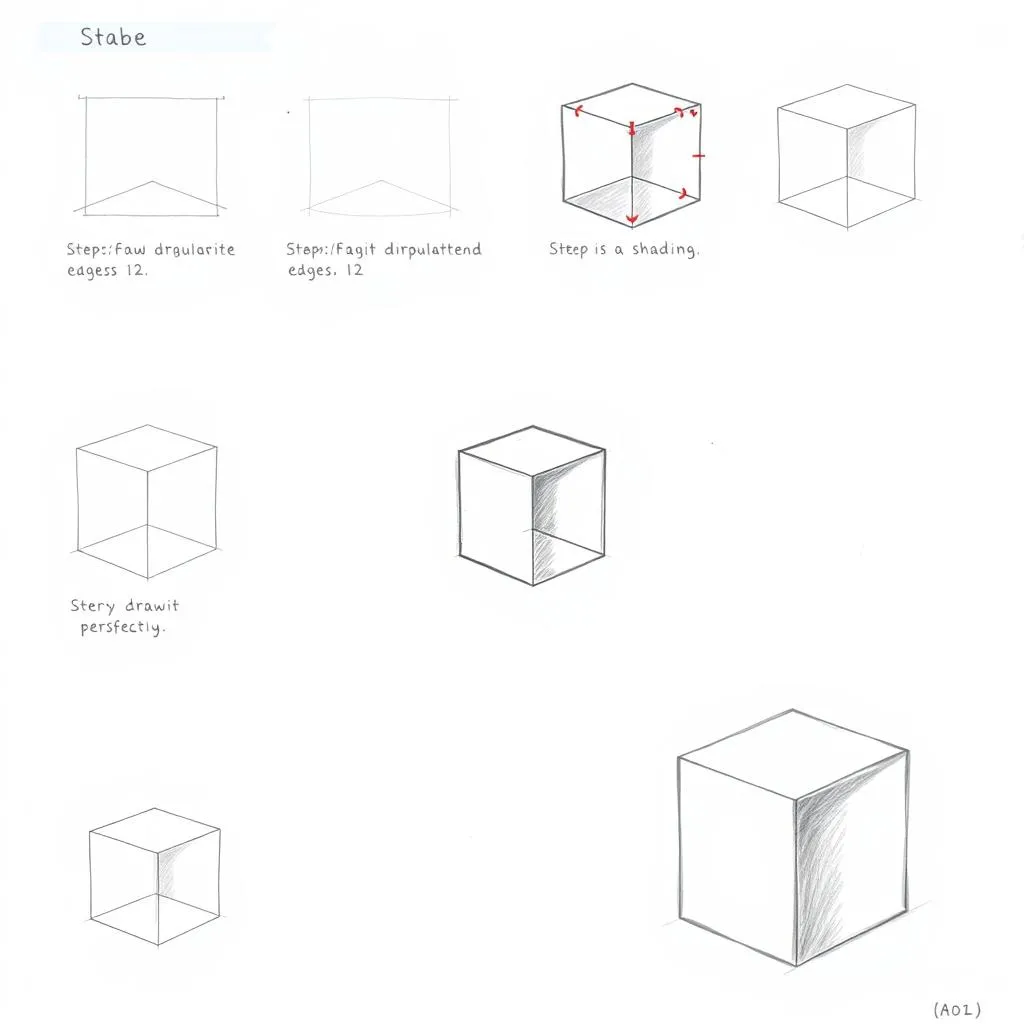
Excellent for learning perspective and planar shading. Use H pencils for construction lines and progressively softer grades for different planes.
Cylinders
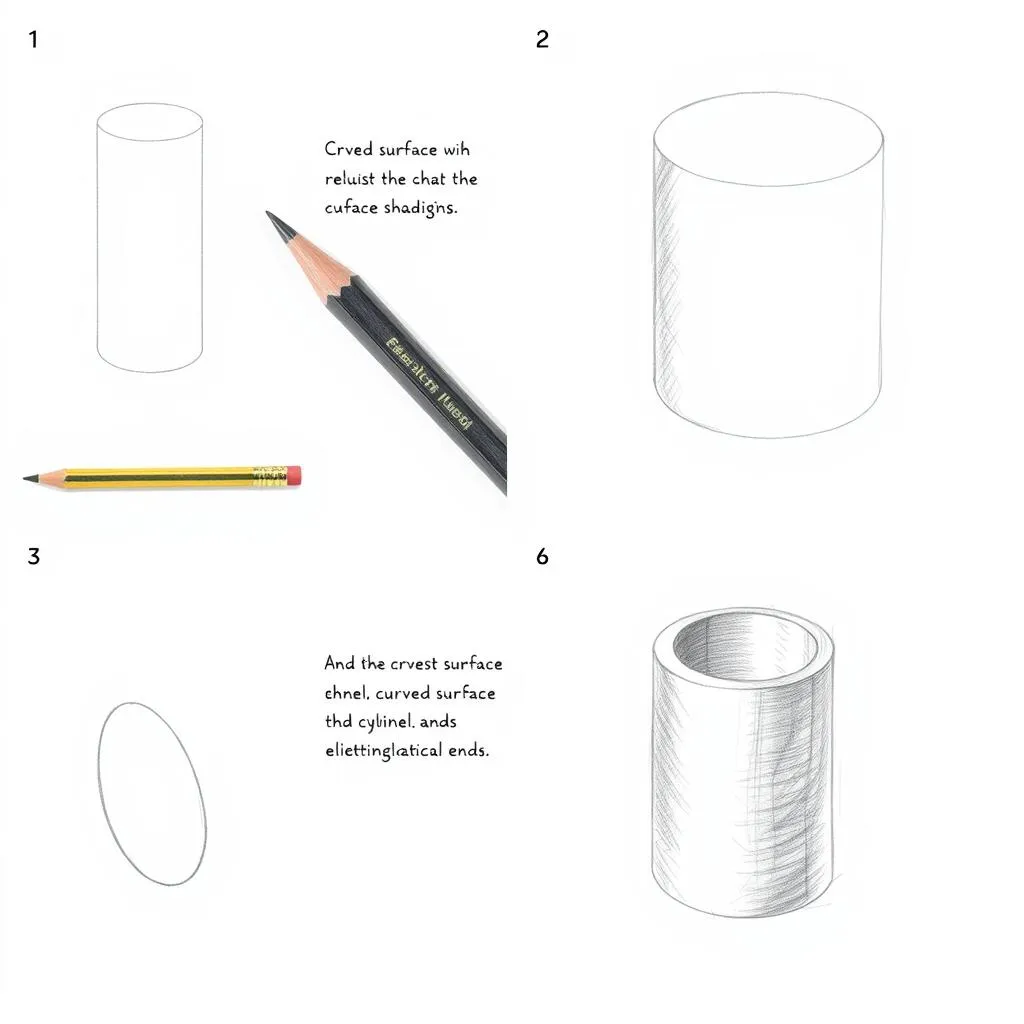
Great for understanding how light wraps around curved surfaces. Start with HB for outline and mid-tones, then use B pencils for shadow areas.
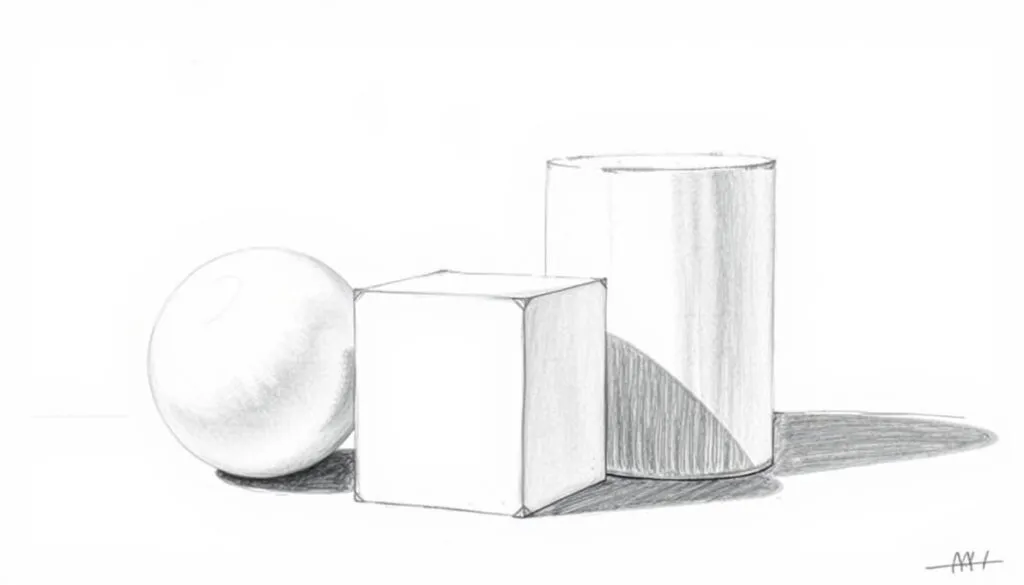
Beginner’s Exercise: Create a still life using only basic forms. Arrange simple objects like a ball, a box, and a can. Draw them focusing only on their basic shapes and shading, without worrying about details. This helps train your eye to see underlying structures.
Accessories to Enhance Your Pencil Experience
Essential Tools to Pair with Your Pencils
The right accessories can significantly improve your drawing experience and results:
Sharpeners
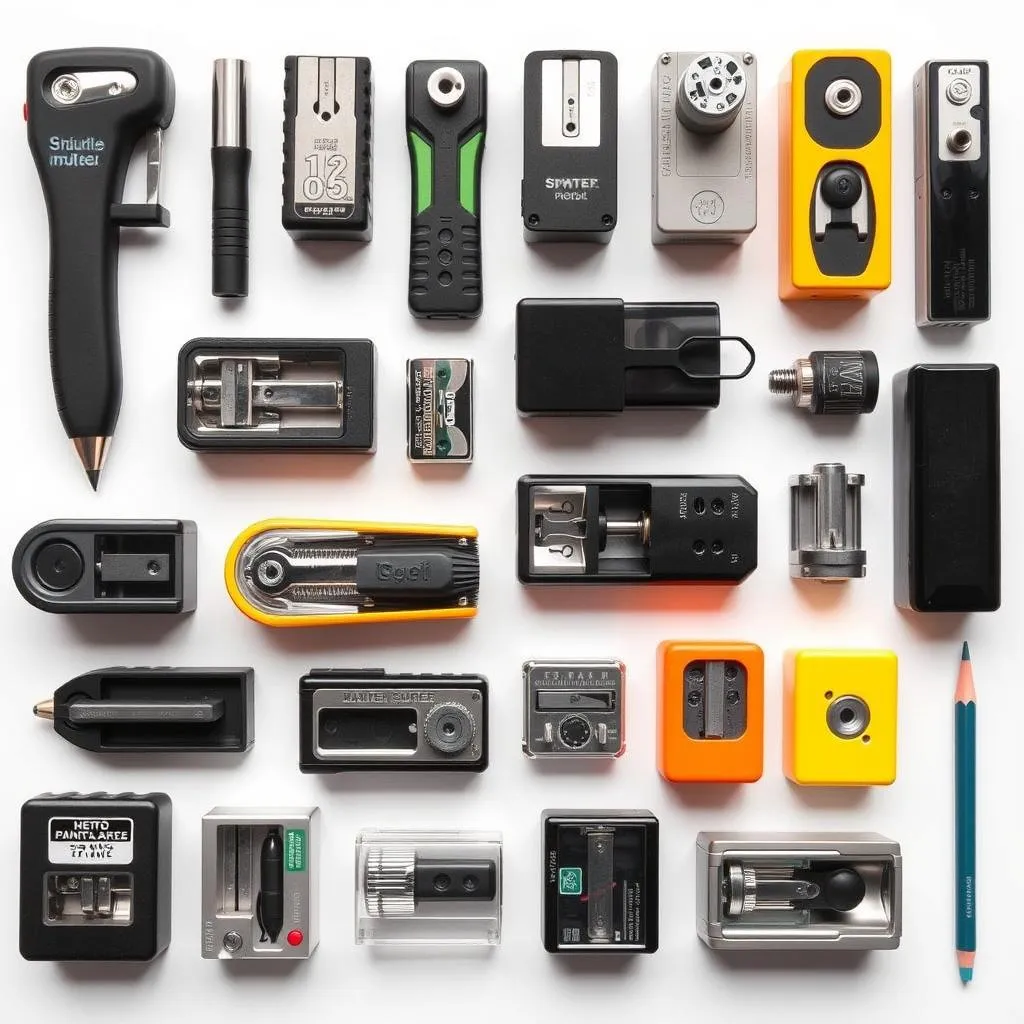
A quality sharpener maintains your pencil’s point without breaking the lead. Look for sharpeners with replaceable blades and different angle options.
Blending Tools
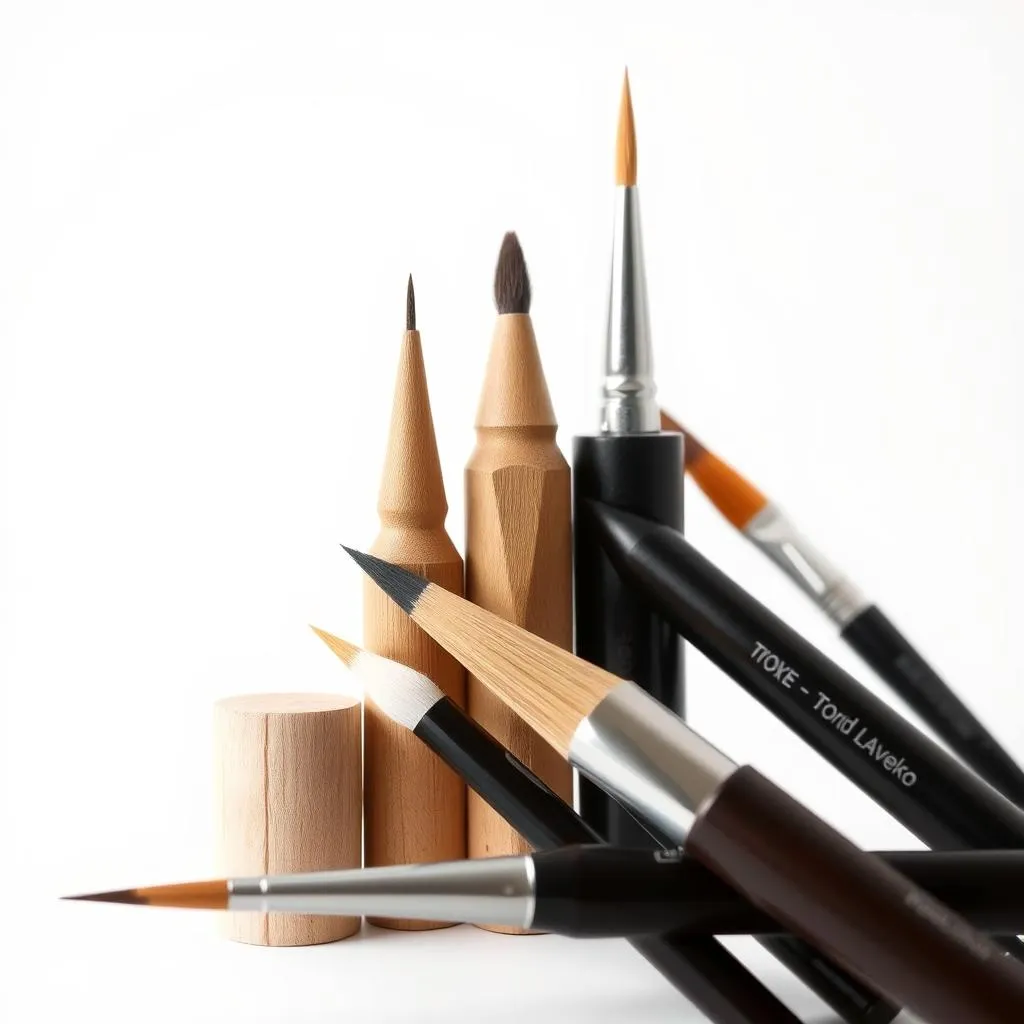
Blending stumps, tortillons, and chamois cloths help create smooth transitions and textures. They extend what’s possible with your pencils.
Drawing Paper
Quality paper with appropriate tooth (texture) makes a huge difference. Heavier weights (90-130 gsm) handle multiple layers and erasing better.
Why Quality Erasers Matter
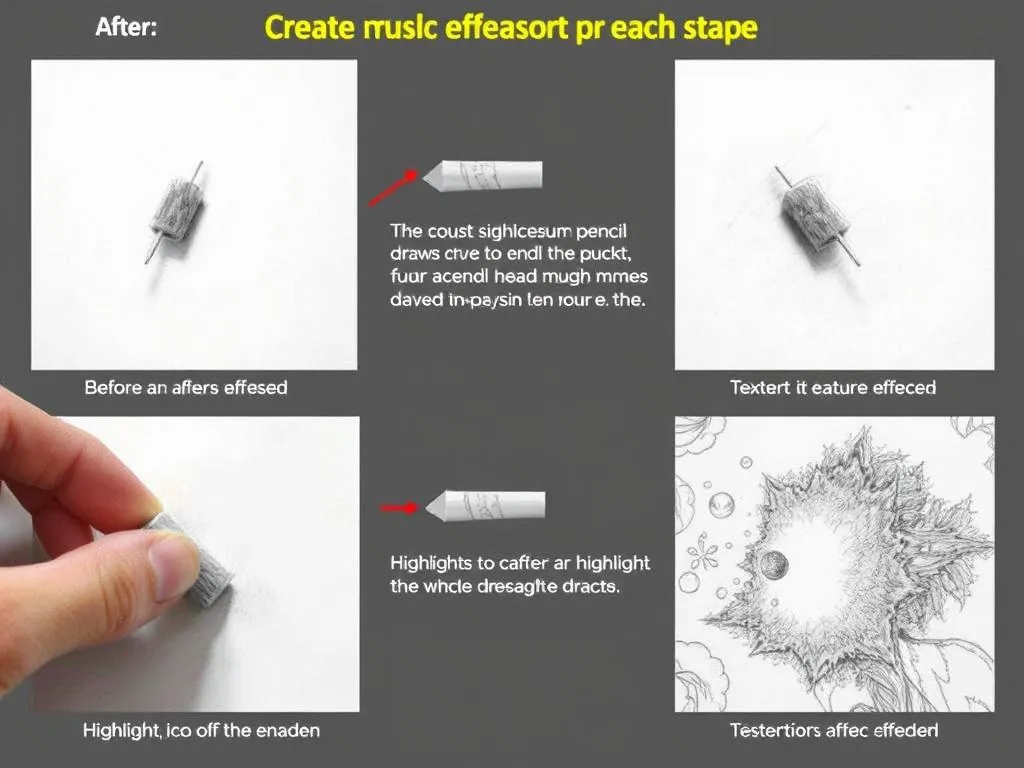
Erasers are not just for correcting mistakes—they’re active drawing tools that can create highlights and textures:
- Kneaded Erasers: Moldable putty-like erasers that can be shaped for precision erasing and creating highlights. They lift graphite without damaging paper.
- Vinyl Erasers: Clean, precise erasers that remove graphite completely. Ideal for creating sharp highlights and clean areas.
- Gum Erasers: Soft erasers that crumble as they erase, carrying away graphite particles. Good for large areas and gentle erasing.
- Electric Erasers: Battery-powered tools that provide precision and power for creating fine details and dramatic highlights.
Where to Buy the Best Drawing Pencils
Local Art Supply Stores vs. Online
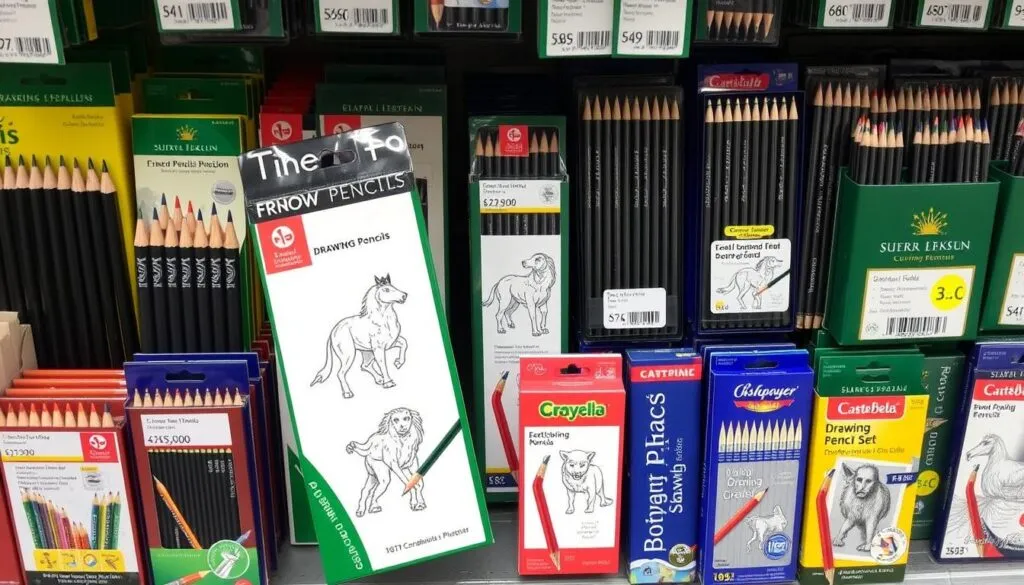
Both local and online shopping have their advantages when purchasing drawing pencils:
Local Art Supply Stores
- Ability to see and feel pencils before purchasing
- Immediate availability without shipping delays
- Expert advice from staff who often have art backgrounds
- Support for local businesses in your community
- No shipping costs or minimum order requirements
Online Retailers
- Often lower prices due to reduced overhead costs
- Wider selection of brands and grades
- Convenience of shopping from home
- Customer reviews to guide purchasing decisions
- Regular discounts and special offers
Comparing Prices and Quality Online
When shopping for drawing pencils in India, consider these popular online retailers:
| Retailer | Selection | Price Range | Delivery | Benefits |
| Amazon India | Extensive | ₹100-2,000+ | 1-7 days | Regular discounts, customer reviews, fast delivery |
| Flipkart | Good | ₹80-1,800 | 2-8 days | Competitive pricing, easy returns |
| Himalaya Fine Art | Specialized | ₹150-3,000 | 3-10 days | Specialized selection, expert advice |
| Itsy Bitsy | Moderate | ₹120-1,500 | 3-7 days | Art supply specialist, quality products |
| Anupam Stationery | Good | ₹50-1,200 | 2-6 days | Local Indian brands, affordable options |
Beware of Counterfeits: When purchasing premium brands like Faber-Castell or Staedtler online, be cautious of unusually low prices that seem too good to be true. Check seller ratings and reviews to ensure you’re getting authentic products.
Maintenance Tips for Drawing Pencils
How to Properly Sharpen Pencils
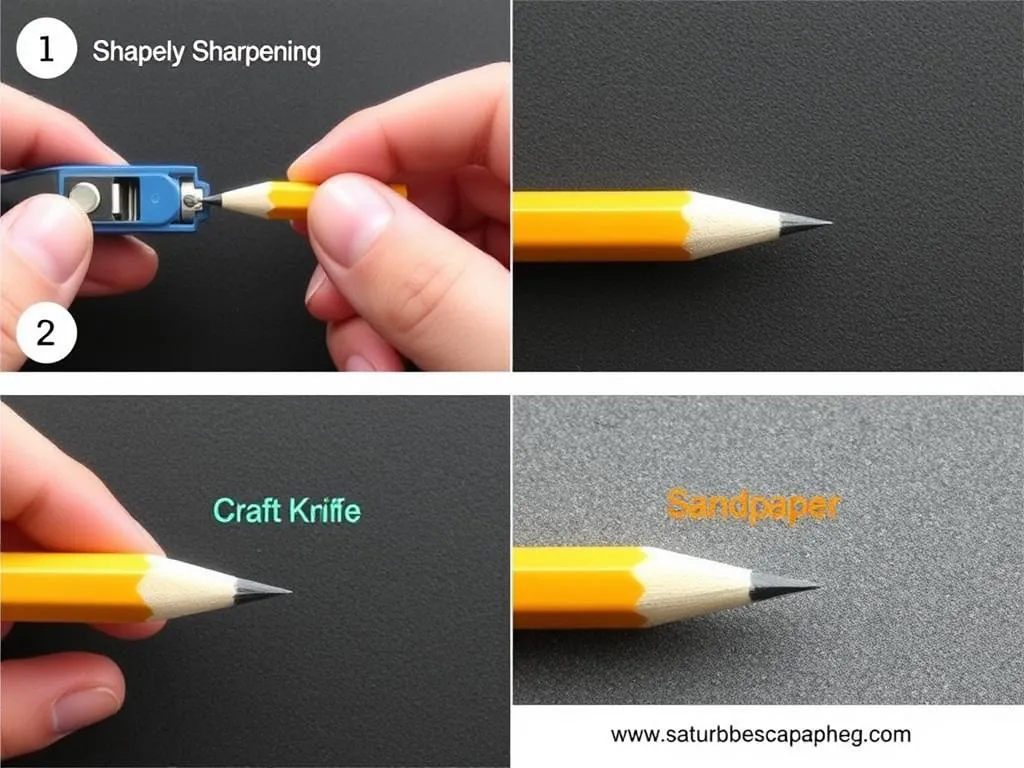
Proper sharpening extends the life of your pencils and improves your drawing experience:
- Use the Right Tools: A quality handheld sharpener, craft knife, or lead pointer will give better results than cheap sharpeners that can break leads.
- Rotate the Pencil: When using a manual sharpener, rotate the pencil rather than the sharpener for more even results.
- Sharpen Away from You: When using a craft knife, always cut away from your body and work slowly to avoid accidents.
- Consider the Point Shape: Different techniques benefit from different point shapes—long points for detail work, shorter points for shading.
- Sand for Refinement: Use fine sandpaper to refine the point after sharpening for smoother application.
Storing Pencils for Optimal Performance
Proper storage prevents damage and keeps your pencils in top condition:
Pencil Cases
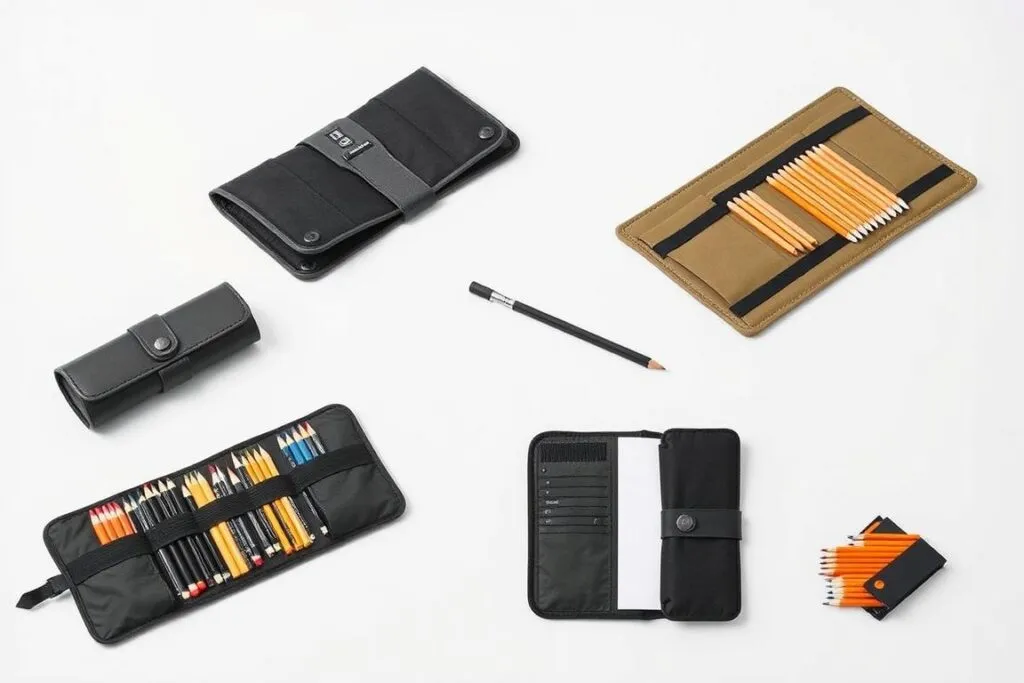
Dedicated pencil cases with individual slots prevent pencils from knocking against each other. Canvas rolls are excellent for larger collections.
Desktop Storage
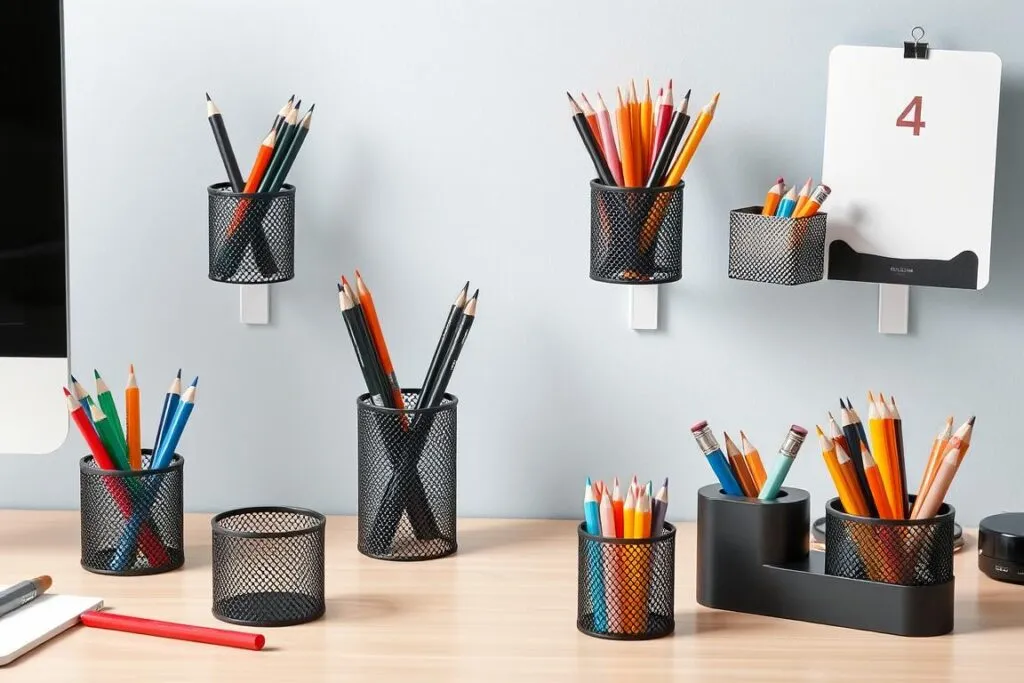
Upright holders keep frequently used pencils accessible during drawing sessions. Look for options that separate pencils by grade.
Environmental Considerations
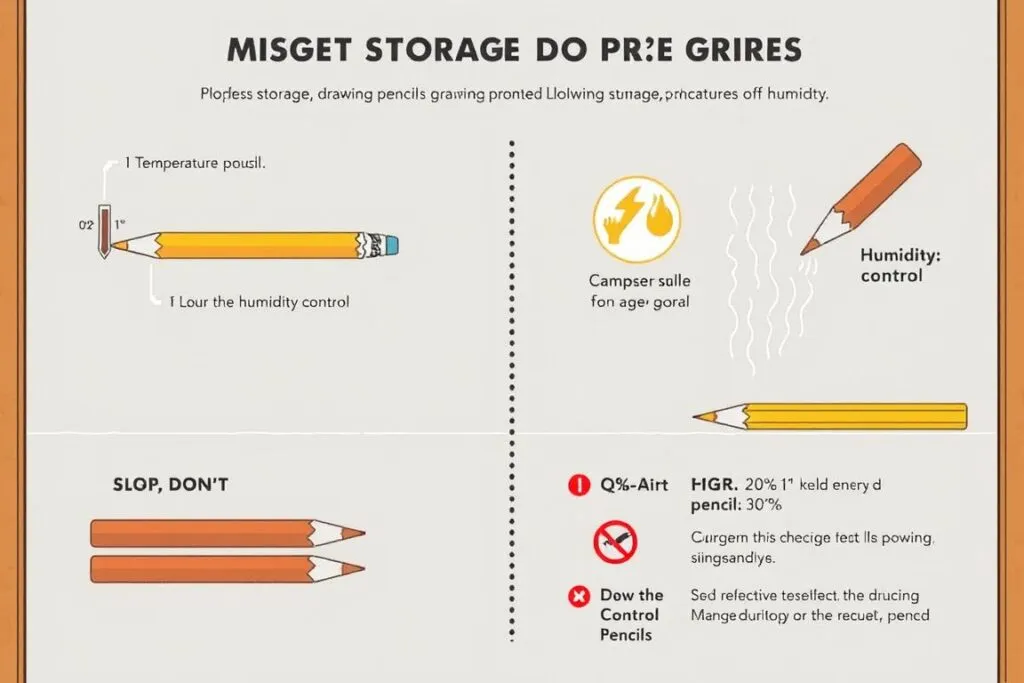
Store pencils in moderate temperatures and humidity. Extreme conditions can affect lead quality and wood casings over time.
“The way you treat your tools reflects how seriously you take your art. A well-maintained pencil not only lasts longer but performs better, allowing you to express yourself more effectively.”
Conclusion: Choosing Wisely for Artistic Success
Selecting the right drawing pencils is a personal journey that evolves as your skills and preferences develop. Quality pencils are an investment in your artistic growth—they reduce frustration, expand your expressive capabilities, and make the drawing process more enjoyable.
Remember that the “best” pencil is ultimately the one that feels right in your hand and helps you achieve your artistic vision. Don’t be afraid to experiment with different brands, grades, and types to discover what works for you. Start with a small set of essential grades, then expand your collection as you identify your preferences and needs.
Whether you’re just beginning your artistic journey or looking to refine your toolkit as an experienced artist, the right drawing pencils will be faithful companions in translating your creative vision to paper.
Frequently Asked Questions
Can I use regular pencils for drawing?
Yes, you can use regular writing pencils (typically HB grade) for drawing, especially when starting out or sketching casually. However, artist-grade drawing pencils offer significant advantages: a wider range of hardness/softness for varied line weights and shading, better quality graphite for smoother application, and superior bonding to prevent lead breakage. As you develop your skills, you’ll likely find that proper drawing pencils give you more control and expressive possibilities.
What should I look for in a pencil set?
When selecting a drawing pencil set, consider these factors:
- Grade Range: Look for a set with a good variety of grades (e.g., 4H to 6B) to cover different drawing needs
- Consistency: Pencils should perform consistently within their grade and not have “gritty” spots
- Lead Quality: Higher-quality graphite provides smoother application and better blending
- Wood Casing: Cedar or other quality wood that sharpens cleanly without splintering
- Bonding: Good bonding between the lead and wood prevents frustrating breakage
- Brand Reputation: Established brands generally maintain better quality control
For beginners, a set of 6-12 pencils covering the range from 4H to 6B is usually sufficient. As you advance, you might want to expand to include softer grades like 7B-9B for deeper blacks.
How can I improve my pencil drawing techniques?
Improving your pencil drawing techniques requires practice and attention to fundamentals:
- Practice Basic Shapes: Regularly draw spheres, cubes, cylinders, and cones to understand form and shading
- Study Light and Shadow: Observe how light affects objects and practice creating value scales
- Develop Different Strokes: Practice various mark-making techniques like hatching, cross-hatching, stippling, and circular strokes
- Draw from Observation: Regular practice drawing real objects improves your observational skills
- Learn Proper Grip: Experiment with different pencil grips for various effects (tripod grip for detail, overhand grip for shading)
- Study Other Artists: Analyze the techniques of accomplished pencil artists
- Take Breaks: Step away from your drawing periodically to view it with fresh eyes
Consider keeping a dedicated sketchbook for daily practice and technique experiments. Even 15-20 minutes of focused practice daily can lead to significant improvement over time.
