
Over 14 billion pencils are produced globally each year, yet many creators remain unsure about the best dimensions for their work. Standing before a vast stationery display can feel overwhelming. Dozens of options stretch out, each promising a different experience.
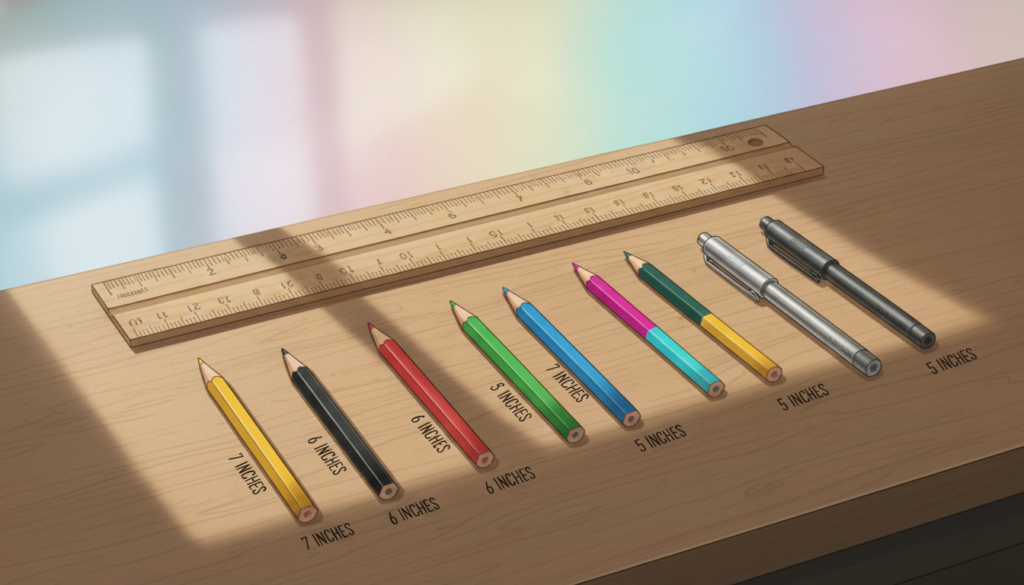
We created this guide to answer a fundamental question. Understanding a pencil’s proportions is not just about length. It’s about how these measurements influence your comfort, control, and final creative output.
This information empowers you, whether you’re sketching intricate designs, taking classroom notes, or exploring new artistic techniques. We will explore standard measurements and explain why certain sizes became industry favorites.
Our goal is to help you make an informed choice. By the end, you will confidently select the perfect tool for your needs, enhancing every stroke and word.
Key Takeaways
- Pencil dimensions significantly impact comfort and control during use.
- Standard sizes exist to meet specific creative and professional needs.
- Understanding measurements helps you choose the right tool for any task.
- The right pencil enhances both artistic expression and writing clarity.
- This guide provides the knowledge to navigate stationery choices with confidence.
Introduction to Pencil Sizes for Art and Writing
Pencil proportions play a crucial role in determining how effectively you can translate your creative vision onto paper. We believe selecting the right dimensions transforms your entire experience. The relationship between tool size and creative output deserves careful consideration.
Understanding the Importance of Size in Creativity
A pencil functions as a writing or drawing tool with a solid core wrapped in a protective barrel. Its dimensions directly influence comfort, control, and longevity. Different creative pursuits demand specific size characteristics.
Illustrators often prefer shorter, more maneuverable tools for detailed work. Architects typically choose longer instruments for extended sessions. Understanding this relationship helps build a versatile creative toolkit.
Overview of Common Pencil Uses
Common applications span from classroom note-taking to professional artwork creation. Each purpose benefits from thoughtfully selected dimensions. Students need comfortable tools for extended writing sessions.
Artists creating gallery pieces require precise control. Hobbyists enjoy therapeutic coloring with ergonomic designs. We encourage viewing size selection as a personal journey rather than a universal decision.
| Pencil Size | Ideal For | Grip Comfort | Control Level |
|---|---|---|---|
| Standard (7 inches) | General writing, sketching | High | Balanced |
| Short (5 inches) | Detail work, portability | Medium | High precision |
| Jumbo (9 inches) | Extended sessions, large gestures | Maximum | Broad strokes |
| Mini (3 inches) | Quick notes, travel kits | Limited | Basic |
How Big Are Pencils: Exploring Standard Measurements
Standard pencil lengths represent a thoughtful balance between functionality and user comfort. We find that these measurements have evolved through practical experience across generations of creative work.
Classic Pencil Sizes and Their Origins
The classic pencil size ranges from 15 to 19 centimeters (approximately 6 to 7.5 inches). This measurement wasn’t chosen arbitrarily but refined through centuries of use by artists and writers worldwide.
This optimal length ensures comfortable handling throughout the tool’s lifespan. Even after multiple sharpenings, the pencil maintains sufficient length for controlled writing and detailed drawing. The 7-inch standard represents the most common size encountered in schools and offices.
Shorter variants like the 3.5-inch pencil serve specific purposes. These compact sizes suit smaller hands or temporary use environments. For those seeking precision tools, we recommend exploring specialized options like the 0.7 mm mechanical pencil for consistent line work.
Different pencils cater to diverse needs. Drawing instruments often feature shorter dimensions than standard writing tools. Understanding these variations helps you select the perfect instrument for your creative journey.
Factors Affecting Pencil Size and Functionality
Beyond the obvious dimensions, a pencil’s true functionality emerges from the interplay between construction quality and application intensity. We find that initial measurements only tell part of the story.
The real value unfolds through consistent performance. This depends on material durability and how frequently the tool gets used.
Material Quality and Durability
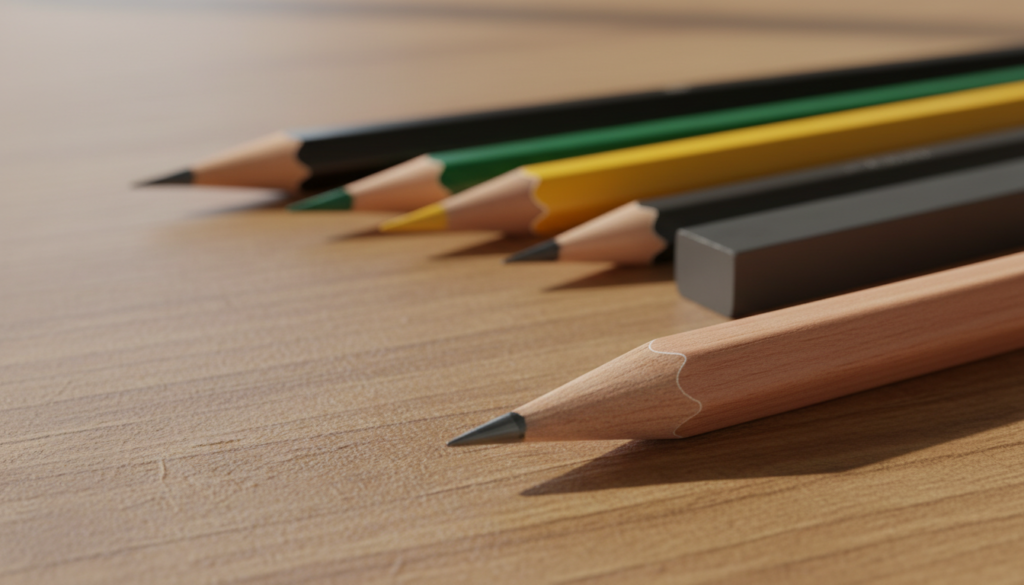
Premium cedar wood casings resist splintering during sharpening. This maintains structural integrity as the tool shortens. Properly centered graphite cores prevent breakage waste.
Lower-grade materials may crack prematurely. This effectively reduces the functional lifespan regardless of starting dimensions. Quality extends the usable period of any pencil product.
Influence of Usage Frequency
Intensive use demands longer starting sizes. Busy classrooms and art studios benefit from extended tools. This reduces replacement frequency and provides better value.
Occasional home office use suits standard measurements. Public spaces often feature shorter options for brief individual sessions. We consider usage patterns when recommending the ideal size.
“The right material choice transforms a simple writing tool into a reliable creative partner.”
| Usage Scenario | Recommended Size | Material Priority |
|---|---|---|
| Art Studio (Frequent) | Longer | High Durability |
| Classroom (Shared) | Standard | Balance Cost/Durability |
| Home Office (Occasional) | Standard/Short | Personal Preference |
| Detailed Drawing | Shorter | Precision Core |
Exploring Pencil Shapes: Round, Hexagon, and Beyond
While length measurements capture attention, the geometric form of a pencil’s barrel deserves equal consideration. We find that the cross-sectional design significantly impacts grip comfort and creative control during extended sessions.
Different barrel configurations serve distinct purposes across various creative applications. Each shape offers unique advantages that cater to specific user preferences and functional requirements.
Design Advantages of Different Shapes
The hexagonal pencil represents the most common configuration worldwide. Its flat sides prevent rolling on inclined surfaces while providing consistent finger placement points. This design enhances control during detailed writing and reduces hand fatigue.
Round barrels allow easy rotation for artists adjusting grip angles. Triangular shapes naturally guide fingers into ergonomic positions, ideal for beginners. Square configurations offer maximum stability with distinctive tactile feedback.
The typical diameter ranges from 8 to 10 millimeters, influencing comfort based on hand size. Larger hands often prefer thicker profiles, while precision work benefits from slimmer options.
| Shape Type | Primary Advantage | Ideal User | Stability Rating |
|---|---|---|---|
| Hexagonal | Anti-roll, consistent grip | Students, writers | High |
| Round | Easy rotation, versatility | Artists, sketchers | Low |
| Triangular | Ergonomic guidance | Children, beginners | Medium |
| Square | Maximum stability | Technical users | Very High |
We encourage testing different configurations to discover your personal preference. The right barrel shape can transform your creative experience, making each session more comfortable and productive.
Technical Specifications: Lead, Diameter, and Length Details
Technical specifications like lead diameter and barrel size may seem minor, but they profoundly impact your creative experience. We believe understanding these measurements helps you select tools that match your specific needs perfectly.
Optimal Lead Sizes for Writing and Drawing
Graphite lead cores typically measure 2-3mm, with 2.5mm representing the ideal size for clear writing. This thickness resists breakage while producing lasting marks on paper.
Colored pencil cores are thicker at 4mm, containing richer pigment for vibrant drawing and smooth sketching. For precision work, mechanical pencil lead sizes offer remarkable control.
Comfort and Grip: The Role of Diameter
The barrel diameter, usually 8-10mm, significantly affects handling comfort. Proper dimensions reduce hand fatigue during extended sessions.
Different lead thicknesses serve distinct purposes. Fine sizes excel in detailed work, while thicker options support expressive sketching.
| Lead Size | Primary Use | Control Level | Ideal For |
|---|---|---|---|
| 0.3mm | Technical drawing | Maximum precision | Architectural plans |
| 0.5mm | Writing & drawing | Balanced control | Everyday use |
| 0.7mm | General writing | Comfortable | Note-taking |
| 2.0mm | Artistic shading | Expressive | Sketching techniques |
We encourage exploring different lead sizes for mechanical pencils to discover your perfect match. Each specification serves unique creative purposes.
Customization and Branding Options for Pencils
Customization transforms ordinary writing instruments into memorable extensions of your organization’s visual identity and messaging. We see these tools as powerful brand ambassadors that create lasting impressions.
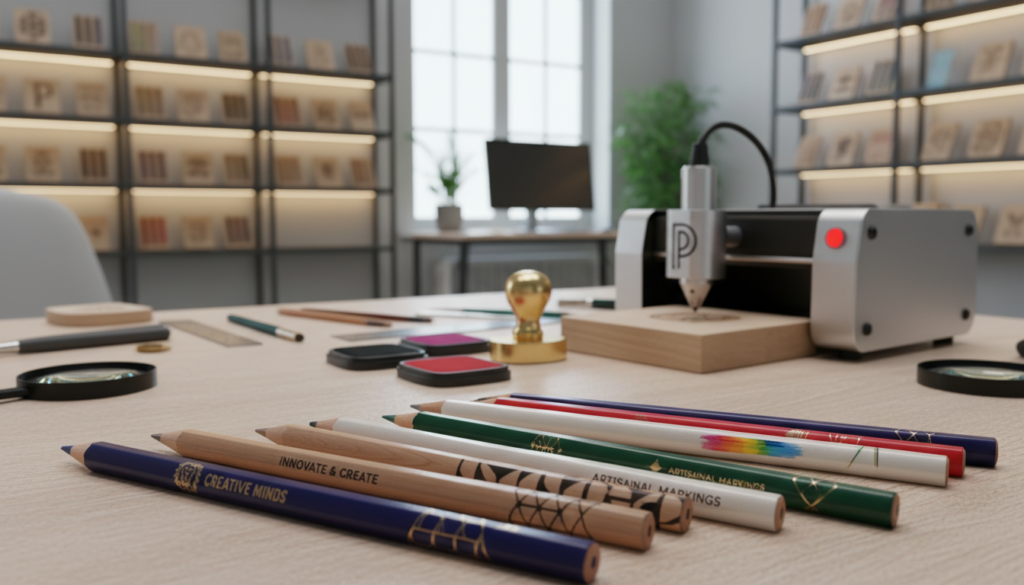
Modern manufacturing offers sophisticated printing capabilities for logos, slogans, and brand names. The available space depends on the instrument’s dimensions.
Printing Logos and Slogans for Brand Identity
A 3.5-inch version accommodates 6-13 letters or 7-9 Chinese characters for maximum clarity. The larger 7.5-inch size provides space for 8-18 letters or 10-14 characters. We recommend keeping text within 5 cm for optimal visual impact.
Brand identity extends beyond simple logo placement. Consider color coordination between the barrel, printed text, and packaging box. This creates a cohesive design that reinforces your organization’s visual presence.
The number of customization options has expanded dramatically. Manufacturers now offer varied barrel colors, metallic finishes, and foil stamping. These techniques transform basic tools into premium brand statements.
Custom-printed instruments become effective marketing tools at conferences and corporate events. They’re practical gifts that recipients actually use, keeping your brand name literally in hand during important creative moments.
Choosing Pencils for Different User Demographics
Matching pencil specifications to specific user groups transforms ordinary stationery into personalized tools for achievement. We believe the right selection process considers both physical comfort and psychological confidence.
Options for Children, Students, and Professionals
Young children in early grades benefit from shorter 3.5-inch pencils. Their developing hands gain better control with appropriately sized tools. This compact size feels less intimidating while building foundational skills.
Middle-grade students typically use standard 7.5-inch instruments. These longer pencils support extended writing sessions and complex assignments. The transition represents an important developmental milestone.
Adult professionals require varied pencil types based on their field. Architects prefer longer instruments for drafting, while hospitality settings use elegant branded options. Each profession has unique stationery needs.
Guidelines for Tailoring Pencil Types to Specific Needs
We recommend considering hand strength, task duration, and environmental factors. Different sizes serve distinct purposes across age groups.
For young children, prioritize grip comfort and durability. Middle-school students need balanced control for academic work. Professionals should match their pencil type to specific industry requirements.
The right selection directly impacts user success and creative expression. Thoughtful choices make every writing experience more comfortable and productive.
Pencil Manufacturing in India: Product Range and Order Capabilities
India’s stationery manufacturing sector has emerged as a global force, with companies like Saraju Agriways Exports demonstrating world-class production capabilities. We see Indian manufacturers offering comprehensive solutions that extend beyond basic production.
Production Quality and Certification Standards
Saraju Agriways Exports, established in 1999, maintains ISO 9001:2015 certification. This international standard ensures consistent quality across their diverse product range. The company produces under the Orion brand name.
Their manufacturing process covers various stationery items. This includes color pencils, ball pens, and sketch pens. Each product undergoes rigorous quality checks.
| Product Category | Available Sizes | Material Options | Packaging Types |
|---|---|---|---|
| Color Pencils | 3.5-inch to 7.5-inch | Plastic, Wood | Individual box, Bulk sets |
| Ball Point Pens | 0.6mm/0.7mm/1mm NSTC | Plastic, Metal | Single, Multi-pack box |
| Sketch Pens | Various tip sizes | Plastic barrel | Sets with sharpener |
| Gel Pens | Standard writing sizes | Plastic, Ergonomic | Color-coded box |
Available Orders and Delivery Options
The company handles substantial order volumes with 1.5 million unit daily capacity. Delivery timelines average just 7 days from Kolkata FOB port. They serve markets across six continents.
“Quality certification transforms manufacturing into a reliable partnership for global clients.”
Free samples help clients evaluate products before large orders. Customization options include logo printing and special color requests. This manufacturer provides complete stationery solutions.
Conclusion
Every creative task deserves a pencil that feels like an extension of your hand rather than just a writing instrument. We’ve explored how dimensions, materials, and shapes work together to enhance your experience. This knowledge transforms simple selection into an informed creative decision.
The right tool makes all the difference for any project. Whether you need precision for detailed sketching or comfort for extended writing sessions, understanding specifications helps you choose wisely. Even small details like barrel shape and core diameter impact your control and output quality.
We encourage you to build a diverse collection that serves different purposes. Experiment with various options to discover what works best for your unique style. For vibrant artistic expression, consider exploring our comprehensive colored pencils collection with 48 rich shades.
Your creative journey deserves the perfect tools. Armed with this information, you can confidently select pencils that elevate every stroke and word. The right choice transforms ordinary tasks into extraordinary creative moments.
FAQ
What is the standard length of a typical wooden pencil?
How does the diameter of a pencil affect its use for writing and drawing?
Are colored pencils the same size as graphite pencils?
Why do pencil shapes vary, such as hexagonal versus round?
What should I consider when ordering custom-branded pencils for my company?
How do I choose the right pencil size for children or students?
What is the typical lead diameter inside a standard #2 pencil?
Do pencil sizes differ by brand or manufacturer?
