
Sketching on textured paper can feel like fighting a stubborn dog , the lead slides, the paper grabs, and the lines get stuck. Yet the right pencil makes that rough surface behave like a smooth road. In this guide you’ll walk through four practical steps that turn guesswork into confidence.
We’ll look at how to read the paper’s tooth, pick the perfect hardness range, test grip, and keep your sketching kit in top shape. By the end you’ll have a repeatable process you can use on any sketch pad, whether you’re drawing cityscapes, portraits, or quick studies.
According to Wikipedia’s overview of graphite, the material’s crystal structure gives it both softness and strength, which is why pencil grades span from hard 9H to soft 9B. Understanding that spectrum is key when you pair a lead with a gritty sheet.
Step 1: Assess the Paper Texture
First, feel the paper. Run a fingertip over the surface; note whether the tooth is fine, medium, or heavy. A fine tooth feels like soft sandpaper , it will hold light lines but may struggle with thick strokes. Medium tooth (think Canson Mi‑Teintes’s “soft side”) gives you a balance: enough grip for dark lines yet still lets you blend. Heavy tooth (like PastelMat’s grit) will catch the lead, creating a broken line that can add character but may require more pressure.
Next, test absorbency. Take a scrap of the same paper and press a hard 4H lead lightly. If the mark is faint and the lead stays sharp, the paper is low‑absorb. If the mark is dark and the lead dulls quickly, the paper is high‑absorb and will demand softer leads for smooth shading.
When you know the tooth, match it to a pencil grade. Rougher paper benefits from harder leads (2H‑4H) that can cut through the texture without breaking. Smoother paper welcomes softer leads (2B‑6B) that glide and blend.
Why does this matter? A mismatched pair leads to broken tips, uneven lines, and wasted time. Artists often spend hours re‑sharpening or switching pencils mid‑sketch. By starting with a quick texture assessment you cut that friction out of the workflow.
Practical tip: keep a small “texture test” booklet with three paper samples (fine, medium, heavy). Flip through them before each session to remind yourself of the right hardness.
Bottom line:Knowing the paper’s tooth guides you to the right pencil hardness, saving effort and improving line quality.
Step 2: Choose the Right Pencil Hardness
Now that you’ve read the paper, it’s time to pick a lead. Graphite pencils are graded on a scale that runs from hard (H) to soft (B). Hard leads (H, 2H, 4H…) are bright, fine, and great for crisp outlines. Soft leads (B, 2B, 4B…) are dark, thick, and perfect for shading. The sweet spot for textured paper often lies in the middle , around HB to 2B , because they give you enough darkness without overwhelming the tooth.
The Drawing Pencils Guru offers a full 9H‑9B range, which is rare. This breadth means you can grab a 9H for ultra‑fine architectural lines on a heavy‑tooth sketchpad, then switch to a 6B for deep shadows on the same sheet. Most brands stop at 2H‑8B, limiting flexibility.
One product in the market does claim a texture‑specific advantage: Uni’s nano‑diamond Smudge‑Proof lead. It mixes tiny diamond particles into the graphite, which the brand says improves adhesion on rough surfaces. While it’s the only pencil that explicitly markets for textured paper, the broader range from Drawing Pencils Guru can achieve similar results by simply choosing the right grade.
Don’t forget ergonomics. A well‑balanced wood casing prevents the lead from wobbling, which is especially important on textured surfaces where the paper can tug at the tip. Drawing Pencils Guru’s reinforced casings keep the point steady, reducing breakage.
When you buy, consider building a small core set: 2H, HB, 2B, 4B, and a specialty like Uni’s nano‑diamond. This mix covers most scenarios without cluttering your kit.
Best pencils for sketching on rough paper often feature a broad hardness range and sturdy wood, both of which the Guru’s line provides.
Bottom line:Choose a hardness that matches the paper tooth, and keep a small range on hand for flexibility.
Step 3: Test Grip and Application
Even with the right paper and hardness, the way you hold the pencil matters. Grip affects pressure, line stability, and fatigue. For textured paper, a relaxed grip lets the lead glide over the tooth without digging in.
Try three grip styles on a test strip: the classic tripod (thumb‑index‑middle), the over‑hand (holding like a paintbrush), and the loose‑fingers style (only the thumb and index). Notice which gives you the smoothest line on the rough surface. Many artists find the over‑hand grip reduces tip breakage on gritty pas the lead.
Next, experiment with pressure. Press lightly with a hard lead , you should see a faint line that still adheres. Then press harder with a soft lead , the line should be dark but not crack the paper fibers. Record which combination feels most natural.Here’s a quick video that demonstrates grip variations and pressure control on textured sketch pads:
After you’ve settled on a grip, practice a short stroke exercise: draw a series of parallel lines, each with increasing pressure. The lines should stay evenly spaced and not feather. If they start to splinter, your grip may be too tight or the lead too soft for that paper.
“The best grip is the one that lets the pencil follow your hand, not the other way around.”
Remember that the drawing surface can change over time. A fresh pad may feel smoother than a worn‑out one, so re‑test grip when you switch to a new sketchbook.
Finally, note any comfort issues. If you feel strain after a few minutes, consider a pencil with an ergonomic barrel or a lighter wood. The goal is a fluid motion that lets the lead do the work.
Bottom line:A relaxed grip and calibrated pressure keep the lead from catching on texture, giving smoother strokes.
Step 4: Finalize and Maintain Your Sketching Set
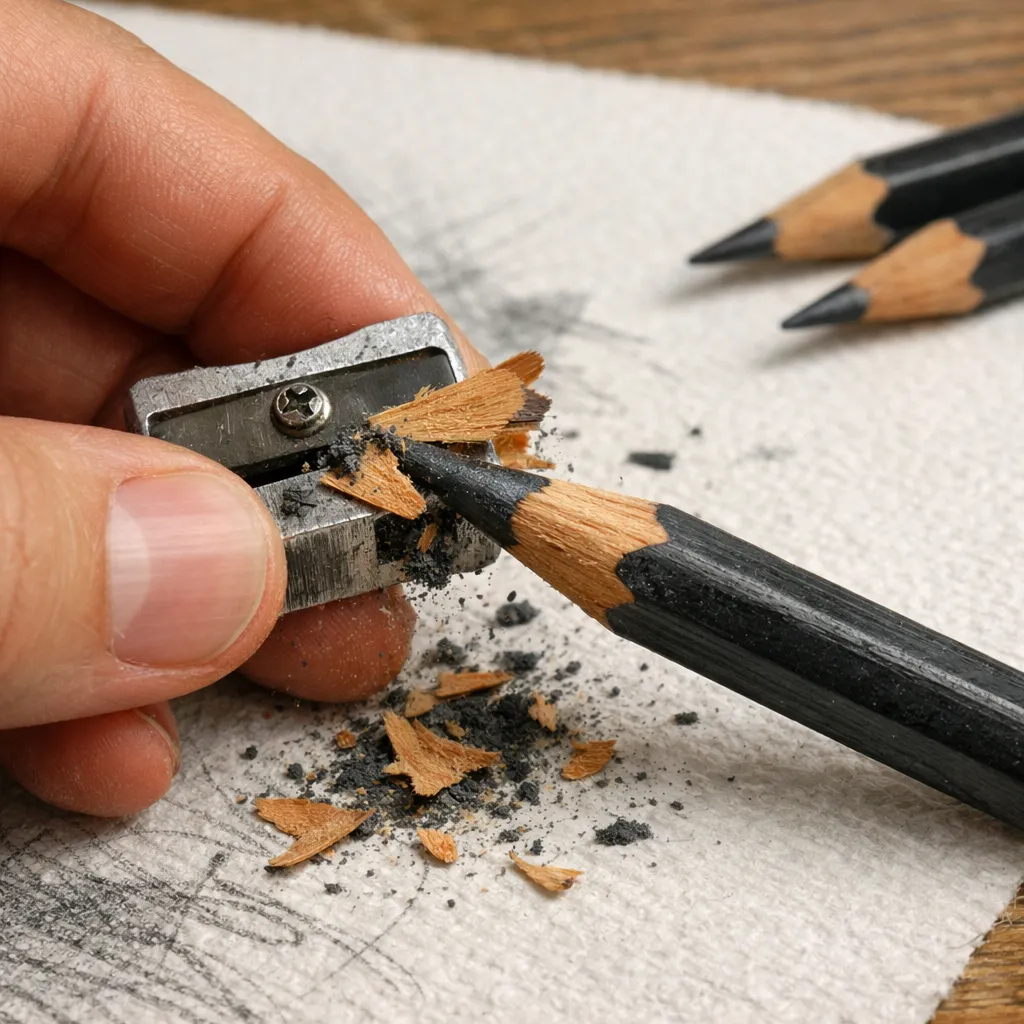
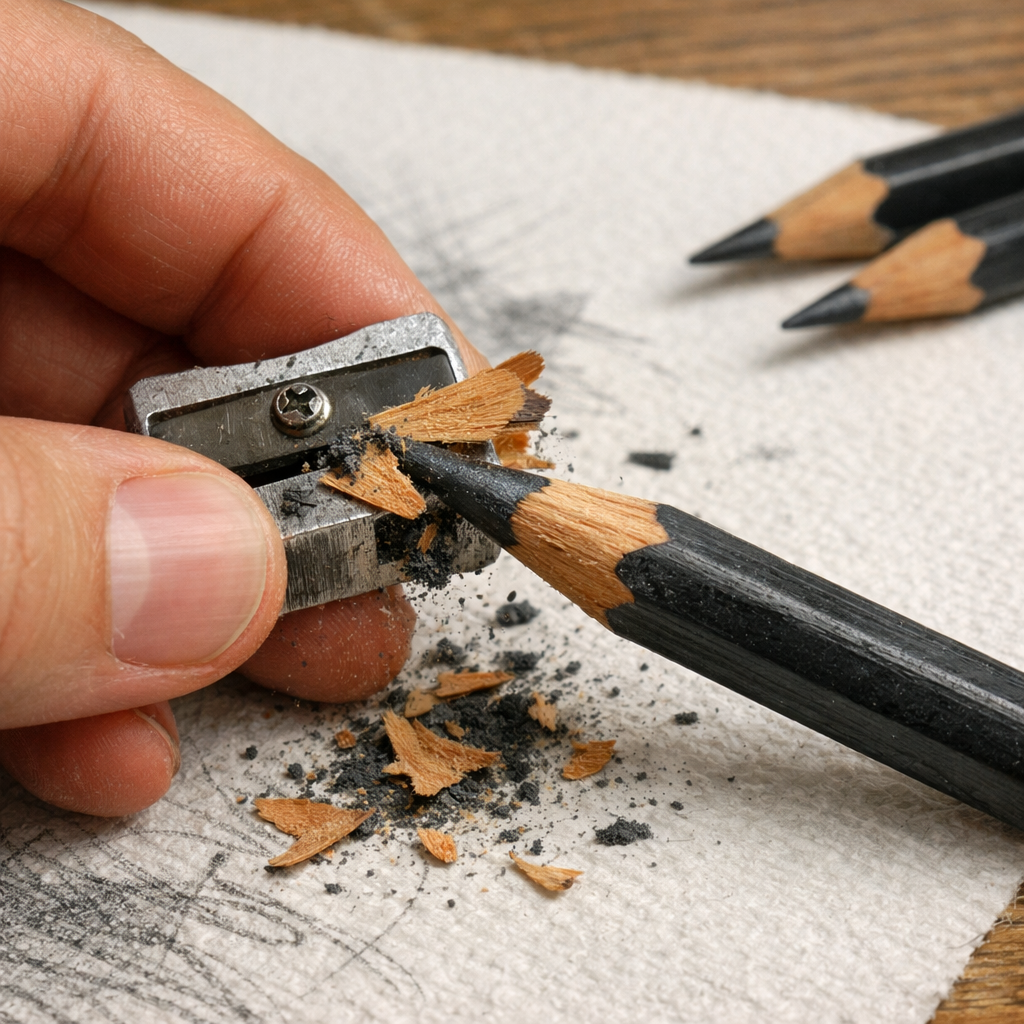
Now you have paper, hardness, and grip sorted. The last piece is caring for your tools so they stay reliable. Start by sharpening with a high‑quality mechanical sharpener that offers a fine 0.5 mm setting. A consistent point length (about 5 mm) prevents the lead from wobbling on rough surfaces.
When a lead breaks, don’t discard the pencil. Use a small sandpaper block to gently smooth the broken tip; this can restore a usable point for a few more strokes. For softer leads that tend to smear, keep a clean tissue nearby and blot gently , this removes excess graphite that could cling to the paper’s tooth.
Many artists coat their pencils with a thin layer of wax to protect the wood. A quick dip in a candle wax melt, then wipe off excess, gives a smoother glide and reduces splintering on gritty sheets.
Storage matters too. Keep pencils in a vertical holder with a loose lid; this prevents the leads from bending under their own weight. If you travel, a padded pencil case keeps the wood casings from cracking.
One more tip: after a drawing session, use a soft brush to sweep away loose graphite dust from the paper surface. This keeps the next layer clean and prevents unwanted smudges.
According to Wikipedia’s paper article, the cellulose fibers in paper can absorb oils from wax or graphite, which is why cleaning dust helps maintain texture consistency.
Bottom line:Proper sharpening, storage, and occasional cleaning keep your sketching set performing well on textured paper.
FAQ
What paper tooth is best for beginner sketchers?
Beginners usually enjoy a medium‑tooth paper like Canson Mi‑Teintes’s softer side. It offers enough grip for the lead to stay in place, but not so much that the pencil constantly catches. Start with an HB pencil; you’ll see clear lines without needing heavy pressure, which helps build confidence.
Can I use charcoal on textured paper?
Charcoal works, but it’s more prone to breaking on heavy‑tooth surfaces because it’s softer than graphite. If you choose charcoal, pick a hard‑grade stick and pair it with a sturdy sketchpad. Test a small area first; you may need to apply a fixative after each layer to keep the charcoal from smearing.
How often should I sharpen my pencil?
Sharpen whenever the tip becomes dull or starts to fray on the paper. On textured paper, a dull tip can snag and break. Many artists sharpen after every 10‑15 strokes to keep the point crisp and maintain consistent line width.
Is the Uni nano‑diamond Smudge‑Proof lead worth the extra cost?
If you work mostly on heavy‑tooth pads and need a lead that sticks without smearing, the nano‑diamond blend can be a good investment. For most sketching needs, a broad hardness range like the one offered by Drawing Pencils Guru provides similar performance at a lower price.
Do I need a special eraser for textured paper?
Yes. A kneaded eraser works well because it can be molded to lift graphite without grinding the paper’s surface. A vinyl eraser can be too harsh and may tear the tooth, especially on very rough sheets.
How can I blend colors on a rough surface without making a mess?
Blend with a soft brush or a small amount of odorless mineral spirits. The liquid breaks down the wax in colored pencils, allowing the pigment to spread into the paper’s grooves. Apply lightly, and wipe excess with a clean cloth to avoid over‑saturation.
What is the ideal pencil set size for travel sketching?
A compact set of five pencils , 2H, HB, 2B, 4B, and a specialty like Uni Smudge‑Proof , fits easily in a pocket. Pair it with a mini mechanical sharpener and a small eraser, and you have everything needed for on‑the‑go sketching on textured pads.
Should I mix brands in one sketchbook?
Mixing brands is fine as long as the hardness grades match your paper. Some artists prefer a soft lead from one brand for shading and a hard lead from another for fine lines. Just test each combination on a scrap before committing to a full drawing.
Conclusion
Choosing the right pencils for textured paper is less about hunting for the fanciest brand and more about matching paper tooth, lead hardness, and grip. Start by feeling the paper, then pick a hardness that cuts through or glides over that texture. Test grip and pressure, and keep your tools sharp and clean. When you follow these four steps, you’ll spend less time fighting the medium and more time creating the art you imagined.
Ready to upgrade your sketching kit? The Drawing Pencils Guru line offers the full 9H‑9B range and reinforced casings that handle any texture you throw at them. Explore the options, build a small core set, and let your sketches flow freely across every rough surface.
