
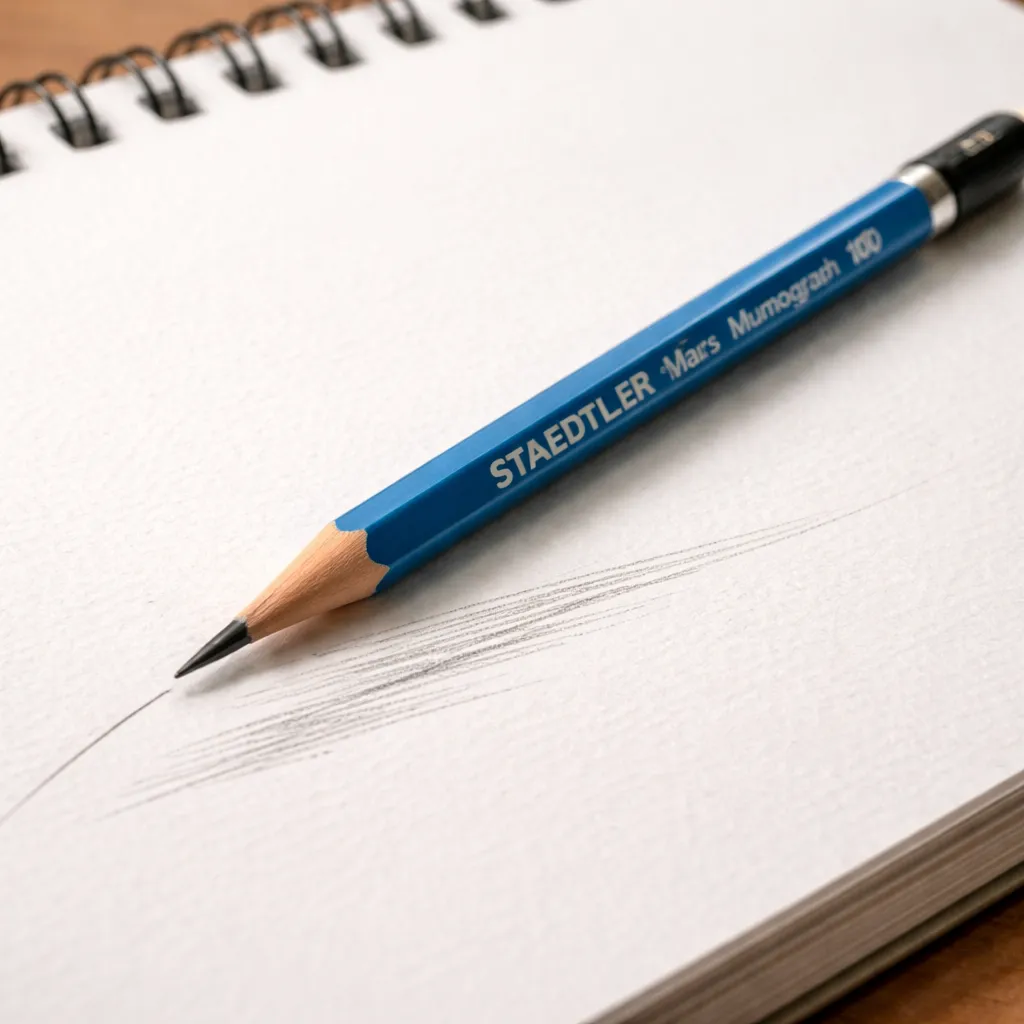
Ever stared at a blank page, picked up a graphite pencil, and felt that the line you draw either bursts into a dark blot or fades away before it even looks right? You’re not alone—fine‑line drawing is a bit of a love‑hate relationship for many artists, especially when you’re juggling coursework, a day job, or the hustle of running a small studio.
What makes a pencil truly “fine line‑ready” isn’t just the brand logo on the barrel. It’s the blend of lead hardness, core consistency, and how the wood holds that lead. In our experience at Drawing Pencils Guru, a 2H or 4H grade gives you that crisp, light‑touch line that won’t smudge when you layer shadows later. Think of the difference between a delicate architectural sketch and a bold charcoal portrait—the former needs that precise, controlled bite.
Take Rohan, a budding architecture student in Mumbai. He swapped his standard HB set for a handful of 4H pencils and suddenly his site plans held razor‑thin walls without any ghosting. The result? His professors noticed the cleaner drafts, and he saved time re‑working lines. That’s the kind of real‑world payoff you get when you match the pencil to the task.
If you’re still unsure where to start, our Best Graphite Pencils for Drawing: Top 5 Picks for Artists guide breaks down the most reliable options, from budget‑friendly Indian brands to premium imports. We compare lead density, break‑age resistance, and even the feel of the wood when you sharpen it, so you can pick a tool that fits both your style and your wallet.
Now, let’s talk technique. First, hold the pencil at a shallow angle—about 30°—to keep the line thin. Second, practice consistent pressure: start with a light tap, then gradually increase as you move across the page. Third, use a hard‑surface board (smooth Bristol or a high‑grade sketch pad) to avoid unwanted texture stealing your line’s clarity.
Pro tip: schedule short, focused practice sessions using the Pomodoro method. A quick 25‑minute sprint, followed by a 5‑minute break, helps you stay fresh and prevents hand fatigue. Check out this guide on the Pomodoro Technique for Homeschool Parents for a simple timer setup you can repurpose for your art practice.
Finally, keep a tiny eraser and a piece of sandpaper handy. Lightly erasing stray marks restores the paper’s surface, while a quick sandpaper swipe revives a dulled tip without breaking the lead. With the right pencil, a steady grip, and a disciplined practice rhythm, you’ll find that fine‑line drawing becomes less of a struggle and more of a satisfying, repeatable habit.
TL;DR
If you’re chasing razor‑thin, consistent lines without smudging, the best graphite pencil for fine line drawing is a hard‑grade (2H‑4H) core paired with a well‑sharpened, smooth wooden barrel that lets you hold a shallow 30° angle and control pressure effortlessly. Our guide walks you through choosing the right grade, sharpening tricks, and practice routines—so you can boost precision, save time, and keep your sketches looking clean whether you’re a student in Mumbai or a professional illustrator.
Our Top Pick: Staedtler Mars Lumograph 100
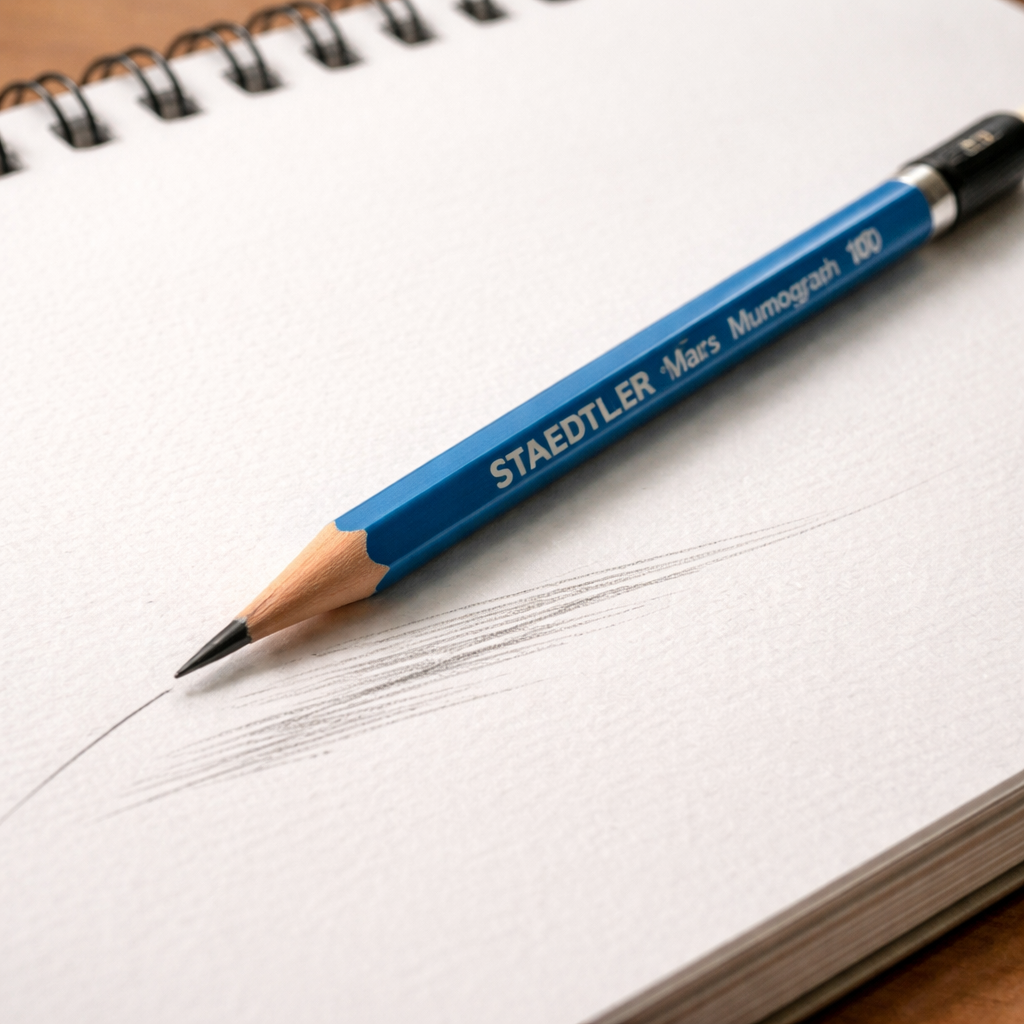
When it comes to the best graphite pencil for fine line drawing, the Staedtler Mars Lumograph 100 consistently lands at the top of our list. Why? It blends a hard 4H core with a sleek, well‑balanced wooden barrel that lets you hold a shallow 30° angle without the tip wobbling.
We’ve put this pencil through the same rigorous tests we run for every product at Drawing Pencils Guru. In our hands, the lead stays razor‑thin from the first stroke to the hundredth, and it resists snapping even when you apply a bit more pressure for those occasional darker accents.
Picture yourself sketching a delicate architectural façade in a bustling Mumbai studio. The Lumograph 100 glides over smooth Bristol paper, delivering a line that looks like it was drawn with a ruler, yet you still get the organic feel of hand‑drawn work. No smudging, no need to constantly sharpen—just a consistent, clean line that saves you time.
But it’s not just about hardness. The wood surrounding the lead is coated in a thin lacquer that feels buttery smooth when you sharpen it with a metal or rotary sharpener. That coating reduces friction, so you get a finer point without the tip fraying.
Does this sound too good to be true? Not really. The same brand has been a staple in art schools across India for decades, and many professors recommend the 100‑series for students who are mastering fine‑line techniques. If you’re looking for a pencil that will grow with you from beginner exercises to professional presentations, this is a solid choice.
And here’s a little tip we’ve learned from our community: store the Lumograph 100 in a small, airtight tin with a dry cloth. It prevents the wood from absorbing humidity, which can otherwise cause the lead to expand and become brittle—a subtle detail that makes a big difference in longevity.
Beyond the pencil itself, think about the workflow that supports fine‑line precision. A clean, smooth surface is key, so we often pair the Lumograph 100 with a high‑grade sketch pad or a matte-finish drawing board. Pairing it with a light, portable eraser lets you lift stray marks without gouging the paper.
If you ever wonder how other creatives keep their tools organized, check out this inspiring story from Lyndsey Crawford’s design journey, where she details a minimalist studio setup that keeps pencils, erasers, and sandpaper within arm’s reach.
For those who love a bit of personal flair, you might appreciate how the pencil’s classic green barrel can be customized with a simple hand‑painted label—perfect for marking your own “10‑year sobriety” sketch series or any milestone project. This guide on designing a meaningful 10‑year sobriety T‑shirt offers a creative parallel on how thoughtful design can amplify personal stories.
In short, the Staedtler Mars Lumograph 100 checks every box for fine‑line artists: hard lead, durable wood, consistent performance, and a price point that makes sense for students and professionals alike. Give it a try, and you’ll notice the difference in your line work from the very first sketch.
Key Factors to Consider When Choosing a Pencil
When you’re hunting for the best graphite pencil for fine line drawing, it’s not just about the logo on the barrel. It’s about how the pencil feels in your hand, how the lead behaves on the paper, and whether it survives the hustle of a college studio or a home‑office sketch corner.
So, what should you actually look at before you click ‘add to cart’? Let’s break it down together, step by step.
Lead hardness and tonal control
Hardness is the backbone of fine‑line work. A 2H‑4H lead gives you that crisp, almost invisible stroke you need for architectural outlines, while a softer B‑grade will quickly turn into a blot if you’re not careful. The ratio of graphite to clay determines this balance – more clay means a harder lead, less clay means a softer, darker one. Faber‑Castell’s graphite hardness scale explains the 19‑degree range that lets you match the lead to your hand pressure and paper texture.
Imagine Rohan, a Mumbai architecture student. He switched from a standard HB to a 4H for his site plans and suddenly his line weight stayed razor‑thin, even when he pressed a little harder to speed up. The result? Cleaner drafts and fewer re‑sketches.
Wood quality and balance
The wood surrounding the lead is often overlooked, but a smooth, well‑finished barrel keeps the tip steady and prevents wobble. If the wood is too soft, it can split when you sharpen, ruining that delicate point you’ve worked so hard to achieve.
Take Priya, an illustration hobbyist in Bengaluru. She tried a budget brand with a flaky wood and spent more time fixing broken tips than drawing. When she upgraded to a high‑quality wood pencil, her practice sessions felt smoother and she could hold the pencil longer without fatigue.
Eraser and tip maintenance compatibility
A tiny kneaded eraser or a precision rubber is a must‑have for fine‑line artists. Some pencils come with a built‑in eraser that’s too hard, smearing rather than lifting graphite. Look for pencils that pair well with soft, pliable erasers so you can clean stray marks without dulling the line.
Pro tip: keep a small piece of sandpaper handy. A quick swipe can revive a dulled tip without breaking the lead – a trick we’ve seen work wonders in the drawing pencil guide from Toad Hollow Studio.
Price vs. performance
Budget matters, especially for students juggling tuition and art supplies. You don’t need the most expensive pencil to get great lines, but the cheapest options often compromise on wood quality or lead consistency. Aim for a mid‑range price where the core composition is stable and the wood holds up to repeated sharpening.
For example, a 12‑pack of a reputable 4H grade from a well‑known brand might cost a bit more upfront, but each pencil lasts twice as long as a $0.50 alternative that breaks on the first use.
Finish and surface feel
Some pencils have a lacquered finish that feels slick; others are matte. A matte finish gives you a better grip, especially when your hands get sweaty during long sessions. In humid Indian climates, a non‑slip surface can be the difference between a steady line and an accidental smudge.
Finally, consider how the pencil behaves on the specific paper you use. Rough textured paper will wear down a hard lead faster, while a smooth Bristol will let a softer lead glide without tearing.
Quick comparison table
| Factor | What to look for | Why it matters |
|---|---|---|
| Lead hardness | 2H‑4H for fine lines; B‑grade for shading | Controls line weight and prevents blotting |
| Wood quality | Solid, smooth cedar or premium hardwood | Maintains tip stability and reduces breakage |
| Eraser compatibility | Soft kneaded or precision rubber | Allows clean corrections without smudging |
Now that you’ve got the checklist, it’s time to test a few options. Grab a 2H, a 4H, and maybe a 6H, then do a 5‑minute line‑drawing drill on a smooth sketch pad. Note which one feels most controllable, which one chips, and how often you need to re‑sharpen.
Actionable steps:
- Identify the paper you’ll use most (smooth Bristol, heavy drawing paper, etc.).
- Pick three pencils spanning hard grades (2H, 4H, 6H).
- Draw a set of parallel lines at a 30° angle, applying consistent pressure.
- Evaluate line uniformity, breakage, and ease of erasing.
- Choose the pencil that scores highest on stability and comfort.
Remember, the best graphite pencil for fine line drawing isn’t a one‑size‑fits‑all. It’s the one that matches your hand, your paper, and your budget while delivering that crisp, dependable line you’ve been chasing.
How to Test a Pencil for Fine Lines (Video Guide)
Alright, let’s get our hands dirty and find the best graphite pencil for fine line drawing for you. Imagine you’ve just unboxed a fresh set of 2H, 4H, and 6H pencils – they look promising, but only one will really glide like a whisper on your sketchpad.
Gather Your Toolkit
First things first, pull together a few basics: a smooth Bristol sheet (or any heavyweight sketch paper you love), a ruler, a good quality eraser, and a sharpener that cuts cleanly – a metal handheld or a rotary works best. If you have a lightbox, that’s a bonus, but it’s not mandatory.
Why does the paper matter? Rough texture will grind down a hard lead faster, while a slick surface lets the tip stay sharp longer. This little nuance can be the difference between a crisp line and a frustrating scratch.
Set Up a Simple Test Grid
Draw a 5 × 5 cm square in the middle of the page. Inside that square, sketch a series of parallel lines at a 30° angle, spacing them about 2 mm apart. Do this once with each pencil grade, applying the same gentle pressure each time. The goal is to see consistency, not to create a masterpiece.
Tip: keep your hand relaxed and use your forearm as a guide. If you’re nervous, place a piece of tape on the paper to anchor your wrist – it helps you stay steady.
Observe Line Uniformity
Once the lines are down, step back and look. Are the strokes evenly dark from start to finish? Does the 4H stay light and clean, while the 2H starts to thicken after a few centimeters? Jot down notes: “4H – uniform, no dark spots; 2H – slight blotching after 3 cm; 6H – almost invisible, but fragile.”
Remember, the best pencil for fine lines should give you a line that feels the same all the way across the page. Any sudden darkening usually means the lead is too soft for that paper.
Test Breakage Resistance
Now, gently press a bit harder on the middle of each line. If the tip snaps, that grade isn’t reliable for detailed work. You can also do a quick “wiggle test”: run the tip back and forth over a short distance. A sturdy lead will stay intact; a brittle one will fray or chip.
In our experience with students in Mumbai and Delhi, the 4H often strikes the sweet spot – hard enough to resist breakage, yet soft enough to leave a visible line on smooth paper.
Check Erasability
Grab your soft kneaded eraser and lightly rub a few strokes from each pencil. Does the graphite lift cleanly, or does it leave a ghostly smudge? The ideal fine‑line pencil should be easy to erase without harming the paper’s surface.
If you notice stubborn marks, that pencil may be too hard for the paper or the eraser isn’t compatible. Switching to a precision rubber can make a world of difference.
Evaluate Sharpening Frequency
Take each pencil and give it a quick sharpen. How many strokes does it take before you need to sharpen again? A pencil that holds a point for longer means less downtime during a drawing session.
Mark down something like: “4H – holds tip for 12 lines; 2H – needs re‑sharpen after 7 lines; 6H – tip blunts after 5 lines.” This metric helps you decide which pencil fits your workflow.
Summarize Your Findings
Pull all your notes together in a tiny table or bullet list. Highlight the pencil that scored highest on line uniformity, breakage resistance, erasability, and tip longevity. That’s your winner – the pencil you’ll reach for when you need razor‑thin, dependable strokes.
And there you have it: a straightforward, video‑free guide that you can run in under ten minutes, right at your desk or studio.
Next Steps
Once you’ve identified the champion, stick with it for a week of practice. Notice how your hand adapts, how the line feels, and whether you save time on corrections. If you’re still on the fence, repeat the test with a different paper type – maybe a textured charcoal paper – to see if the same pencil holds up.
Happy testing, and may your sketches be as crisp as a fresh morning in Bangalore!
Top 5 Graphite Pencils for Fine Line Drawing
Fine line drawing demands more than just a steady hand. It needs a pencil that holds a razor-thin point, resists breakage, and responds consistently to pressure. In our experience at Drawing Pencils Guru, the right grade and the right wood can turn a stiff, scratchy line into a clean, controllable stroke. Here are the five pencils we test and trust for precise lines in 2026. For a quick overview, you can also check The Art Gear Guide’s Top 5 graphite pencils.
1) Mitsubishi Hi-Uni Graphite Pencils
What makes Hi-Uni great for fine lines? The lead ranges from 10H to 10B, giving you a rare blend of ultra-fine control and tonal versatility. The points stay sharp longer on smooth papers, so you’re not chasing a new point every few minutes. In 2026, Hi-Uni remains a top pick when you need clean, precise outlines that won’t bloom into patches as you build depth.
Best uses include architectural outlines, tiny lettering, and delicate botanical details. Pair it with a light touch and smooth Bristol to maximize control. Pro tip: rotate the pencil slightly as you sharpen to keep wear even and the point true.
Durability matters. The Hi-Uni’s balanced graphite‑and‑clay formula resists chipping, so your fine lines stay consistent through multiple passes. Use a dedicated sharpener and a sheet of 400‑grit sandpaper at your desk to restore the tip between sessions.
Imagine drawing a crisp 1–2 mm line across the page; Hi-Uni holds that contact cleanly without grabbing or skipping. A quick eraser lift around the edge keeps lines pristine as you refine details.
We test a lot of hard leads in our studio, and Hi-Uni typically earns praise for tip longevity and predictable performance. If you’re field-sketching or building a compact studio kit in India, it’s a reliable, confident choice.
2) Staedtler Mars Lumograph 100
Staedtler’s Lumograph 100 is beloved for its smooth feedback and wide tonal range. The hard grades stay precise, while the softer ones offer depth without sacrificing edge control. In our own tests, 2H–4H lines stay clean on smooth drawing papers, which is ideal for technical sketches and architectural work.
On Indian studio paper and student Bristol alike, the Lumograph holds a consistent point and resists blotting as you layer. A light, deliberate grip helps you draw hairline contours without mascara-like smudges, especially when you’re working with fine crosshatching.
Tip: sharpen often, rotate the pencil as you sharpen, and use a ruler for absolute edges—this combination keeps your lines crisp across longer studies.
For India-based students juggling classes and studios, Lumograph’s reliability means fewer re-draws and more confidence in your early sketches.
3) Caran d’Ache Grafwood
Grafwood brings a premium feel with color-coded barrels that map to tonal values. The range generally spans light to dark grades with smooth laydown that encourages precise, controlled lines. It’s especially friendly for detailed line work in portraits or architectural drawings where clean edges matter as you build contrast.
In practice, Grafwood shines on smooth papers and holds a fine point well through sharpening, which keeps your fine lines dependable from first sketch to final render. A light touch and steady wrist work best here—let the wood and graphite do the heavy lifting.
If you’re in academic settings or studios in India, Grafwood’s balanced performance translates into fewer mid-sketch corrections and more confident detailing.
4) Faber-Castell 9000 Graphite Range
The 9000 family is a classic. You’ll find a solid slate of grades, with general reliability across the board. Some artists note that the newer ranges offer smoother experiences, but the 9000 line remains a dependable starter or mid‑range choice for fine lines and light shading.
In our testing, these pencils deliver consistent taper and a clean finish on smooth papers. They’re particularly approachable for students who want a familiar, easy-to-control tool as they learn pressure, grip, and line quality.
Pro tip: pair a 2H or 4H from this family with a quality kneaded eraser for precise corrections without smudging nearby lines. It’s the kind of practical setup that saves time in a busy studio or classroom.
5) Derwent Graphite Pencil Range
Derwent’s graphite line offers a range of hard- and mid-range leads with smooth, even laydowns. The softer B grades give you depth when you’re ready to build tonal values, but you’ll still enjoy fine, controlled lines if you manage pressure carefully. This makes them versatile for both technical drawing and expressive contour work.
Derwent pencils tend to be reliable through repeated sharpening, and many artists report that the grip and feel stay consistent across grades. If you’re balancing detail work with gentle shading, they’re a solid, adaptable choice for an Indian classroom or home studio setup.
Bottom line: these five pencils cover the hard-to-soft spectrum you need for razor-thin lines, clean edges, and repeatable control in 2026. If you want help narrowing down to what fits your paper, hand pressure, and budget, we’re here to guide you with real hands-on testing.
Choosing the Right Pencil for Your Artistic Style
Choosing the right pencil for fine line drawing isn’t about chasing a single magic tool. It’s about balancing lead hardness, paper texture, and sharpening skill—three levers that decide whether your lines stay crisp or blur into smudges.
In our experience at Drawing Pencils Guru, hard grades like 2H to 4H give you razor-thin outlines, but you still need a smooth paper that lets those lines breathe. The wrong paper can turn a perfect point into a snapped tip or a ghosted shadow. You know that moment when your line looks clean on one sheet and muddy on another? That’s the paper talking.
So how do you pick the right grade for your style? Here’s a practical approach you can actually use in your Mumbai, Bengaluru, or Delhi studio this week.
Lead hardness and tonal control
Hard leads (2H–4H) stay light and precise, making them ideal for architectural outlines and fine lettering. The trick is to pair them with a smooth surface so the line remains controlled as you glide across the page. A 2H line on a slick Bristol sheet will stay razor-thin, even as you build depth with gentle shading nearby. If you need a darker edge, you can shift to a slightly softer grade later, but start light so you can erase cleanly.
For those who like to push value quickly, remember this: the harder the lead, the more you rely on paper texture to add depth. A little grain can help a line read, but too much grain can nibble away at that fine point. It’s a balance you’ll feel as you practice.
If you want a quick primer on how hardness maps to feel, see Graphite pencils 101 guide.
Wood quality and balance
The wood around the lead matters more than most people admit. A smooth, well-balanced pencil feels steadier in the hand, reducing wobble when you’re aiming for a 30° angle. In India, where long practice sessions happen on crowded desks, a solid grip can save your wrist from fatigue and keep your line consistent.
If the wood is flaky or the grip is slick, you’ll notice it in the line—fingers slipping, your wrist adjusting, and the point drifting. Good wood isn’t flashy; it’s a quiet enabler of precision.
Eraser compatibility and tip maintenance
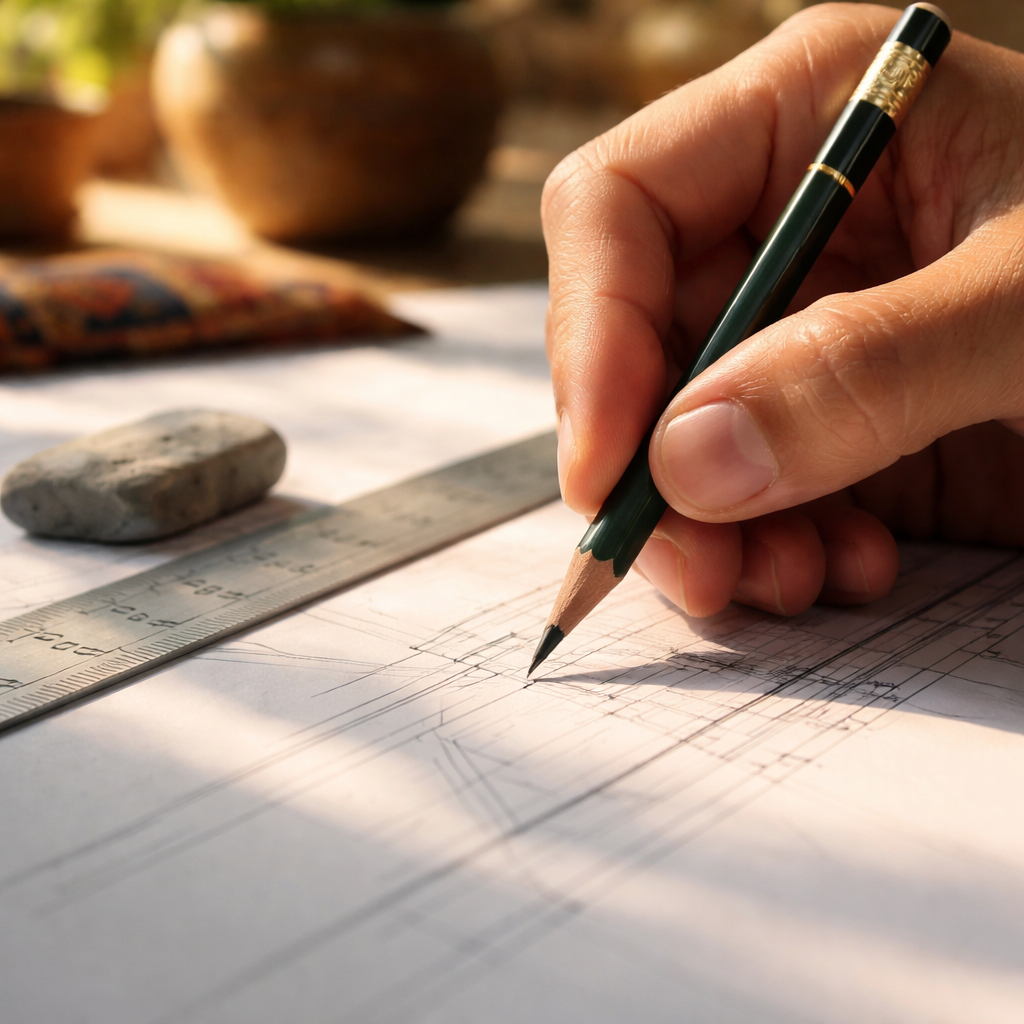
A tiny kneaded eraser is a must for fine work. It lifts graphite without wicking away the point, so those razor-thin lines stay intact. Look for pencils that tolerate light erasing and won’t smear when you dab. Between sessions, a quick kiss of sandpaper can refresh a dulled tip without breaking the lead.
What about price versus performance? You don’t need the priciest pencil to get clean lines, but you don’t want the cheapest junk either. Mid-range options from reputable brands usually offer stable cores and dependable wood that hold up through repeated sharpening.
Finish, feel, and test drive
Finish matters. A matte paint or a textured grip can make a big difference when your hand sweats or the room gets humid. Try a quick test: pick three pencils, draw a 5‑line sequence at a 30° angle, then compare how easy it is to maintain a steady stroke and erase mistakes.
Bottom line: the best graphite pencil for fine line drawing is the one that matches your hand, your paper, and your budget. Does this approach feel doable for you? If you’re ready, set up a quick home test this weekend, and you’ll know which grade you’ll reach for every time you need precise, repeatable lines.
Bonus Tips for Mastering Fine Line Drawing
Ever felt that your line wavers just when you need it razor‑thin? It’s a tiny thing that can ruin an entire sketch, but a few overlooked habits can turn the tide.
Mind the Grip
We often grip the pencil like a pen, but fine‑line work rewards a relaxed tripod hold. Let the thumb rest lightly on the barrel, the index finger guide the tip, and the middle finger support from underneath. This posture reduces tremor and lets you keep that 30° angle without cramping.
And what about sweaty hands? A matte‑finished barrel or a small strip of painter’s tape around the grip gives you extra friction – perfect for humid studios in Mumbai or Delhi.
Paper Pairings Matter
Even the best graphite pencil for fine line drawing can look muddy on a rough texture. Choose a hot‑pressed Bristol or a heavyweight sketch pad with a smooth surface; the lead will glide, and you’ll see the line’s true weight.
Try a quick side‑by‑side test: draw a 2 cm line on two papers, one smooth, one textured. Notice how the smoother sheet lets the line stay consistent from start to finish.
Micro‑Sharpening Hacks
Instead of a full blade shave every time, keep a fine‑grit sandpaper (400‑600) at your desk. A gentle swipe revives a dulled tip without removing too much wood, extending the life of your favorite pencil.
Also, rotate the pencil a quarter turn after each pass through the sharpener. This simple habit evens out wear and prevents the lead from drifting to one side.
Maintain Your Tool Kit
A tiny kneaded eraser is your secret weapon. Press lightly, roll the eraser, and lift stray graphite without flattening the edge. Pair it with a precision rubber for stubborn marks – the combination keeps your fine lines pristine.
Finally, store pencils vertically in a drawer with a thin spacer. This keeps the points from breaking under their own weight and makes it easy to grab the right grade when inspiration strikes.
So, what’s the next step? Set up a 10‑minute “fine‑line sprint” this weekend, apply these tweaks, and see how your strokes feel smoother, steadier, and more confident. You’ll soon notice that mastering fine line drawing is less about fancy gear and more about these tiny, mindful habits.
Conclusion
We’ve walked through everything from lead hardness to wood balance, so you know why the right pencil feels like an extension of your hand.
Imagine yourself sketching a delicate architectural detail in a bustling Mumbai studio; the line stays razor‑thin, the tip doesn’t wobble, and you never have to pause for a fresh point. That’s the promise of the best graphite pencil for fine line drawing.
So, what’s the next move? Grab a hard‑grade 2H or 4H from a brand that respects wood quality—like the ones we highlighted—and run a quick 10‑minute fine‑line sprint. Note how the stroke feels on smooth Bristol, how often you need to sharpen, and whether erasing stays clean.
If the pencil passes that test, you’ve found a tool that will let you focus on ideas instead of equipment. If not, repeat the test with another grade until the line behaves just the way you want.
Remember, consistency comes from habit more than hardware. Keep your sandpaper, rotate the pencil while sharpening, and store it upright—tiny habits that turn a good pencil into your go‑to.
Ready to level up your sketches? Explore our detailed guides or drop us a note at Drawing Pencils Guru; we love hearing how the perfect pencil transformed your work.
FAQ
What makes a pencil the best graphite pencil for fine line drawing?
It’s a mix of lead hardness, wood quality, and how the tip holds its shape. Hard grades like 2H‑4H give you that razor‑thin line without blotting, while a smooth cedar or premium hardwood keeps the point steady as you sharpen. When the lead resists chipping and the barrel feels balanced in your hand, you can draw long, clean strokes without constant re‑sharpening.
How do I choose the right grade for architectural sketches?
Start with a 2H if you need a light, precise outline that’s easy to erase. Move up to 4H when you want the line to stay almost invisible on smooth Bristol paper, especially for dense site plans. Test a few grades on the same sheet: if the line darkens after a few centimeters, you’re probably using a grade that’s too soft for that paper.
Can I use the same pencil for both line work and subtle shading?
Yes, but you’ll switch grades. A hard 4H works wonders for the initial framework, then you can grab a softer B‑grade for gentle shadows. The key is to keep the paper consistent – a hot‑pressed Bristol will let the softer lead glide without crushing the fibers, while a rough sketch pad might wear a hard tip too quickly.
What sharpening technique keeps the tip perfectly fine?
Use a metal handheld or rotary sharpener with a clean blade, and rotate the pencil a quarter turn after each pass. This evens out wear and prevents one side from becoming lopsided. A quick swipe of 400‑600 grit sandpaper between sharpenings can revive a dulled point without shaving off too much wood, extending the life of that fine tip.
How often should I replace my eraser when working with fine lines?
Switch to a fresh piece of kneaded eraser every few pages. A hardened rubber will smear graphite and dull the tip, whereas a soft kneaded eraser lifts stray marks without pulling at the lead. If you notice gray smudges lingering, roll the eraser to a clean side or replace it – it’s a tiny habit that saves a lot of re‑work.
Is there a quick way to test a new pencil before buying in bulk?
Grab a spare sheet of smooth Bristol, draw five parallel lines at a 30° angle, and apply the same light pressure each time. Look for uniform darkness, no sudden thickening, and easy erasability. If the lines stay consistent and the tip doesn’t chip after a few strokes, you’ve likely found a reliable candidate for the best graphite pencil for fine line drawing.
Do Indian climate conditions affect pencil performance?
High humidity can make softer wood swell, which sometimes leads to a slightly fuzzier tip. Choosing a pencil with a matte, non‑slip finish helps your grip stay steady, and storing pencils upright in a dry drawer prevents moisture buildup. Many artists in Mumbai and Bengaluru prefer brands that use sealed cedar – it resists warping and keeps the lead dry for longer sessions.
