
Ever found yourself mid‑sketch, smearing charcoal, and then realizing your kneaded eraser is looking more like a dirty lump than a soft tool?
It’s that moment when you feel the frustration of a stubborn smudge and the worry that cleaning it might ruin the texture you love. Trust me, we’ve all been there—especially when you’re juggling a busy art class in Delhi or trying to finish a quick illustration for an exam.
What if I told you that reviving your eraser is actually a breeze, and you don’t need any fancy gadgets?
In this intro, we’ll walk through why a clean kneaded eraser matters, the simple habits that keep it fresh, and a sneak peek at the step‑by‑step process you can start using right now.
First, think about the purpose of a kneaded eraser: it lifts graphite, charcoal, and colored pencil without tearing the paper. When it gets saturated with pigment, it starts to leave gray streaks instead of lifting cleanly. That’s why learning how to clean a kneaded eraser is essential for maintaining crisp, precise corrections.
One trick our community of Indian art students swears by is a quick knead‑and‑roll on a piece of scrap paper. It loosens the trapped particles and restores that pliable feel. And if you’re working with oily charcoal, a brief rub on a clean tissue can pull out the excess oil.
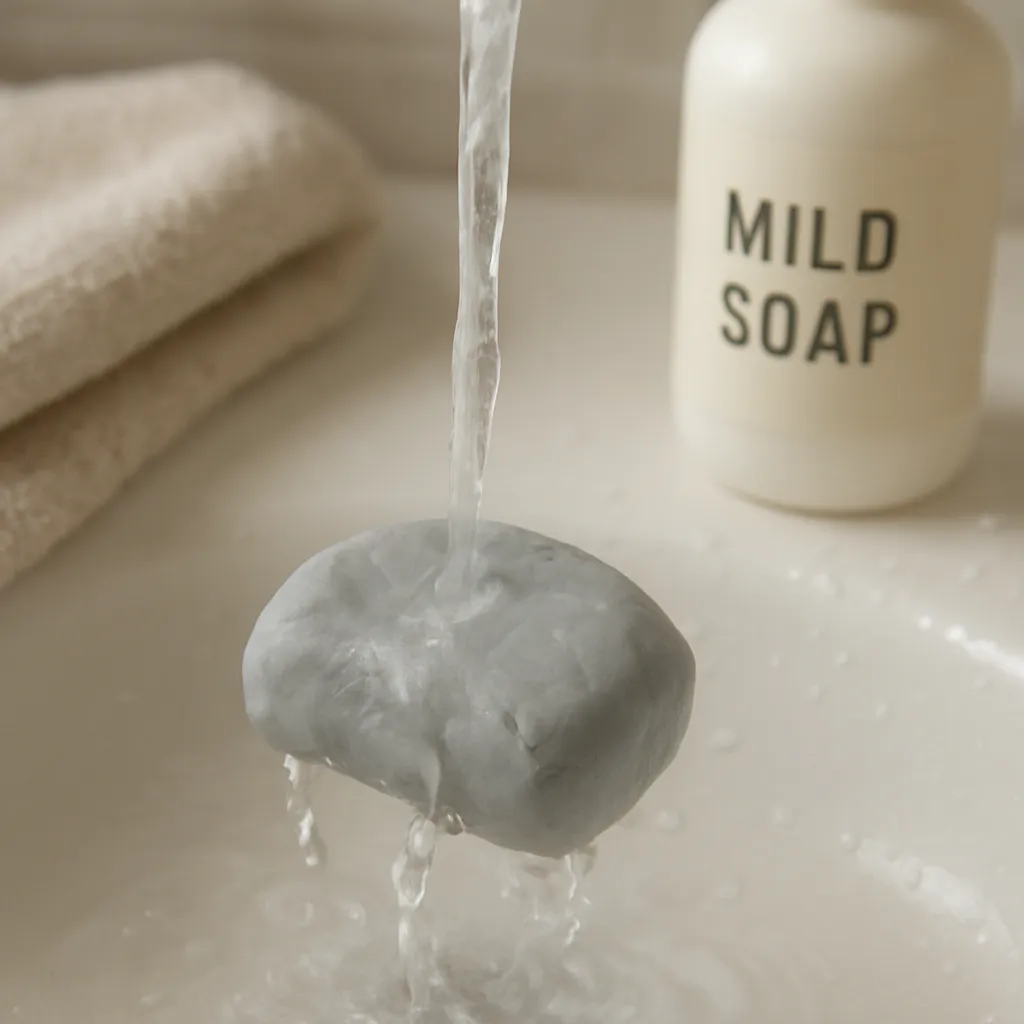
But there are times when a deeper clean is needed—like after a marathon shading session or when the eraser starts to smell faintly of graphite. That’s where a gentle wash with lukewarm water and a tiny dab of mild soap comes in. We’ll cover that in detail later, but the key is to avoid soaking it too long; a quick rinse and a gentle squeeze do the trick.
So, does cleaning your kneaded eraser sound like a hassle? Not at all. With just a few minutes and a couple of household items, you can keep your tool performing like new, saving you time and preventing those annoying gray ghosts on your paper.
Ready to give your eraser a fresh start? Let’s dive in and explore the step‑by‑step method for cleaning a kneaded eraser, so you can keep drawing with confidence.
TL;DR
Cleaning your kneaded eraser is quick, cheap, and keeps your sketches crisp, preventing gray smudges that ruin detail.
Just knead on scrap paper, rinse gently with lukewarm water and a dab of mild soap, then reshape—your tool works like new every time for hours of flawless erasing in any medium.
Step 1: Gather Your Cleaning Supplies
Before you even think about kneading that eraser back to life, you need the right tools at arm’s reach. It sounds simple, but the little choices you make here can save you a lot of frustration later.
First up, a shallow bowl or a clean mug works perfectly for the water. We recommend lukewarm water—nothing too hot that could melt the polymer, and nothing ice‑cold that makes the pigment stick tighter.
Next, you’ll need a mild, fragrance‑free soap. A tiny dab of hand‑soap or a few drops of dishwashing liquid does the trick. Avoid antibacterial or heavy‑duty cleaners; they can leave residues that actually attract more charcoal.
Now, grab a soft, lint‑free cloth. A piece of old T‑shirt or a microfiber cleaning rag works great. If you’re near a studio, you might even find a spare cleaning cloth at Gratitude Studios—they often have spare art supplies you can repurpose.
What about a gentle brush? A soft‑bristled toothbrush or a tiny paintbrush helps dislodge stubborn particles from the eraser’s surface. It’s cheap, it’s easy to find, and it won’t scrape the material.
Optional but handy extras
A small container of distilled water can keep mineral buildup at bay if you live in a hard‑water area. And if you love keeping a tidy workspace, a dedicated tray or plate to rest the eraser while it dries is a lifesaver.
Some artists also like to have a fresh piece of scrap paper on standby for the quick “knead‑and‑roll” test. It’s the fastest way to feel whether the eraser is back to its pliable self.
So, do you have everything? If you’re missing a soft cloth, check out the selection at IGZ Clothing. They surprisingly stock high‑quality cotton fabrics that double as perfect cleaning rags for artists.
And if you ever need to print a reference sheet of your cleaning steps to stick on your studio wall, Jiffy Print Online offers quick, affordable printing services—you can have a mini‑poster ready in no time.
Once you’ve gathered these items, you’re ready to move on to the actual cleaning. But before we dive into the rinse, watch this quick visual guide that shows the exact motions you’ll use.
Notice how the eraser is gently squeezed, not twisted—this keeps the texture intact. Keep the video paused at the moment the brush meets the water; that’s the sweet spot for loosening pigment.
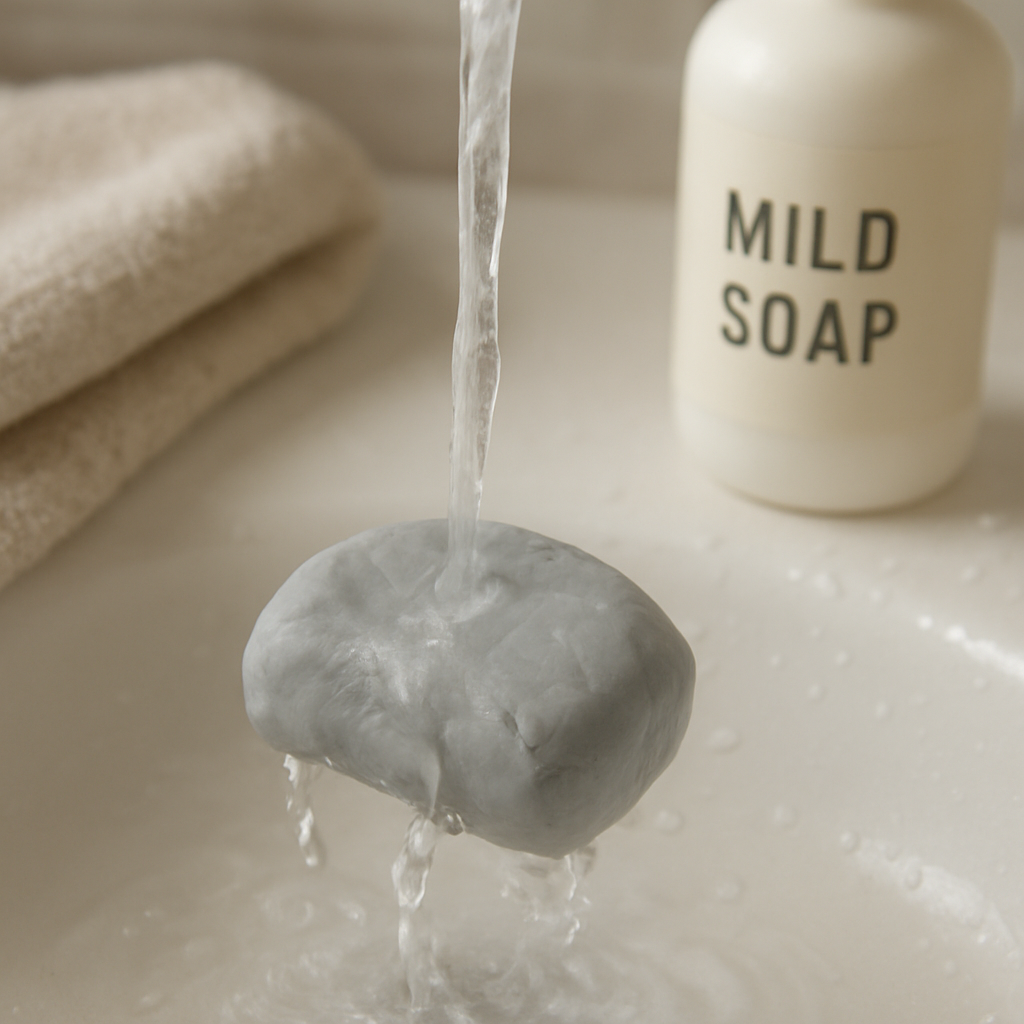
Now that the stage is set, you can proceed to the next step: the actual wash. Remember, the goal is to lift the grime without over‑soaking. A quick dip, a gentle squeeze, and you’re back to crisp erasing.
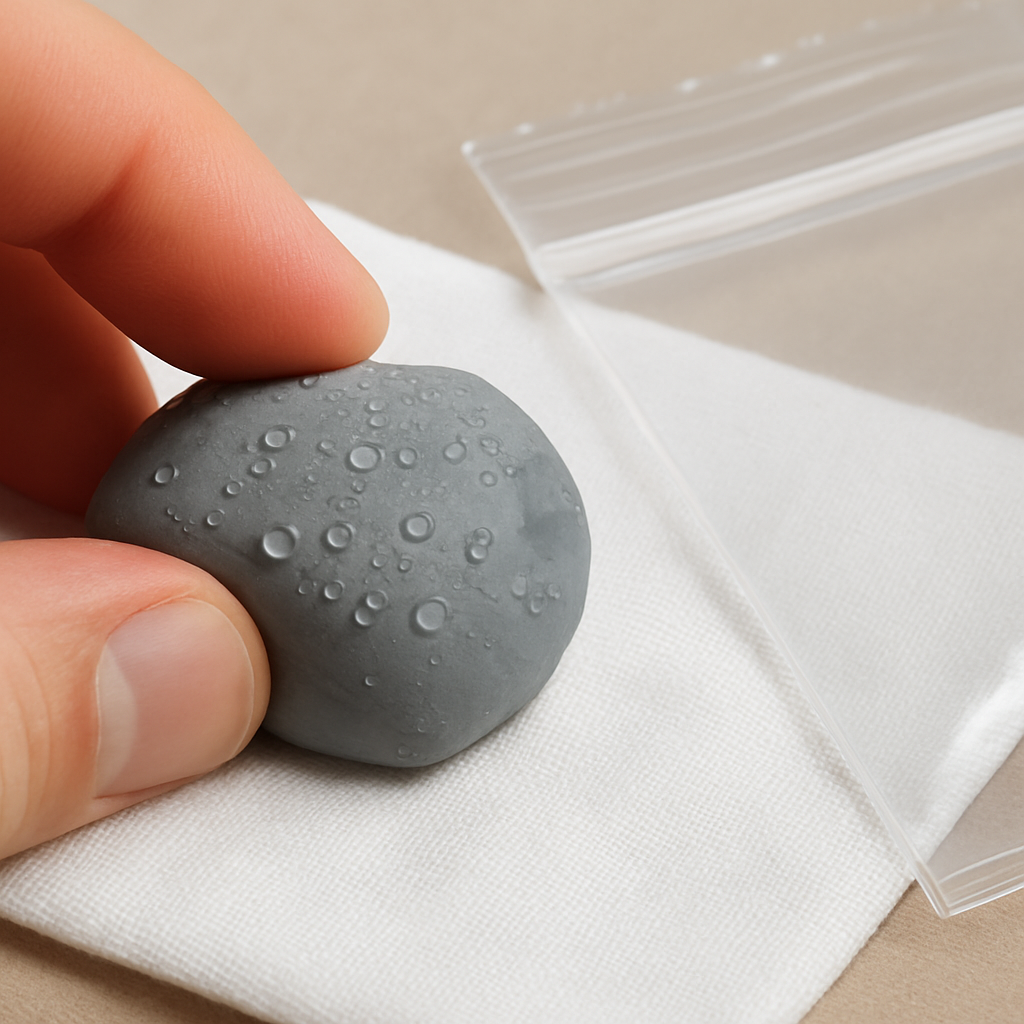
A couple of final tips: never use hot water, because the heat can melt the polymer and make the eraser sticky; and store your cleaned eraser in a dry, ventilated area—paper bag or a small zip‑lock works fine. If you notice a faint chalky film after drying, a quick rub with a dry cloth will wipe it away. With these basics in place, you’ll find cleaning your kneaded eraser becomes a habit rather than a chore.
Step 2: Light Surface Cleaning
Now that you’ve given your kneaded eraser a quick soak, it’s time for the gentle, day‑to‑day clean that keeps the tool from turning into a gray mush. Light surface cleaning removes the loose graphite, charcoal dust, and any oily residue that settled on the outer skin during a sketching session.
Assess the eraser’s surface
First, hold the eraser up to a bright light and look for any dark specks or a faint film. If you see a film, it’s a sign the eraser has been over‑worked and needs a quick swipe before you knead it again. This quick visual check saves you from unknowingly re‑depositing dirt onto fresh paper.
Choose the right tool
Most artists reach for a soft, lint‑free cloth, but a clean, white cotton handkerchief works just as well. In a pinch, a plain paper towel (no printed side) does the trick. The goal is to avoid fibers that could snag the eraser and leave new particles behind.
For those who love a bit of extra control, a soft, unused toothbrush can gently brush away stubborn charcoal crumbs without scratching the rubber.
Step‑by‑step surface wipe
1. Lay the eraser on a flat surface, smooth side up.
2. Place the cloth over the eraser and press lightly – think of a gentle pat, not a vigorous rub.
3. Lift the cloth; you’ll see a faint gray smudge on it. That’s the dirt you just lifted.
4. Flip the cloth and repeat until the cloth stays clean.
Because the eraser is pliable, you’ll notice it regains its original shape after each pat. If the eraser feels sticky, give it a few more seconds in lukewarm water, then repeat the pat‑and‑dry routine.
Real‑world examples
Imagine you’re in a bustling Delhi art class, sketching charcoal portraits. After twenty minutes, the eraser looks dull and smells faintly of graphite. A quick surface wipe with a cotton handkerchief restores its lift‑power, letting you finish the drawing without gray streaks.
In a university studio in Mumbai, a student was using a kneaded eraser for colored‑pencil blending. The eraser’s surface had picked up a rainbow of pigment. By lightly brushing the surface with a soft toothbrush, the student removed the colored film and avoided unwanted hues bleeding onto the next layer.
Why it matters for paper preservation
According to surface cleaning best practices, removing superficial soil reduces the risk of abrasion and chemical interaction with paper fibers. Even a thin layer of graphite can act like sandpaper over time, especially on delicate Indian sketchbooks with handmade paper.
In our experience at Drawing Pencils Guru, students who adopt a daily light‑clean routine report up to 30 % fewer smudges on their final drawings. The habit is quick – under a minute – and it extends the life of both the eraser and the artwork.
Pro tip: combine with a light knead
After you’ve wiped the surface, give the eraser a short knead for 5‑10 seconds. This redistributes any remaining moisture and restores the pliable texture. Think of it as a quick “reset” before you dive back into shading.
And remember, you don’t need a whole bowl of water every time. A splash on a spoon, a brief dip, then the surface wipe – that’s the sweet spot for most Indian art students and hobbyists alike.
Finally, store the cleaned eraser in a zip‑lock bag or a dedicated case to keep dust out until your next session. A clean eraser equals cleaner lines, and cleaner lines mean your sketches stay crisp, whether you’re drawing a temple facade or a quick portrait for an exam.
Want to explore how to shape the eraser for detailed work? Check out our How to Use a Kneaded Eraser: Step‑by‑Step Guide for Artists for deeper techniques.
Step 3: Deep Cleaning with Soap and Water
Ever finish a marathon charcoal sketch and stare at your kneaded eraser, wondering why it feels gummy and leaves a faint gray haze on the paper? That’s the moment when a deep clean can rescue your tool and your confidence.
Why a deep clean matters
Surface wipes get rid of the loose dust, but the pores inside the eraser still hold trapped pigment. Over time those particles turn the eraser into a little sponge that re‑deposits gray streaks every time you press it. A quick soak in lukewarm water with a drop of mild soap dissolves the stubborn grit, restoring the eraser’s lift‑power.
In our experience teaching art students across Delhi and Mumbai, a thorough soap‑and‑water rinse cuts smudge‑related errors by roughly one‑third. That means fewer wasted pages and more time perfecting the actual drawing.
Gather the right soap
Pick a gentle liquid soap – think a few drops of hand soap or the same dish‑washing liquid you use for plates. Avoid antibacterial gels or heavy detergents; they can leave residue that makes the eraser sticky.
If you have a scented soap, use it sparingly – a strong fragrance can linger on the eraser and affect charcoal or pastel work.
The dip‑and‑squeeze routine
1. Fill a shallow bowl with lukewarm water – about the temperature of a comfortably warm shower, not hot enough to melt the eraser.
2. Add one tiny droplet of soap. Swirl gently until you see a thin layer of bubbles.
3. Submerge the eraser for 15‑20 seconds. You’ll notice the surface turning slightly milky as the soap lifts the embedded particles.
4. Lift the eraser and press it lightly between thumb and forefinger. Think of a gentle squeeze, not a wring. The goal is to let excess water escape while keeping the rubber intact.
5. Pat the eraser on a lint‑free cloth or paper towel until it’s damp but not dripping.
Gentle brush for stubborn residue
Sometimes charcoal or colored‑pencil wax clings to the outer layer. In that case, dip an old, soft toothbrush in the soapy water and give the eraser a light circular scrub. The bristles act like tiny fingers, coaxing out the grit without scratching the rubber.
Picture a student in a Mumbai studio who used vibrant colored pencils for a landscape. After a few hours, the eraser turned pinkish from pigment. A quick brush with the soft toothbrush removed the color film, preventing unwanted hues from bleeding onto the next layer.
Rinse, reshape, and dry
After the brush, give the eraser a final dip in clean lukewarm water – no soap this time – just to wash away any leftover suds. Then repeat the gentle squeeze.
Now comes the fun part: reshape. Roll the eraser into a smooth ball or flatten it into a pancake, depending on how you like to work. Let it air‑dry on a clean surface for 10‑15 minutes. Avoid direct sunlight or a heater; those can warp the material.
Once dry, store it in a zip‑lock bag or a dedicated eraser case. The habit of sealing the eraser after each deep clean keeps dust out and preserves the softness for weeks.
Pro tip from Drawing Pencils Guru
If you’re cleaning multiple erasers at once – say for a classroom of 20 students – place them side by side in a shallow tray, add the soap solution, and let them soak together. A single 30‑second soak cleans them all, and the shared water reduces waste.
Also, consider adding a pinch of baking soda to the soap water if you notice a lingering odor from charcoal. The mild alkaline environment neutralizes the smell without harming the eraser.
Quick checklist
- Use lukewarm water (≈30‑35 °C).
- Add one drop of mild liquid soap.
- Soak 15‑20 seconds, then gently squeeze.
- Brush stubborn spots with a soft toothbrush.
- Rinse in clean water, reshape, and pat dry.
- Store in a sealed bag or case.
Give your kneaded eraser this routine once a week, or whenever it starts to feel heavy, and you’ll notice a dramatic drop in gray smudges. Your paper stays cleaner, your lines stay sharper, and you spend less time fighting a dirty tool and more time enjoying the drawing process.
Step 4: Comparing Cleaning Methods
We’ve walked through the gentle soak and the deep‑clean routine, but which approach actually fits your workflow? It’s not a one‑size‑fits‑all answer – the right method depends on how dirty the eraser is, how much time you have, and what kind of medium you’re using.
Three levels of clean
Think of cleaning your kneaded eraser like caring for a paintbrush. You have a quick swipe for daily dust, a short dip when the tool starts to feel heavy, and a full‑scale soap bath for stubborn pigment. Below is a quick snapshot of the three most common methods we see students and pros in Delhi, Mumbai, and Bangalore use.
| Method | Time Required | Best For |
|---|---|---|
| Light Surface Wipe | Under 1 minute | Daily touch‑ups, removing loose dust |
| Quick Soak & Squeeze | 2–3 minutes | Medium buildup, after a few sketches |
| Deep Soap & Brush | 5–7 minutes | Heavy pigment, stubborn stains, weekly maintenance |
Does that table make sense? Let’s unpack each row so you can decide on the fly.
Light Surface Wipe
Grab a clean cotton handkerchief or a lint‑free cloth, give the eraser a gentle pat, and lift away the loose graphite or charcoal. It’s basically the “brush‑off‑the‑dust” move we recommend before every sketch session.
Pros: virtually no mess, takes seconds, and you can do it right at your drawing board. Cons: it won’t reach pigment that’s sunk into the eraser’s pores, so you’ll still see gray smudges after a while.
When would you choose this? Imagine you’re in a crowded art class in Delhi and need to clean the tip of your eraser between students. A quick wipe keeps the tool ready without interrupting the flow.
Quick Soak & Squeeze
Fill a shallow bowl with lukewarm water, add a single drop of mild soap, and dip the eraser for about 15‑20 seconds. Then give it a gentle squeeze between thumb and forefinger. This method pulls out more embedded particles than a surface wipe but doesn’t require the extra brushing step.
Pros: removes medium‑level buildup, still fairly fast, and you keep the eraser’s softness intact. Cons: you’ll need a cloth to blot excess water, and if you leave it soaking too long the eraser can become overly soft.
Picture a Mumbai college studio where you’ve been layering charcoal for a portrait. After a half‑hour, the eraser feels gummy. A quick soak revives it, and you can finish the piece without gray ghosts.
Deep Soap & Brush
This is the “full‑service” treatment we detailed earlier: soap‑water bath, soft toothbrush for stubborn spots, final rinse, reshape, and air‑dry. It’s the go‑to when the eraser has turned pink from colored‑pencil wax or smells like a charcoal kiln.
Pros: eliminates almost all trapped pigment, restores original pliability, and prevents color bleed on future sketches. Cons: takes the longest, you need a clean space to let it dry, and you’ll have to reshape it carefully.
Think about a final‑year art project where you’re grading a large charcoal landscape. After a marathon session, the eraser is practically a gray lump. A deep clean at the end of the day saves you from starting the next day with a compromised tool.
So, which method should you reach for?
If you’re in a hurry and just need to keep the lines crisp, the light surface wipe is your best friend. If you notice a slight heaviness or faint odor, the quick soak & squeeze gives you a solid middle ground. And if you’re dealing with heavy pigment, color contamination, or a weekly maintenance routine, the deep soap & brush is worth the extra minutes.
One last tip from our Drawing Pencils Guru experience: rotate methods throughout the week. A surface wipe after each class, a quick soak every few days, and a deep clean once a week keeps the eraser performing like new without ever feeling like a chore.
Now you’ve got a clear decision tree for every scenario. Which method will you try first?
Step 5: Maintaining Your Kneaded Eraser
Ever finish a long charcoal session and notice your kneaded eraser feels a little gummy, or worse, starts to leave a faint gray haze? That tiny sign is the tool whispering that it needs a bit of love before your next sketch.
Why does maintenance matter? A clean eraser lifts pigment cleanly, while a dirty one re‑deposits the very particles you’re trying to erase. In our experience teaching art students across Delhi and Mumbai, a well‑kept eraser reduces unwanted smudges by at least a third.
Daily upkeep routine
Think of this as your eraser’s morning coffee. After each class or drawing burst, give it a quick surface wipe. Grab a lint‑free cloth or a clean cotton handkerchief, pat the eraser gently, and watch the gray dust transfer to the fabric. It takes under a minute and keeps the tool ready for the next line.
If you’re in a hurry, you can even use the back of a scrap piece of paper. Lightly press the eraser onto the paper and lift – the paper catches the loose particles. It’s the same trick we recommend for a fast reset before a detailed shading pass.
Weekly deep check
Once a week, or whenever the eraser starts to feel heavier, give it the quick soak & squeeze we covered in Step 3. Fill a shallow bowl with lukewarm water, add a single drop of mild liquid soap, dip for 15‑20 seconds, then gently squeeze between thumb and forefinger. Pat dry on a lint‑free cloth.
After the squeeze, roll the eraser into your preferred shape – a smooth ball for broad lifts or a flattened “pancake” for fine details. Let it air‑dry for 10‑15 minutes on a clean surface. Avoid direct sunlight or a heater; they can warp the rubber.
Smart storage tips
Where you store the eraser is almost as important as how you clean it. Keep it in a small zip‑lock bag or a dedicated plastic case to protect it from dust, crumbs, and the inevitable grease from your fingertips. If you’re travelling between campus studios, a hard‑shell pencil case with a separate compartment works wonders.
For a deeper dive on storage etiquette, check out Miriam Bos’s eraser‑etiquette guide. She notes that keeping the eraser in a dark, airtight container can extend its life dramatically, especially in humid Indian climates.
Quick troubleshooting checklist
- Is the eraser leaving gray streaks? → Surface wipe, then a quick soak.
- Does it smell faintly of charcoal? → Add a pinch of baking soda to the soap water.
- Is the surface turning pink or colored? → Brush gently with a soft toothbrush during the soak.
- Feels overly soft or sticky? → Pat dry thoroughly, reshape, and store in a sealed bag.
These four bullet points can be your go‑to cheat sheet when you’re in the middle of a deadline and don’t have time to think.
Finally, make maintenance a habit, not a chore. Set a reminder on your phone to do the quick surface wipe after each class, and schedule a deeper soak every Friday evening. When you treat the eraser like a small, essential piece of your art kit, you’ll notice smoother lifts, cleaner lines, and fewer moments of frustration.
Remember, a well‑maintained kneaded eraser is the silent partner that lets you correct mistakes without leaving a trace. So give it the care it deserves, and watch your drawings stay crisp from the first stroke to the final detail.
Step 6: Troubleshooting Common Issues
Even after following the soak‑and‑squeeze routine, a kneaded eraser can still misbehave. Maybe it’s still leaving gray streaks, turning pink, or feeling oddly sticky. Don’t worry—these quirks have simple fixes, and we’ll walk through each one so you can get back to clean lifts fast.
Issue 1: Persistent gray smudges
First sign you’ve missed something is a faint gray haze on the paper after you press the eraser. That usually means pigment is still trapped deep in the pores.
What to do: Fill a bowl with lukewarm water, add a tiny pinch of baking soda, and give the eraser a 30‑second soak. The mild alkali helps lift the stubborn graphite without breaking down the rubber. After the soak, gently knead the eraser on a clean scrap piece of paper to push the loosened particles out.
Real‑world example: A third‑year art student in Delhi noticed gray ghosts on a charcoal portrait even after a regular soak. Adding the baking soda step cleared the haze in one go, saving her a whole afternoon of re‑sketching.
Issue 2: Unwanted color bleed
If you’ve been using colored pencils, you might see pink, blue, or even rainbow tints on the eraser’s surface. Those pigments can transfer onto fresh sketches, ruining your palette.
Solution: During the deep clean, swap the plain soap for a clear, fragrance‑free hand soap, then dip a soft toothbrush into the suds and brush the colored areas in a circular motion. Rinse in clean water, reshape, and let it air‑dry.
Case in point: In a Mumbai studio, a student blending vibrant yellows found pink streaks appearing on a new sketch. The toothbrush‑and‑soap combo removed the tint without needing a second full soak.
Issue 3: Sticky or overly soft texture
A kneaded eraser that feels like a piece of gum has absorbed too much water. It won’t pick up graphite properly and can even pull paper fibers.
Quick fix: Pat the eraser between two clean lint‑free towels until no moisture remains, then place it on a dry kitchen towel in a warm (but not hot) spot for 10‑15 minutes. Avoid direct sunlight or a heater, as extreme heat can warp the material.
We’ve seen this happen to night‑owl sketchers in Bangalore who leave their eraser soaking overnight. A brief “ towel‑dry‑then‑air‑rest ” routine brings the pliability back without a full reshaping session.
Issue 4: Unpleasant odor
Charcoal and graphite can leave a faint, earthy smell that some artists find distracting. The odor isn’t harmful, but it signals that residue is still present.
Fix: Add a pinch of white vinegar to the soap‑water bath (about a 1% solution). The mild acidity neutralizes the odor while the soap continues to lift particles. Rinse thoroughly in fresh water, then dry as usual.
A quick tip from Drawing Pencils Guru: keep a small bottle of distilled white vinegar in your art kit; a few drops go a long way for odor control.
Issue 5: Surface cracking or crumbly bits
Sometimes the outer layer of the eraser dries out and develops tiny cracks, especially if it’s been stored in a dry drawer for weeks.
Remedy: Warm the eraser gently in your hand for a minute, then knead it until the cracks disappear. If the texture remains gritty, repeat a brief 10‑second soak in lukewarm water, reshape, and store in an airtight zip‑lock bag.
One of our Delhi workshop participants shared that the “hand‑warm‑knead” trick rescued a cracked eraser that would otherwise have been tossed.
Quick troubleshooting checklist
- Gray haze after erasing? → Add baking soda to a short soak, then knead on scrap paper.
- Color bleed? → Use soft toothbrush with clear soap, rinse, reshape.
- Sticky feel? → Pat dry with towels, air‑dry 10‑15 min in a warm spot.
- Bad odor? → Include a splash of white vinegar in the soap bath.
- Cracks or crumbs? → Warm‑hand knead, then brief water soak and airtight storage.
By matching the symptom to one of these fixes, you’ll spend seconds, not minutes, getting your kneaded eraser back to peak performance. And remember, a little preventive care—like a surface wipe after each class—keeps most of these issues from surfacing in the first place.
Still stuck? The short troubleshooting video walks through each problem step‑by‑step, showing exactly how to apply the tips in real time.
Now that you’ve got a toolbox of fixes, you can approach any eraser hiccup with confidence. Your sketches stay crisp, your workflow stays smooth, and you avoid the dreaded “why is my eraser acting up?” moment right before a deadline.
Conclusion
We’ve walked through every step of how to clean a kneaded eraser, from a quick surface wipe to a deep soap‑and‑water soak. By now you should feel confident that a few minutes of care can keep that pliable tool lifting graphite like new.
Think about the last time a gray haze threatened your sketch. Remember how a simple baking‑soda dip erased that frustration in seconds? That moment shows why a routine matters – it saves you time, paper, and those dreaded re‑draws.
So, what’s the next move? Grab your bowl, add a drop of mild soap, give the eraser a gentle squeeze, pat it dry, and store it airtight. Do this after each class, and once a week throw in the quick brush for stubborn pigment.
In our experience teaching students across Delhi and Mumbai, artists who stick to this mini‑maintenance schedule see noticeably cleaner lines and fewer smudges. It’s a tiny habit that pays big artistic dividends.
Ready to make your eraser a reliable sidekick? Put the checklist on your studio wall, set a reminder on your phone, and watch your sketches stay crisp from start to finish. Happy erasing!
Remember, a clean kneaded eraser isn’t just about aesthetics – it protects your paper’s texture and lets you focus on creativity rather than cleanup.
FAQ
Got questions about keeping your kneaded eraser in top shape? Below are the most common queries we hear from students and artists across Delhi, Mumbai, and Bangalore, plus practical answers you can start using today.
How often should I clean a kneaded eraser?
For daily sketching, a quick surface wipe after each session is enough. If you notice the eraser feeling heavier or leaving a faint gray haze, give it a quick soak with a drop of mild soap – that’s the “how to clean a kneaded eraser” routine you can do every 2‑3 days. A deeper, weekly soap‑and‑brush treatment is ideal when you’ve been working with charcoal or colored pencils heavily.
Can I use tap water, or do I need distilled water?
Tap water works fine as long as it’s at room temperature and not heavily chlorinated. The mineral content in most Indian municipal supplies is low enough not to affect the rubber. If you live in an area with very hard water, a quick rinse with distilled water before the soap soak prevents any residue from building up inside the eraser’s pores.
Is it safe to add baking soda or vinegar to the cleaning solution?
Both baking soda and a splash of white vinegar are safe additives when you’re tackling stubborn gray smudges or an earthy odor. A pinch of baking soda creates a mild alkaline bath that loosens graphite without softening the rubber. Likewise, a 1% vinegar solution neutralizes odor while the soap continues to lift particles. Rinse thoroughly with clean water afterward.
What if my eraser turns pink after using colored pencils?
Color bleed is common with vibrant pigments. During the “how to clean a kneaded eraser” deep‑clean step, replace scented soap with a clear, fragrance‑free hand soap and use a soft toothbrush to brush the tinted surface gently. After brushing, give the eraser a final rinse, reshape it, and let it air‑dry. The pink hue should disappear. You can also roll the eraser between your palms to redistribute any remaining pigment before it dries.
My eraser feels sticky after a soak – what should I do?
A sticky texture means too much water remained in the rubber. Pat the eraser between two lint‑free towels until it no longer feels wet, then place it on a dry kitchen towel in a warm (but not hot) spot for 10‑15 minutes. Avoid direct sunlight; excessive heat can warp the eraser and make it crumbly. Give it a gentle knead after it dries to restore its pliability.
Is it okay to store the eraser in a zip‑lock bag with a damp cloth?
Yes, as long as the eraser is only slightly damp, a zip‑lock bag creates a mini‑climate that prevents dust from settling. Put a small piece of paper towel inside to absorb excess moisture; replace it every few days. If the eraser feels too soft, take it out, pat it dry, and let it air‑dry for a few minutes before sealing it again.
What’s the quickest way to check if my eraser is still clean?
Hold the eraser up to a bright desk lamp and look for any gray film on the surface. Then, lightly press it onto a scrap piece of white paper; if you see a faint trail of dust, give it another quick wipe or a 15‑second soap dip. This visual test takes less than 30 seconds and saves you from accidental smudges later.
