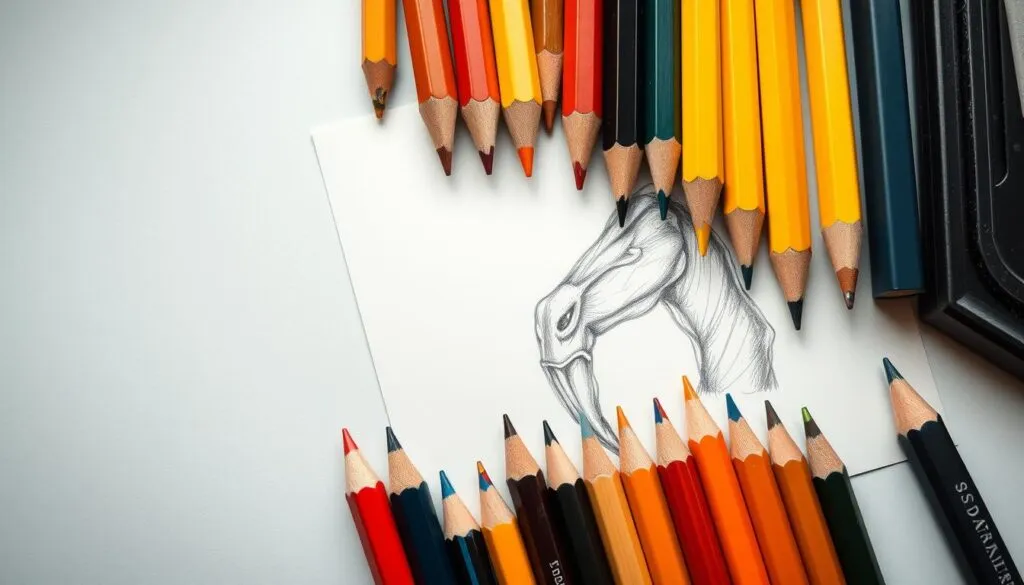
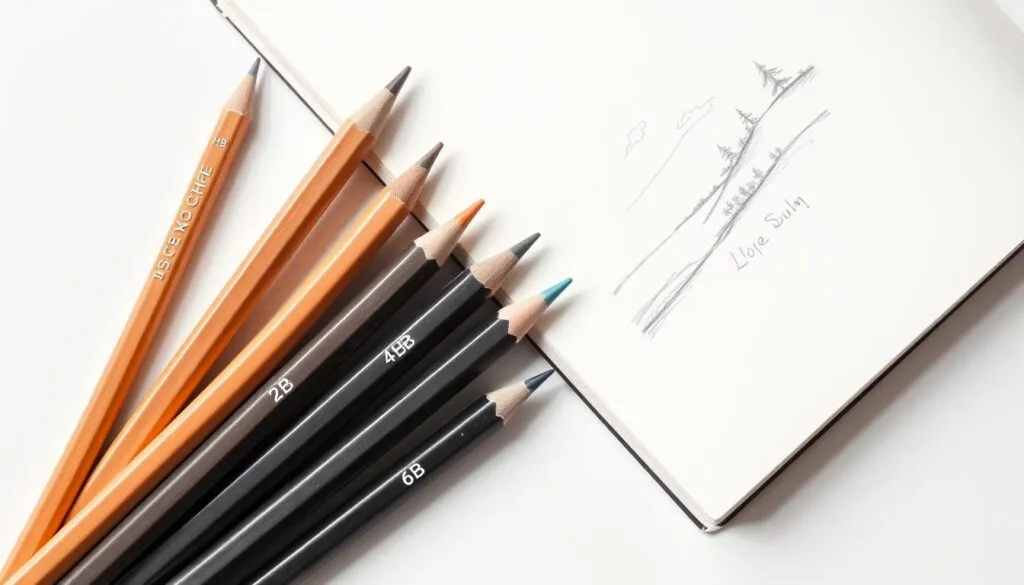
Embarking on your artistic journey begins with understanding the fundamental tools of the trade. Sketch pencils are the gateway to expressing your creativity on paper, but the variety can be overwhelming for beginners. In this guide, we’ll demystify the world of Sketch pencils, helping you make informed choices that match your artistic aspirations. Whether you’re dreaming of creating detailed portraits or simple landscapes, the right pencil makes all the difference in bringing your vision to life.
Understanding Sketch Pencils
What are Sketch Pencils?
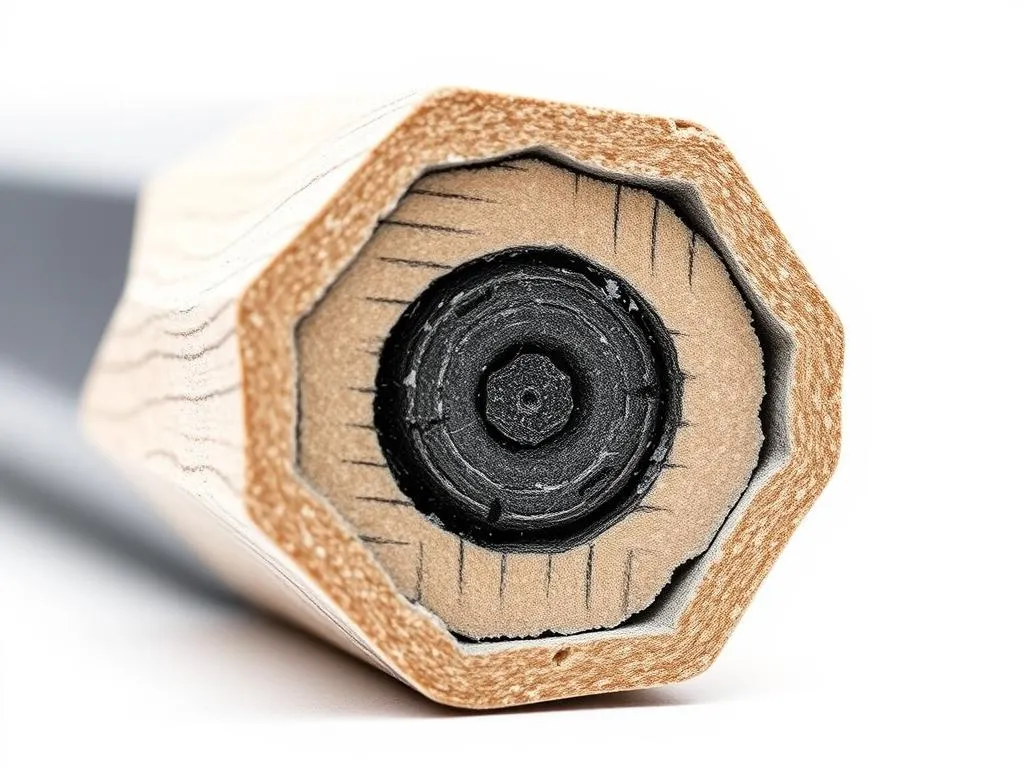
Sketch pencils are specialized drawing tools designed to create various tones, textures, and lines on paper. Unlike regular writing pencils, sketch pencils come in a range of hardness grades that produce different effects. Each pencil contains a core made of graphite mixed with clay, encased in wood for comfortable handling.
The proportion of graphite to clay determines the pencil’s hardness or softness. More clay creates harder pencils that make lighter marks, while more graphite creates softer pencils that produce darker, richer lines. This versatility allows artists to achieve everything from delicate outlines to deep shadows in their work.
Types of Sketch Pencils
Sketch pencils are categorized based on their hardness grade, following a standardized system. Understanding this grading system is essential for selecting the right tool for your artistic needs:
| Grade Category | Range | Characteristics | Best For |
| H Grades (Hard) | 9H to H | Light marks, retain sharp points, less smudging | Technical drawings, fine details, preliminary sketches |
| Middle Grades | F, HB, B | Balanced hardness and darkness, versatile | General sketching, outlines, everyday drawing |
| B Grades (Soft) | 2B to 9B | Dark marks, blend easily, wear down faster | Shading, shadows, expressive drawing, portraits |
In India, you’ll find various brands offering these grades, from affordable student-grade options to premium professional lines. Popular brands in the Indian market include Apsara, Camlin, Faber-Castell, and SYGA, each with their own interpretation of the grading scale.
Graphite vs. Colored Pencils
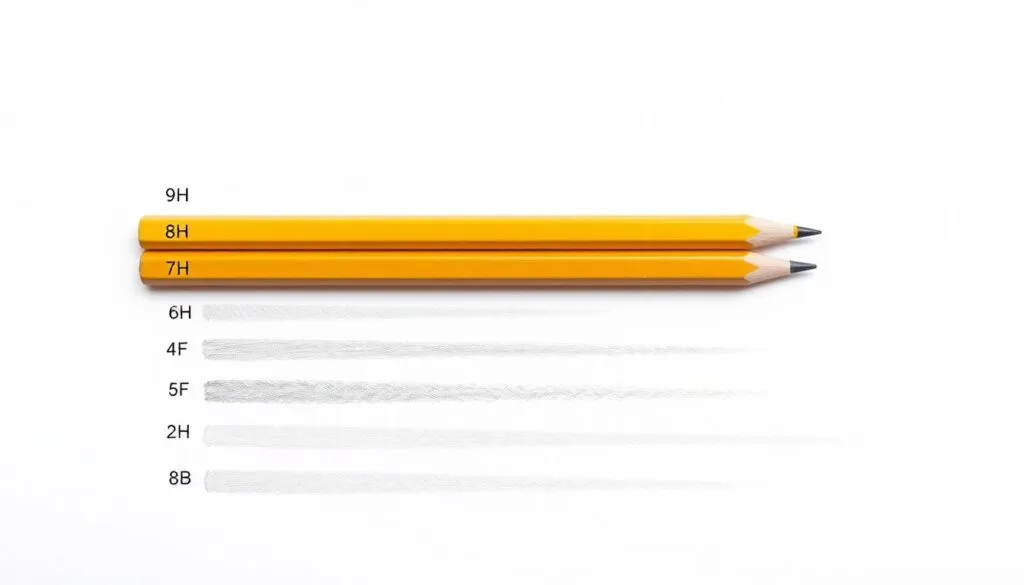
While this guide focuses on graphite sketch pencils, it’s worth understanding how they differ from colored pencils:
Graphite Sketch Pencils
- Made of graphite and clay mixture
- Create grayscale marks from light gray to deep black
- Ideal for realistic drawing, shading, and detailed work
- Easier to erase and correct
- Great for beginners learning fundamental techniques
Colored Pencils
- Made of wax or oil-based colored pigments
- Create vibrant, colorful artwork
- Require understanding of color theory
- More challenging to erase or correct
- Often used after mastering graphite techniques
The Importance of Pencil Sketching
Benefits of Pencil Sketch Drawing
Pencil sketching is more than just a creative outlet—it’s a fundamental skill that benefits artists of all levels. Here’s why mastering pencil sketching is worth your time:
Develops Observation
Sketching trains your eye to notice details, proportions, and relationships between objects—a skill that transfers to all art forms.

Builds Technical Foundation
Mastering pressure control, line quality, and shading with pencils creates skills that transfer to all other art mediums.
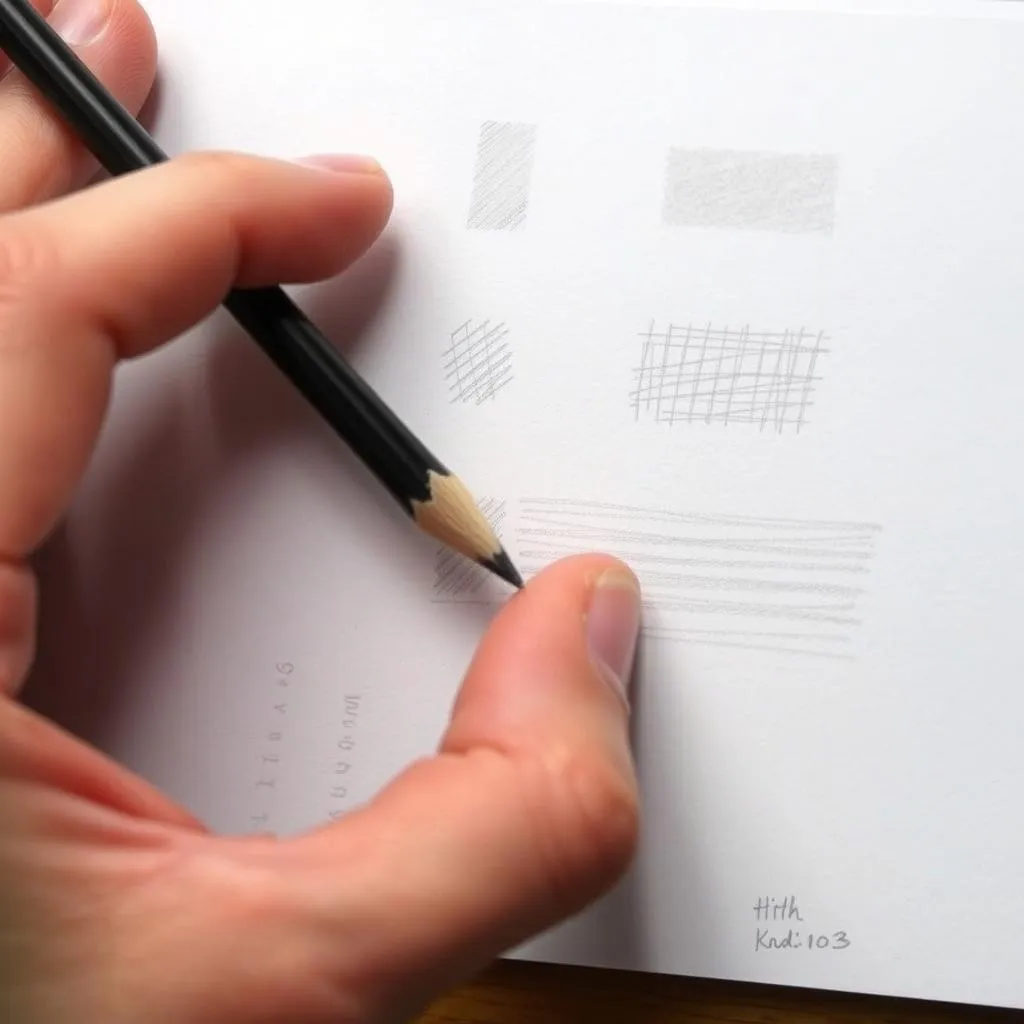
Accessibility
Requires minimal investment and setup—just a pencil and paper—making it perfect for beginners in India looking to start their artistic journey.

Beyond these core benefits, pencil sketching is also highly portable, forgiving (easy to erase), and allows for a wide range of expression from photorealistic details to loose, expressive marks. It’s the perfect medium for beginners to build confidence before exploring more complex art forms.
Mastering the Art of a Pencil Sketch of Girl
Portrait sketching, particularly of faces, is one of the most popular and rewarding subjects for artists. Creating a pencil sketch of a girl or any portrait requires understanding specific techniques:
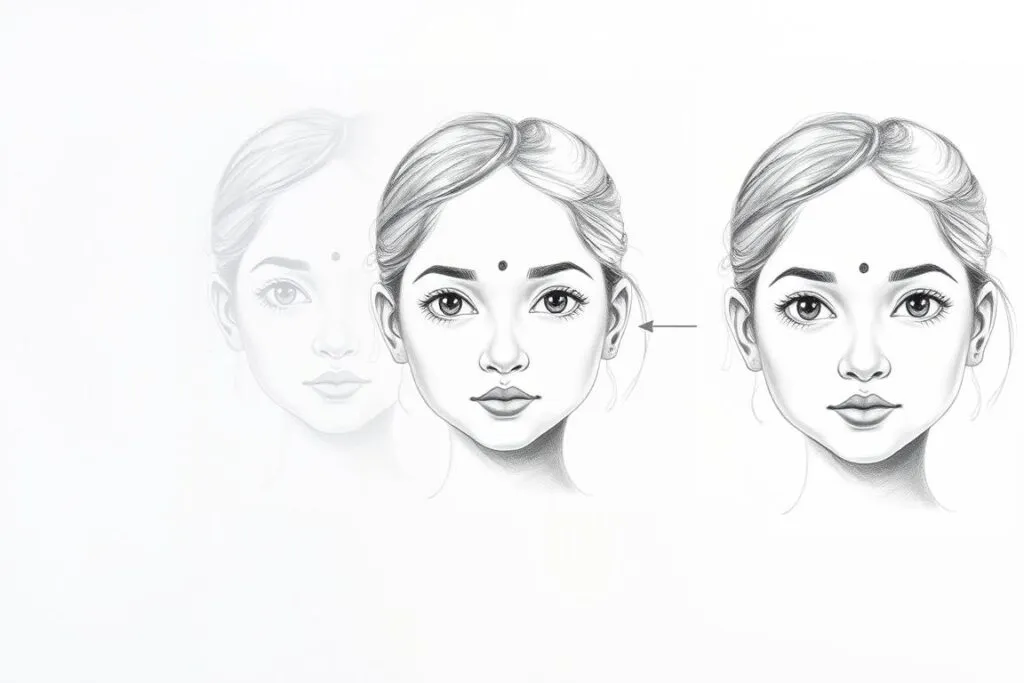
Key Portrait Techniques
- Start with light outlines using harder pencils (H or HB)
- Map facial proportions correctly (eyes typically fall at the halfway point of the head)
- Build form gradually, moving from light to dark
- Use softer pencils (4B-6B) for deeper shadows and hair
- Pay special attention to the eyes—they create life in the portrait
Common Challenges
- Achieving likeness and proportions
- Creating realistic hair textures
- Rendering skin tones with graphite
- Capturing expression and emotion
- Avoiding smudging completed areas
Perfect Your Portrait Skills
Choosing the Right Sketch Pencils
Factors to Consider
Selecting the right sketch pencils can significantly impact your drawing experience and results. Here are the key factors to consider when making your purchase:
Quality
Professional-grade pencils offer better performance with smoother application, consistent color, and less breakage. For beginners in India, brands like Apsara, Camlin, and SYGA offer good quality at accessible prices.
Grade Range
Consider the type of artwork you want to create. For general sketching, a set with HB, 2B, 4B, and 6B covers most needs. For detailed work, include harder grades like H and 2H. For deep shading, add 8B or 9B.
Budget
Pencil prices vary widely in India. Student-grade sets (₹100-300) are perfect for beginners, while mid-range options (₹300-800) offer better quality. Professional sets (₹1000+) are an investment for serious artists.
Common Mistakes to Avoid
Even experienced artists can make these common mistakes when selecting and using sketch pencils:
Smart Choices
- Starting with a small set of essential grades
- Testing pencils before major purchases
- Considering paper compatibility
- Investing in quality gradually
- Learning proper sharpening techniques
Mistakes to Avoid
- Buying the largest set available as a beginner
- Ignoring pencil hardness labels
- Using inappropriate paper for your pencils
- Pressing too hard with soft pencils
- Storing pencils improperly (leads can break)
Pro Tip: When starting out, invest in a small set of quality pencils rather than a large set of lower quality. A set with HB, 2B, 4B, and 6B will cover most of your sketching needs as a beginner.
Find Your Perfect Pencil Set
Browse our selection of beginner-friendly sketch pencil sets at special prices.
Easy Pencil Sketch Techniques for Beginners
Simple Sketch Exercises
Building your sketching skills requires practice. These beginner-friendly exercises will help you develop control and confidence with your sketch pencils:

Line Control
Practice drawing straight lines, curved lines, and circles freehand. Start with light pressure using an HB sketch pencils, then experiment with different pressures and grades.

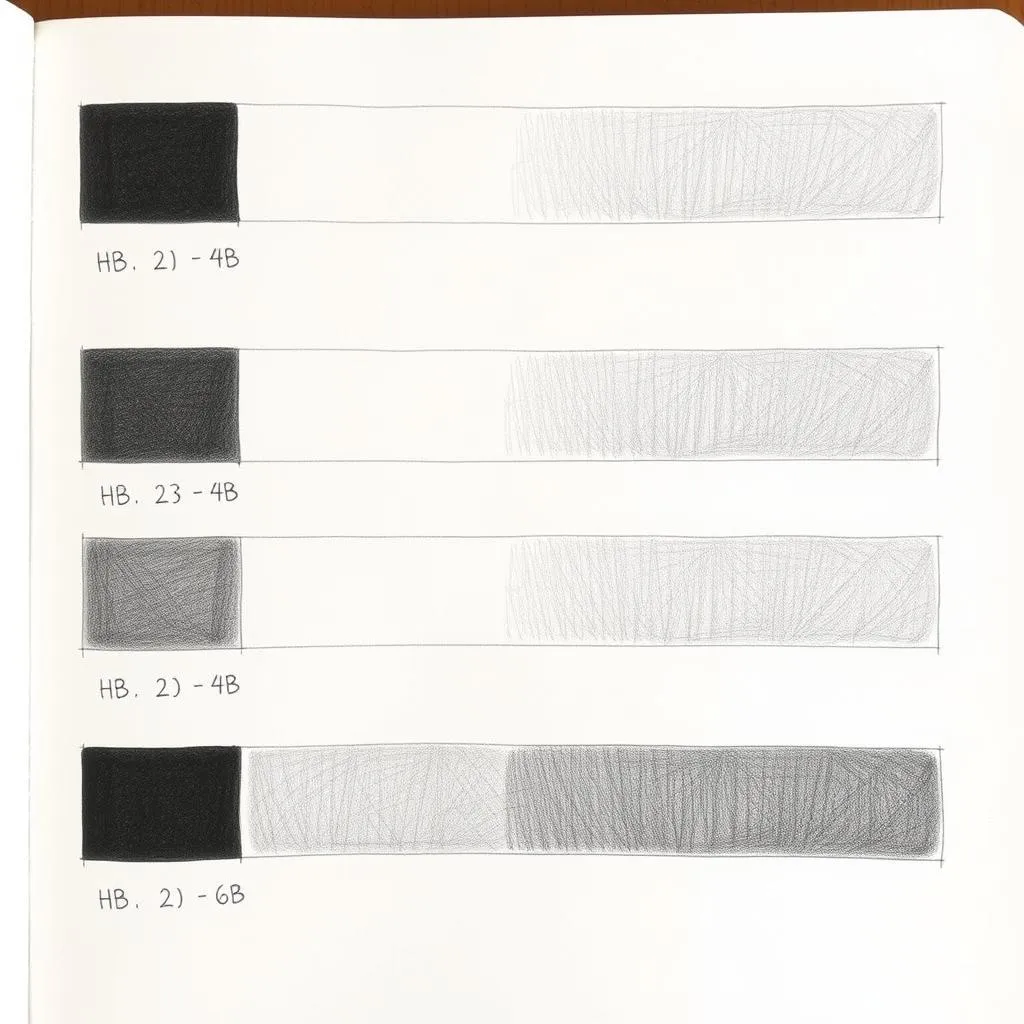
Value Scales
Create a gradient from light to dark using a single pencil grade. Then try creating the same gradient using different sketch pencils grades (HB through 6B).
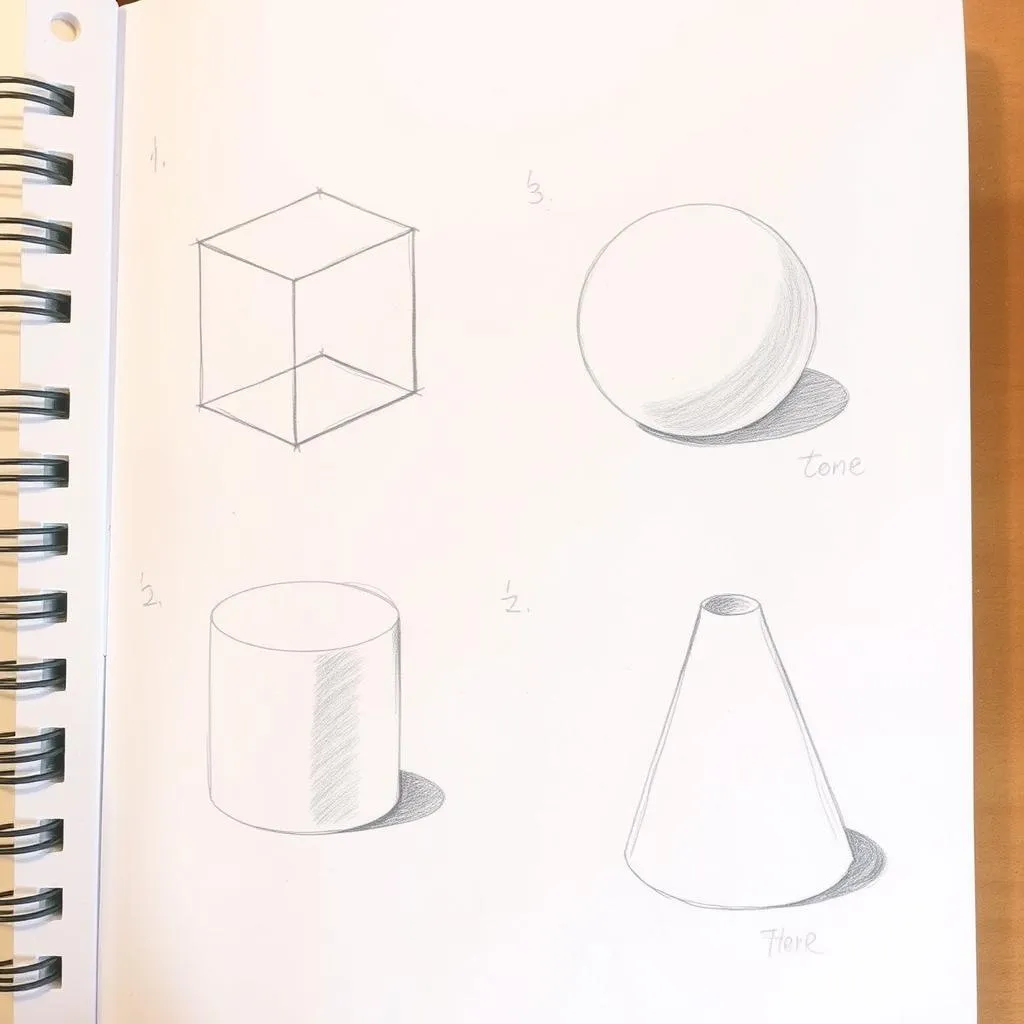
Basic Shapes
Practice drawing and shading basic 3D shapes (cubes, spheres, cylinders, cones) to understand how light affects form and creates dimension.
Step-by-Step Guide: Creating an Easy Pencil Sketch
Follow this simple process to create a basic still life sketch, perfect for beginners:

- Gather materials: HB, 2B, and 4B pencils, paper, eraser, and a simple object to draw (fruit, cup, or small box)
- Observe your subject: Spend time looking at the object, noting its basic shapes and proportions
- Block in basic shapes: Using an HB pencil with light pressure, sketch the basic geometric forms
- Refine the contours: Gradually add more accurate outlines, still keeping your lines light
- Establish values: Identify the light source and add basic shadows with a 2B pencil
- Develop shading: Use a 4B pencil for darker areas, building up tone gradually
- Add details and refine: Focus on smaller details and textures
- Final touches: Strengthen dark areas if needed and ensure smooth transitions between tones
Remember: The key to improvement is consistent practice. Try to sketch for at least 15-20 minutes daily, focusing on observation and technique rather than creating perfect drawings.
How do I prevent my pencil from smudging?
To prevent smudging, place a clean sheet of paper under your hand while drawing, use a fixative spray when finished, and store completed drawings with protective sheets. You can also work from left to right (if right-handed) to avoid dragging your hand over completed areas.
Which paper is best for sketch pencils?
For beginners in India, look for sketch paper with medium texture (tooth) and at least 100 GSM weight. Brands like Brustro, Canson, and Strathmore offer good options at various price points. Avoid very smooth paper as it doesn’t hold graphite well, and very rough paper can wear down pencils quickly.
How often should I sharpen my sketch pencils?
Sharpen your pencils as needed to maintain the desired line quality. For detailed work, keep a sharp point. For shading larger areas, a slightly blunter tip works better. Use a quality sharpener or craft knife to prevent lead breakage, and consider rotating the pencil while drawing to maintain a consistent edge.
Conclusion
Summary of Key Points
As we’ve explored throughout this guide, sketch pencils are versatile tools that form the foundation of any artist’s journey. Remember these key takeaways:
- Understand the grading system (H to B) to select the right pencils for your needs
- Start with a small set of essential grades before expanding your collection
- Consider quality, consistency, and your budget when purchasing sketch pencils
- Regular practice with basic exercises builds fundamental skills
- Experiment with different techniques to discover your personal style
Encouragement to Start Sketching
The journey of artistic growth begins with a single line. Don’t be intimidated by the work of experienced artists—everyone starts as a beginner. The most important step is to begin practicing regularly with the knowledge you’ve gained about sketch pencils.
Remember that each drawing is a learning opportunity, not a test of perfection. Embrace the process, be patient with yourself, and enjoy watching your skills develop over time. The right sketch pencils are waiting to help you express your unique artistic vision—all you need to do is pick them up and start drawing.