
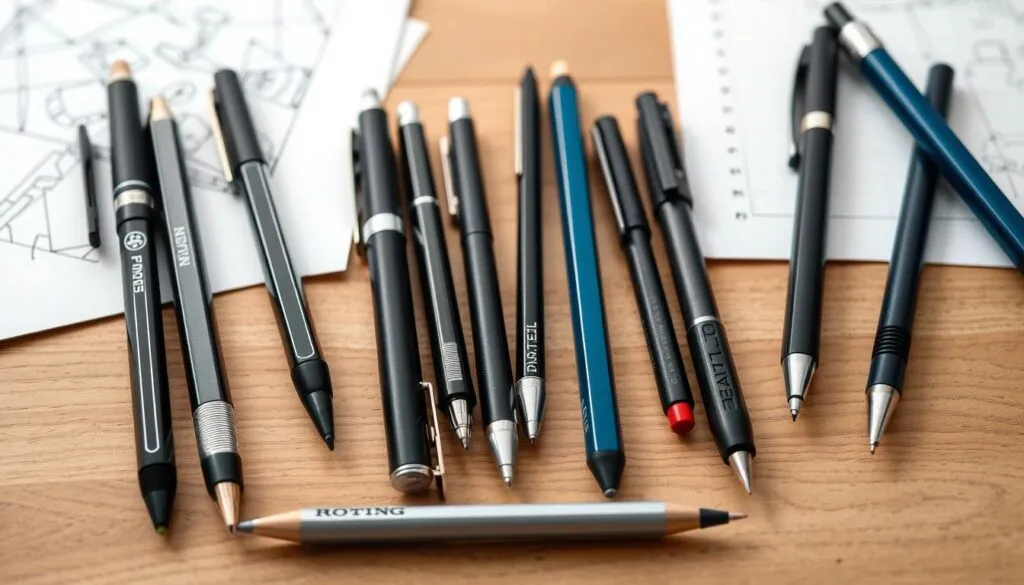
Mechanical pencils combine precision, convenience, and sustainability in a way that traditional wooden pencils simply can’t match. Whether you’re a student, artist, architect, or office professional, finding the right mechanical pencil can significantly improve your writing and drawing experience. In this comprehensive guide, we’ll explore everything you need to know about mechanical pencils, from their fascinating history to the factors that should influence your purchasing decision.
Different types of mechanical pencils for various writing and drawing needs
What Are Mechanical Pencils?
Mechanical pencils are writing instruments that use replaceable lead refills instead of requiring sharpening. Unlike traditional wooden pencils that gradually shorten with use, mechanical pencils maintain their length and balance throughout their lifespan. They feature a mechanism—typically a click button or twist action—that advances the lead as needed.
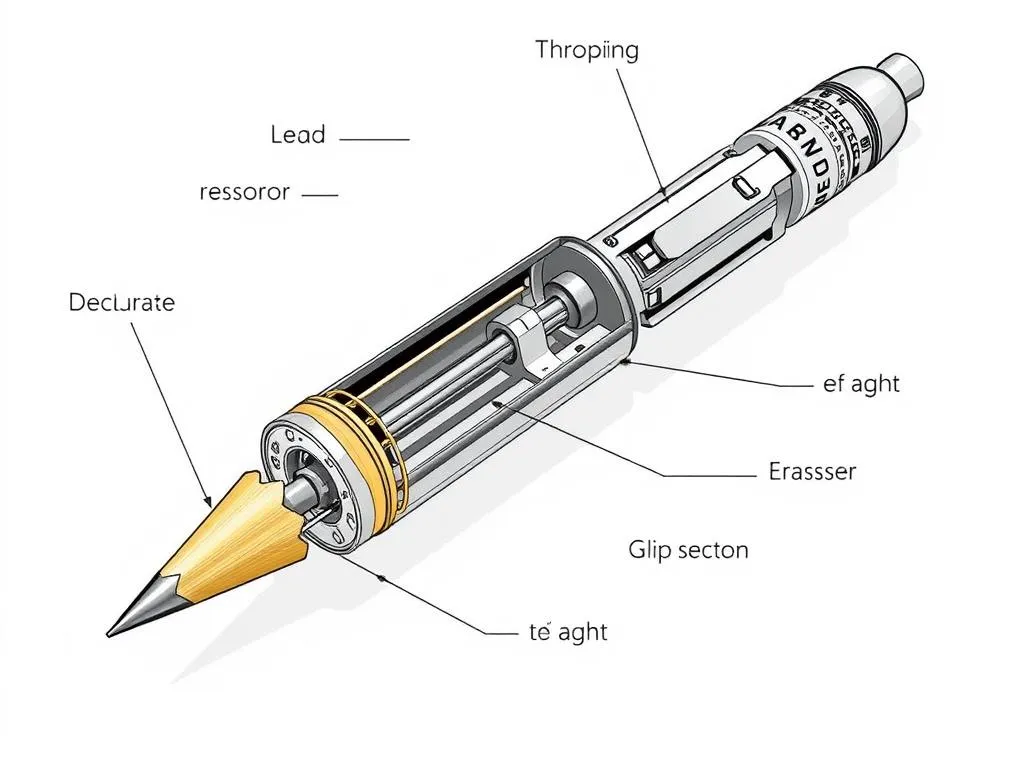
Internal components of a standard mechanical pencil
History of Mechanical Pencils
The concept of a refillable pencil dates back to the 18th century, but the modern mechanical pencil as we know it today began taking shape in the early 20th century. The first patent for a mechanical pencil was issued in 1822 to Sampson Mordan and John Isaac Hawkins in Britain. By the 1920s, companies like Eversharp and Scripto had popularized mechanical pencils in America, while Japanese brands later revolutionized the market with innovations in lead advancement mechanisms and lead sizes.
Today, mechanical pencils have evolved into sophisticated writing instruments with specialized features for different applications, from everyday writing to technical drawing and artistic creation.
Types of Mechanical Pencils
Mechanical pencils come in various designs, each with unique mechanisms and features suited for different purposes:
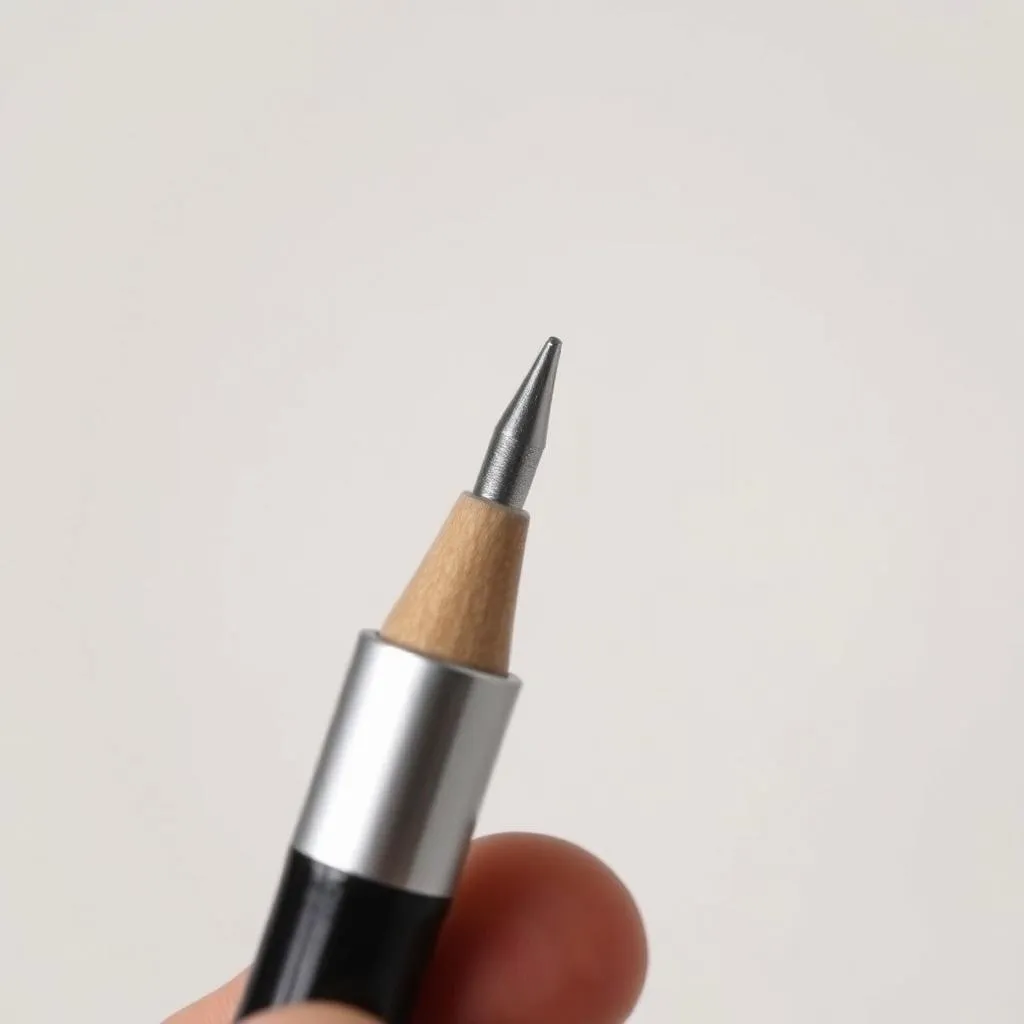
Click Mechanism
The most common type featuring a push-button at the top that advances the lead when clicked. These are popular for everyday writing and offer convenience and reliability.
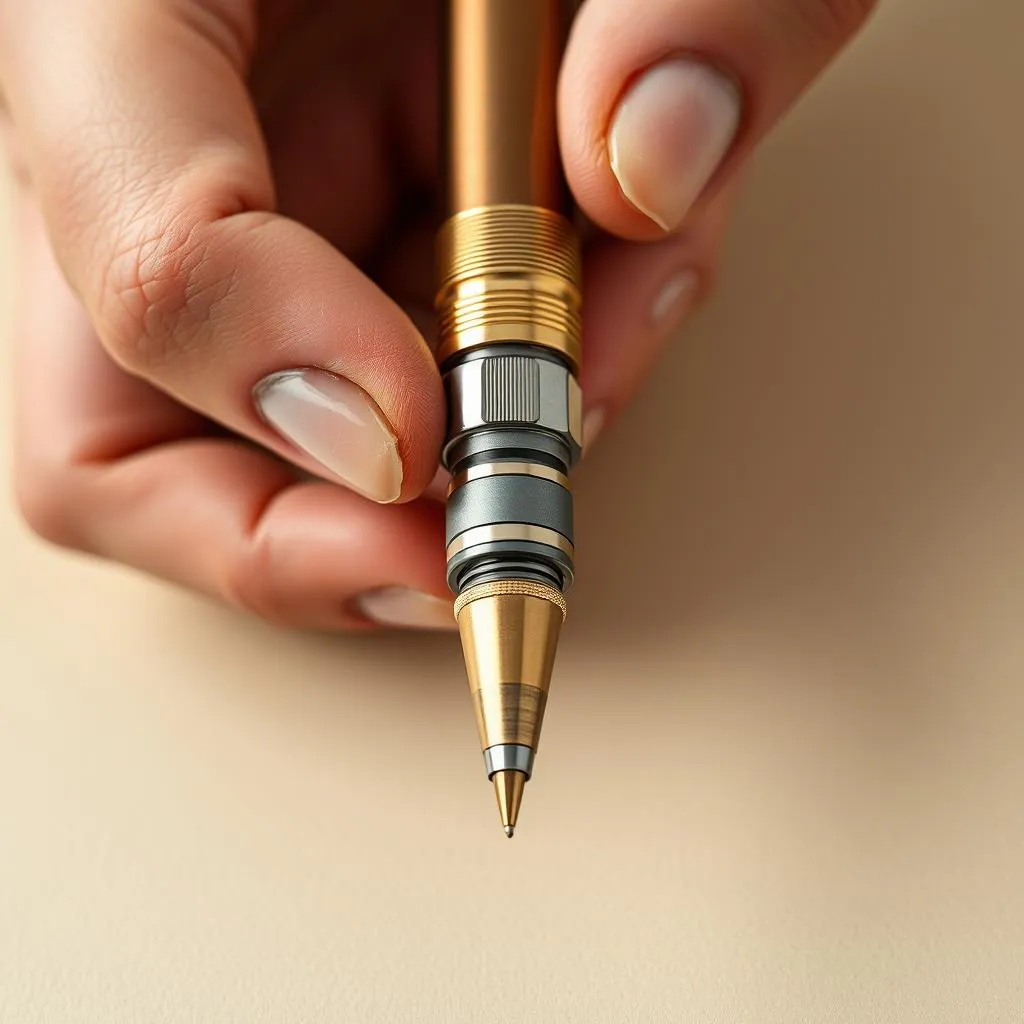
Twist Mechanism
Features a rotating barrel that advances the lead when twisted. These often have a more elegant design and are popular in higher-end models for professionals.
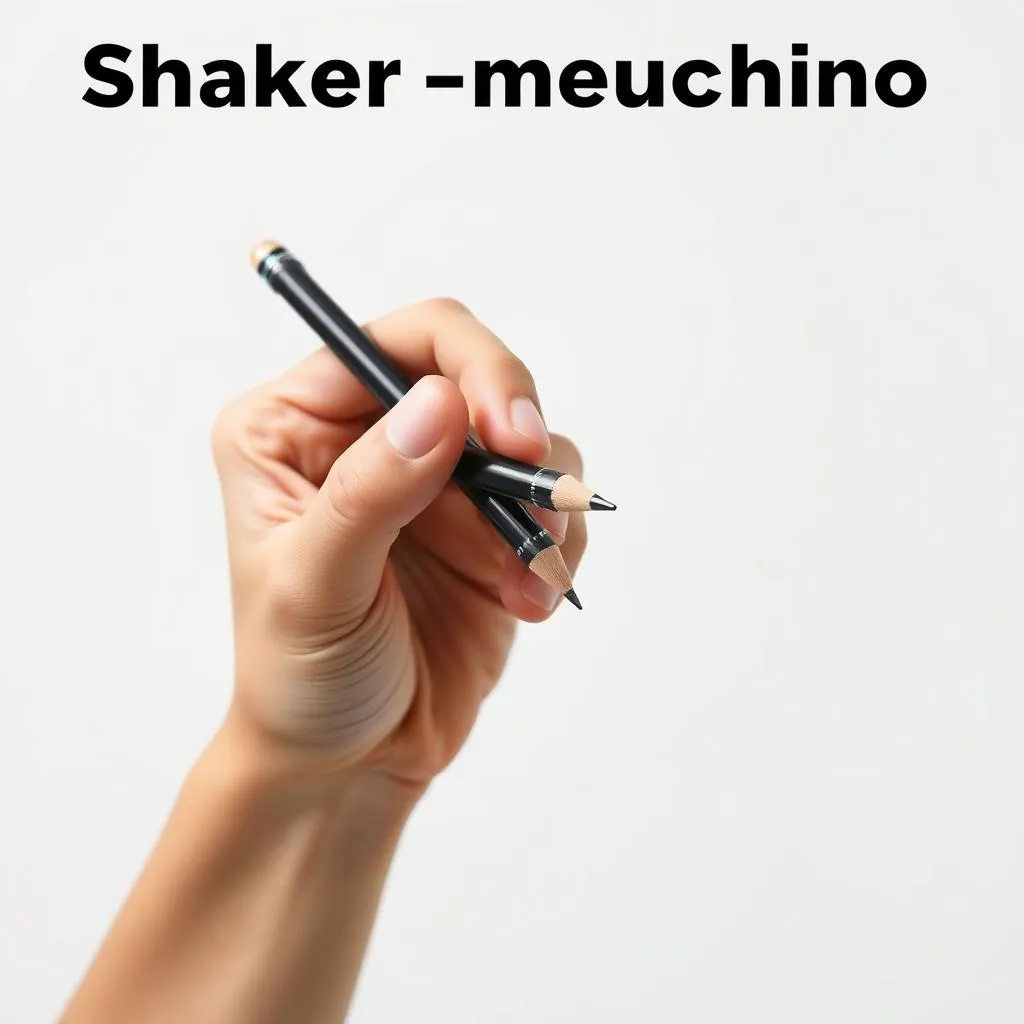
Shaker Mechanism
Advances lead when the pencil is shaken or tapped. Popular among students and artists who need to quickly advance lead while working.
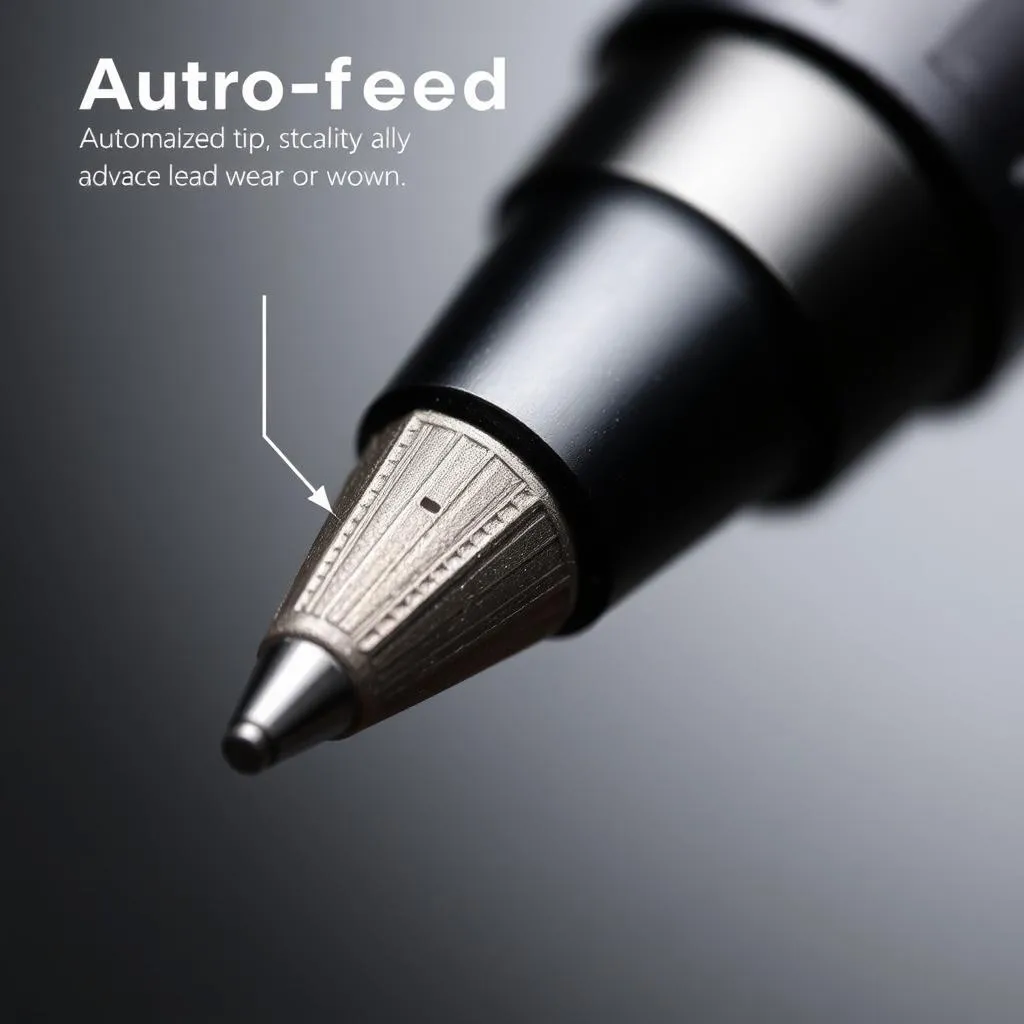
Auto-Feed
Automatically advances lead as it wears down, maintaining a consistent lead length. Ideal for continuous writing or drawing sessions.
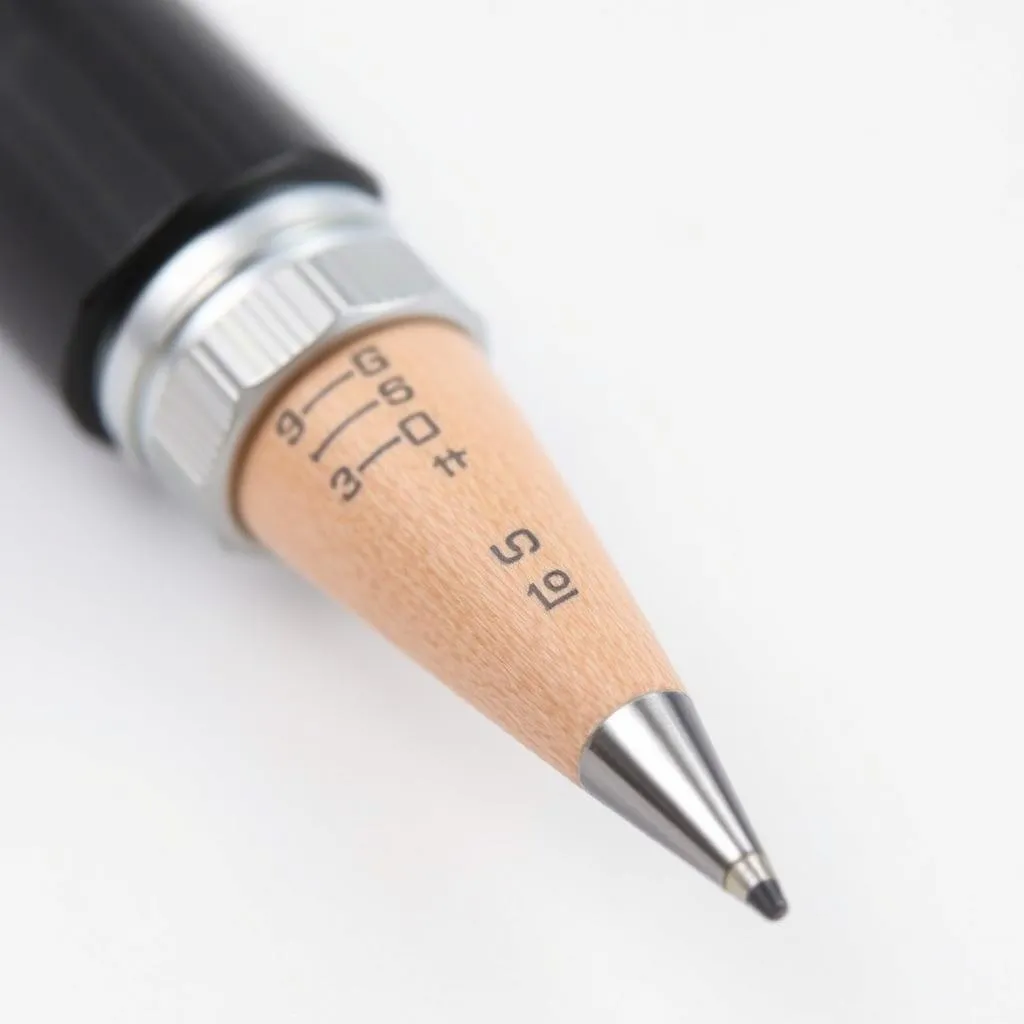
Drafting Pencils
Specialized for technical drawing with a fixed lead sleeve, precise balance, and often include features like lead grade indicators and knurled grips.
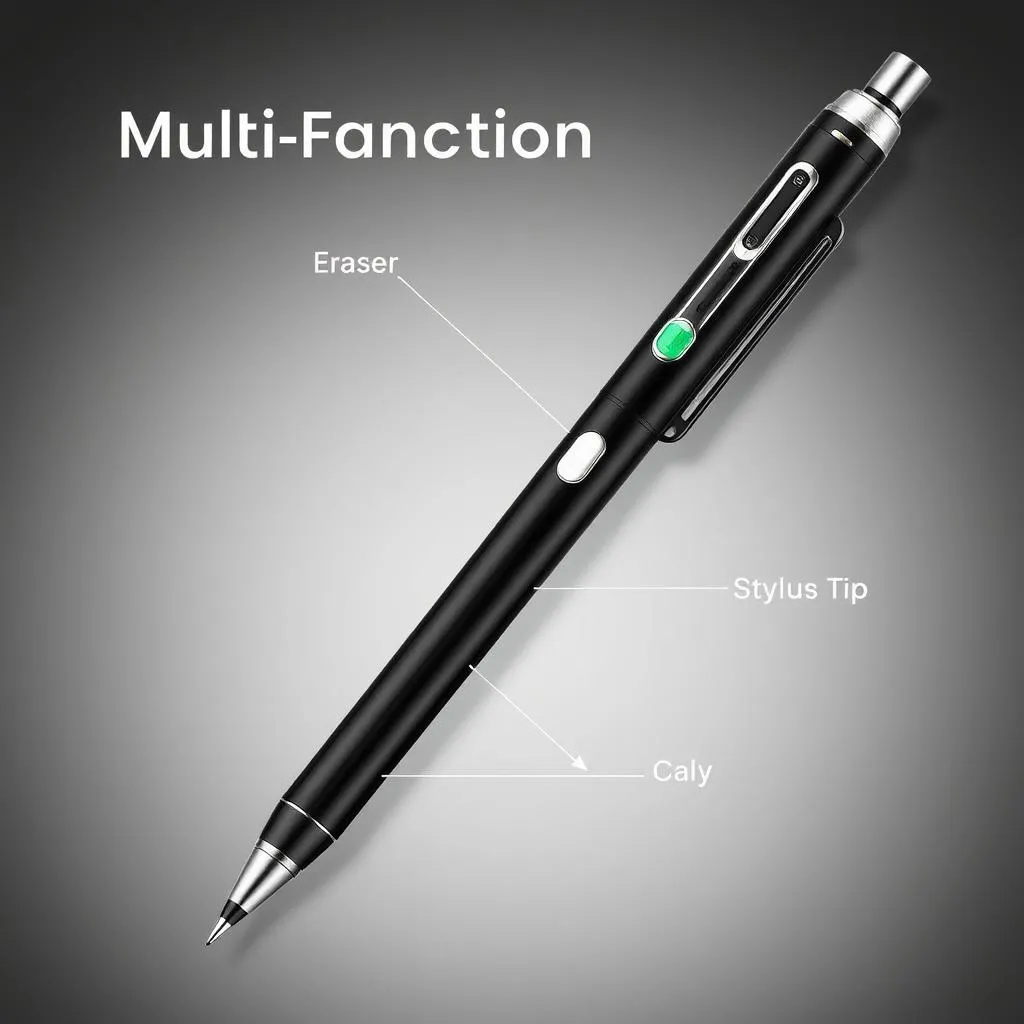
Multi-Function
Combines a mechanical pencil with other tools like erasers, stylus tips, or even pens in the same body. Perfect for professionals who need versatility.
Find Your Perfect Type
Not sure which mechanism suits your needs? Explore our collection of mechanical pencils across all types and discover the perfect match for your writing style.
Benefits of Using Mechanical Pencils
Precision and Consistency
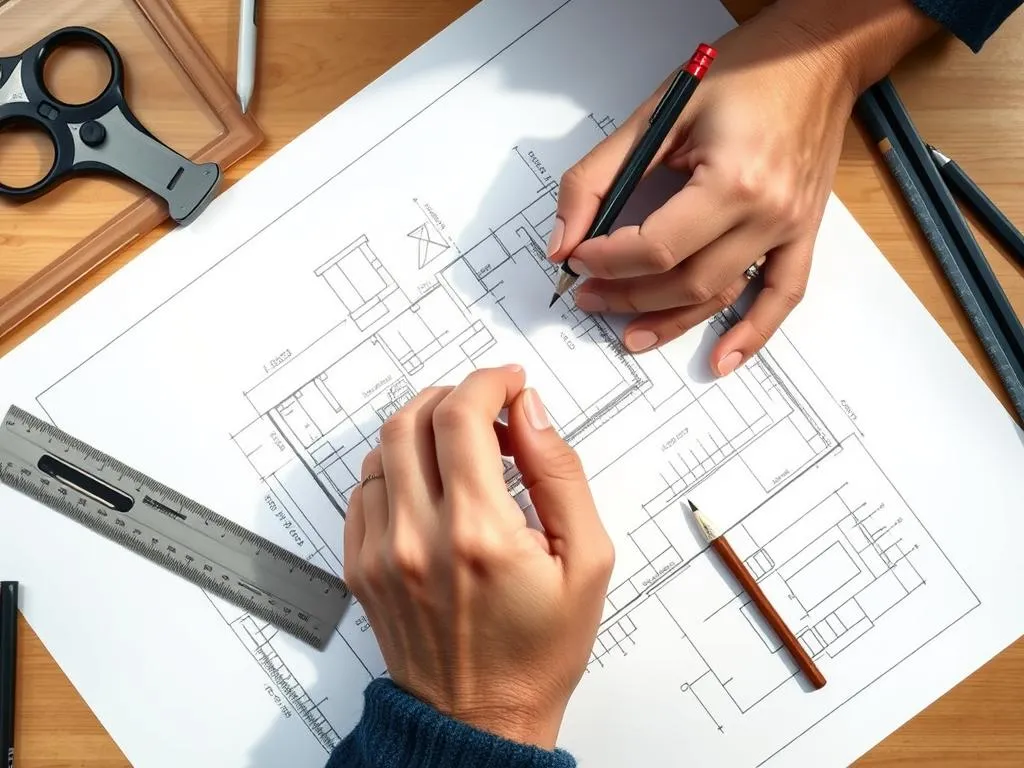
One of the most significant advantages of mechanical pencils is their ability to maintain a consistent line width. Unlike traditional pencils that gradually become blunter with use, mechanical pencils deliver the same line thickness throughout your writing or drawing session. This consistency is particularly valuable for:
- Technical drawing and drafting where precision is crucial
- Mathematical calculations and formulas that require clarity
- Detailed artistic work that demands control over line weight
- Writing in small spaces or creating detailed notes
The fixed lead diameter (typically available in 0.3mm, 0.5mm, 0.7mm, 0.9mm, and 2.0mm) ensures predictable results every time you put pencil to paper.
Environmental and Economic Benefits
Mechanical pencils offer significant sustainability advantages over traditional wooden pencils:
- Reduced wood consumption as only the lead needs replacement
- Less waste generated over time compared to disposable pencils
- Lower lifetime cost despite higher initial investment
- No sharpening waste or need for sharpeners
- Durable construction that can last for years or even decades
A quality mechanical pencil can serve as a long-term writing companion, reducing the environmental impact of constantly replacing wooden pencils. Many users find that a single mechanical pencil can replace dozens of traditional pencils over its lifetime.
Comfort and Ergonomics
Modern mechanical pencils are designed with ergonomics in mind:
- Cushioned grips that reduce writing fatigue
- Balanced weight distribution for comfortable extended use
- Variety of barrel thicknesses to suit different hand sizes
- Clip features for convenient carrying in pockets or notebooks
Versatility and Customization
Mechanical pencils offer unmatched versatility:
- Ability to switch between lead hardnesses (HB, 2B, etc.) in the same pencil
- Options for different lead diameters based on the task
- Erasers that can be replaced when worn out
- Wide range of styles from functional to luxury designs
Experience the Benefits Yourself
Ready to upgrade your writing experience? Discover how a quality mechanical pencil can transform your daily writing, drawing, or drafting tasks.
Factors to Consider When Choosing a Mechanical Pencil
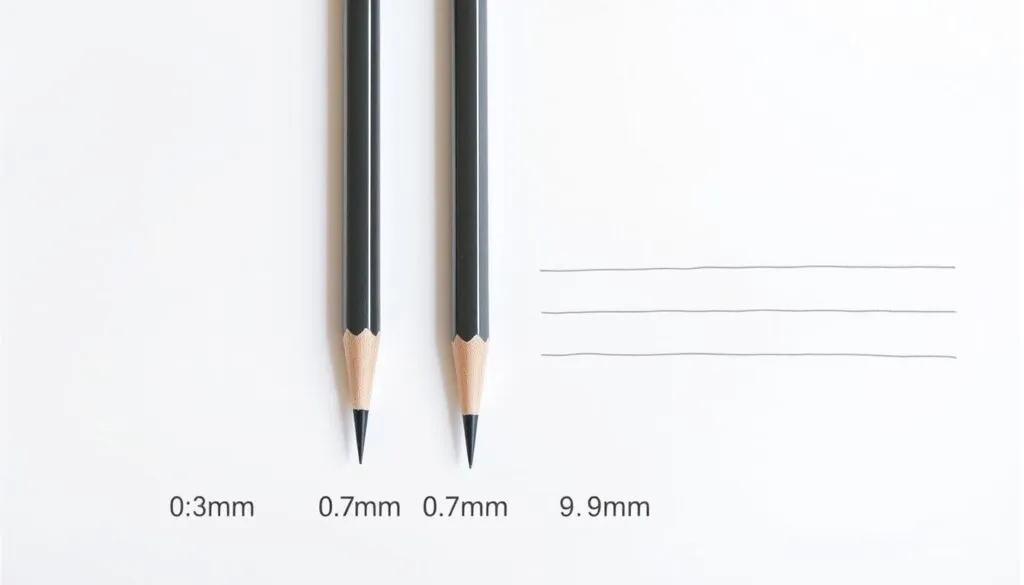
Comparison of different lead sizes: 0.3mm, 0.5mm, 0.7mm, 0.9mm, and 2.0mm
Lead Size and Type
The lead diameter is perhaps the most crucial factor in selecting a mechanical pencil, as it directly affects your writing or drawing experience:
| Lead Size | Best For | Characteristics |
| 0.3mm | Extremely detailed technical drawings, fine art details | Very fine lines, fragile lead that requires light pressure |
| 0.5mm | General writing, detailed sketching, technical work | Versatile size, good balance of precision and durability |
| 0.7mm | Everyday writing, note-taking, general sketching | Less prone to breaking, smooth writing experience |
| 0.9mm | Bold writing, sketching, marking | Sturdy lead, creates darker lines with less pressure |
| 2.0mm | Artistic shading, bold sketching, drafting | Very durable, can be sharpened to a point, versatile for art |
Beyond size, consider lead hardness grades (from 6B very soft to 4H very hard). Softer leads (B grades) create darker lines but wear down faster, while harder leads (H grades) last longer but produce lighter lines.
Grip and Comfort
For extended writing or drawing sessions, the grip design becomes increasingly important:
- Rubber or silicone grips provide cushioning and prevent slipping
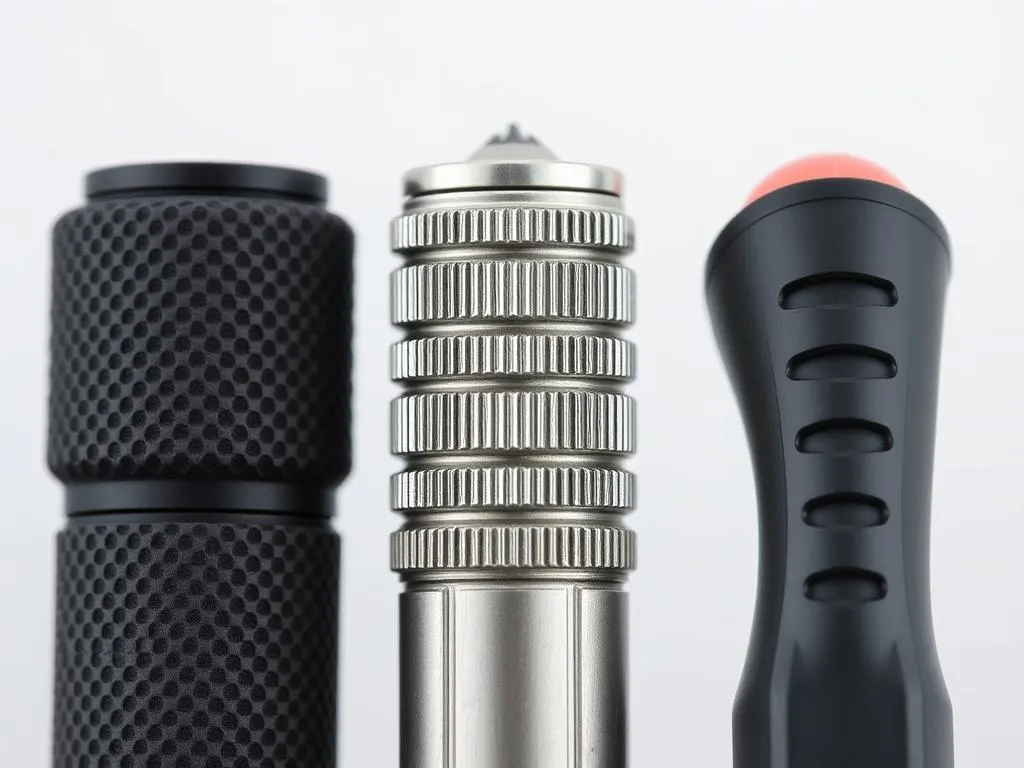
- Knurled metal grips offer precision control for technical work
- Ergonomic contoured grips reduce hand fatigue
- Barrel diameter affects how the pencil feels in your hand
If you have specific conditions like arthritis or experience hand fatigue, look for pencils with wider barrels and cushioned grips specifically designed for comfort.
Barrel Material and Build Quality
The material of your mechanical pencil affects both its durability and writing experience:
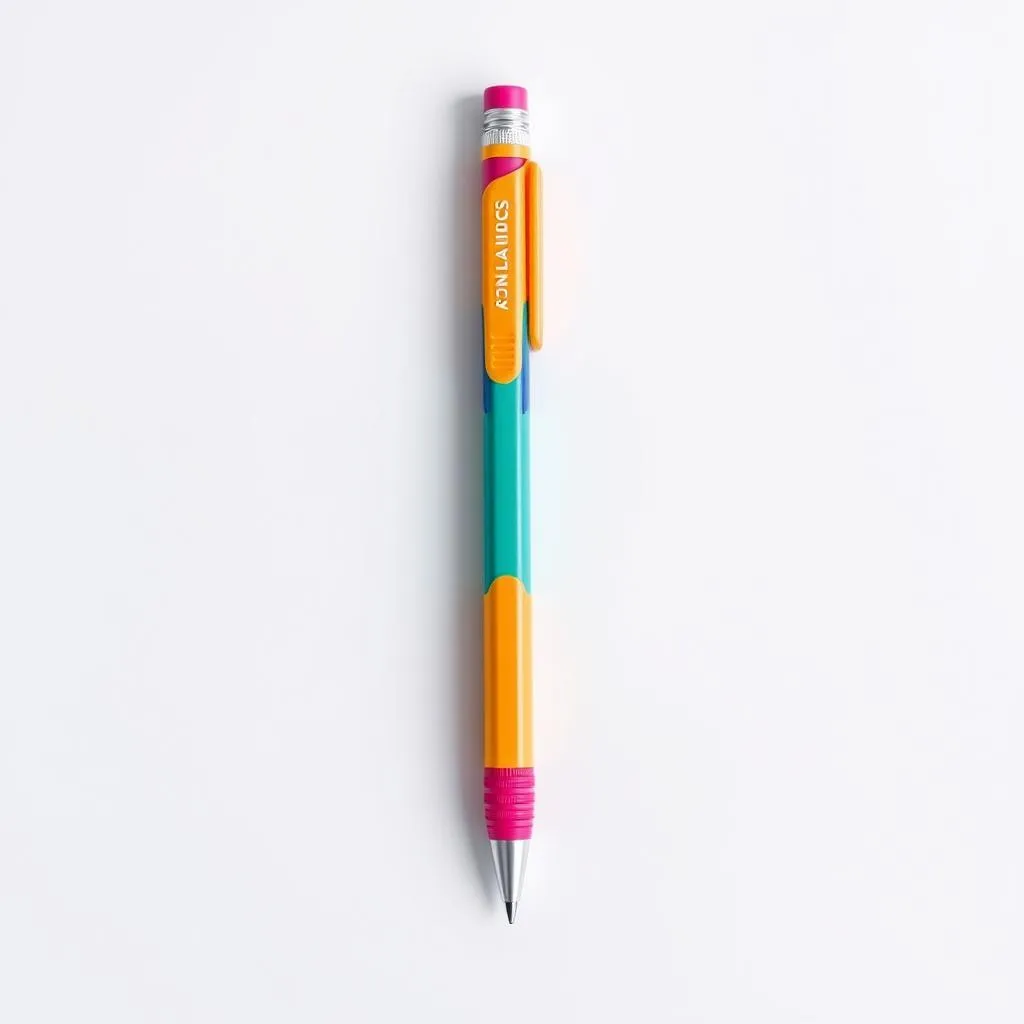
Plastic
Lightweight and affordable, plastic pencils are popular for everyday use, especially among students. They offer a wide range of colors and designs but may not be as durable as other materials.
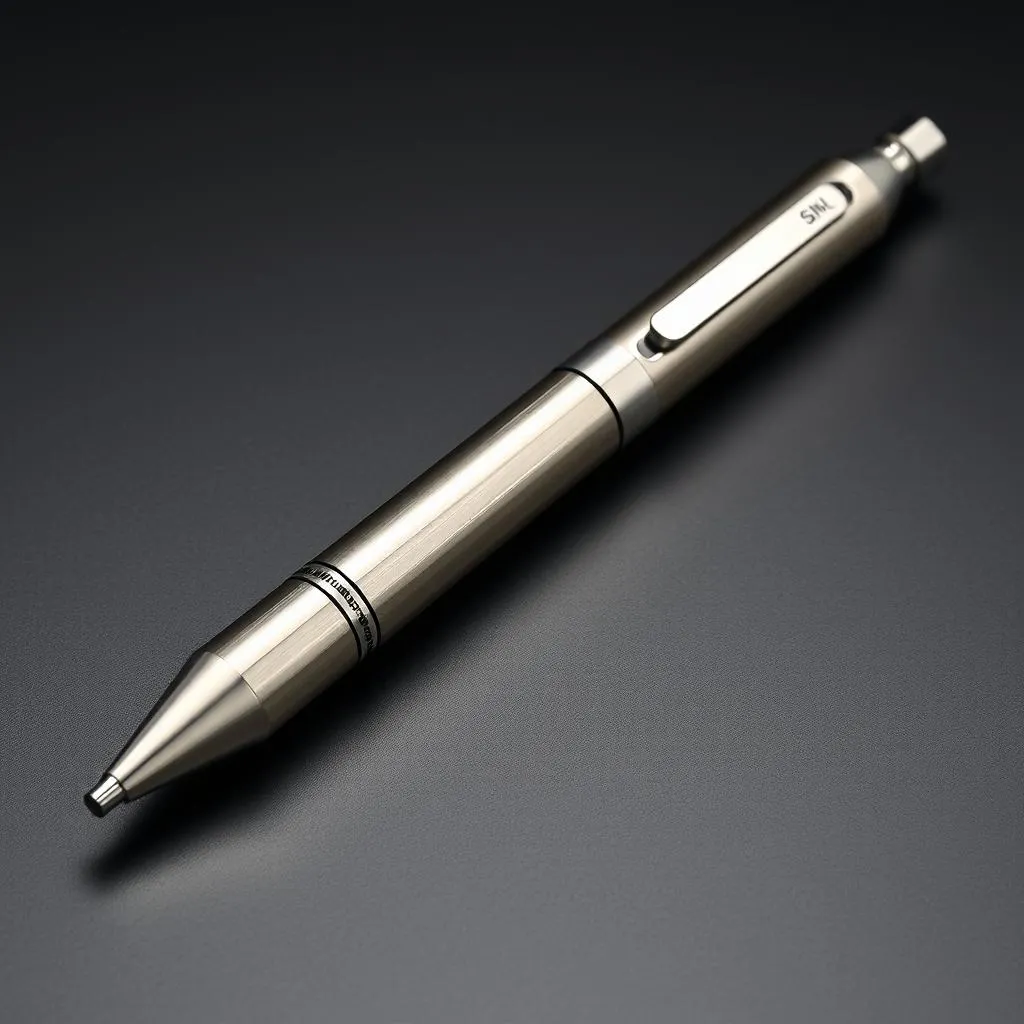
Metal
Provides substantial weight and durability. Metal pencils offer excellent balance and a premium feel. Popular among professionals and those seeking a long-lasting writing instrument.
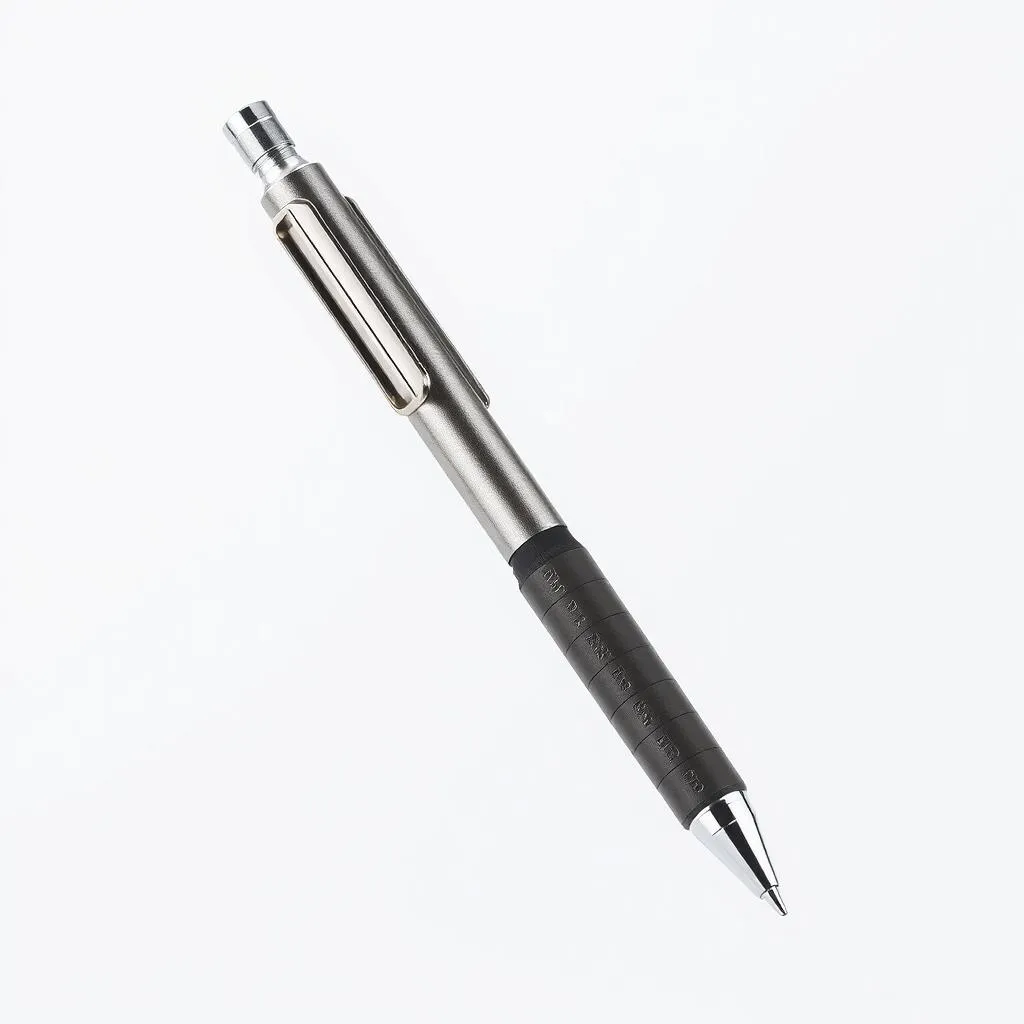
Composite
Combines metal and plastic elements to balance weight, durability, and comfort. These pencils often feature metal barrels with plastic or rubber grip sections.
Find Your Perfect Match
With so many factors to consider, finding the right mechanical pencil can seem overwhelming. Our curated selection makes it easy to find the perfect match for your specific needs.
Best Mechanical Pencils on the Market
After extensive research and testing, we’ve identified the top mechanical pencils across different categories to help you make an informed decision based on your specific needs.
Flair Mechanical Pencil: A Unique Choice
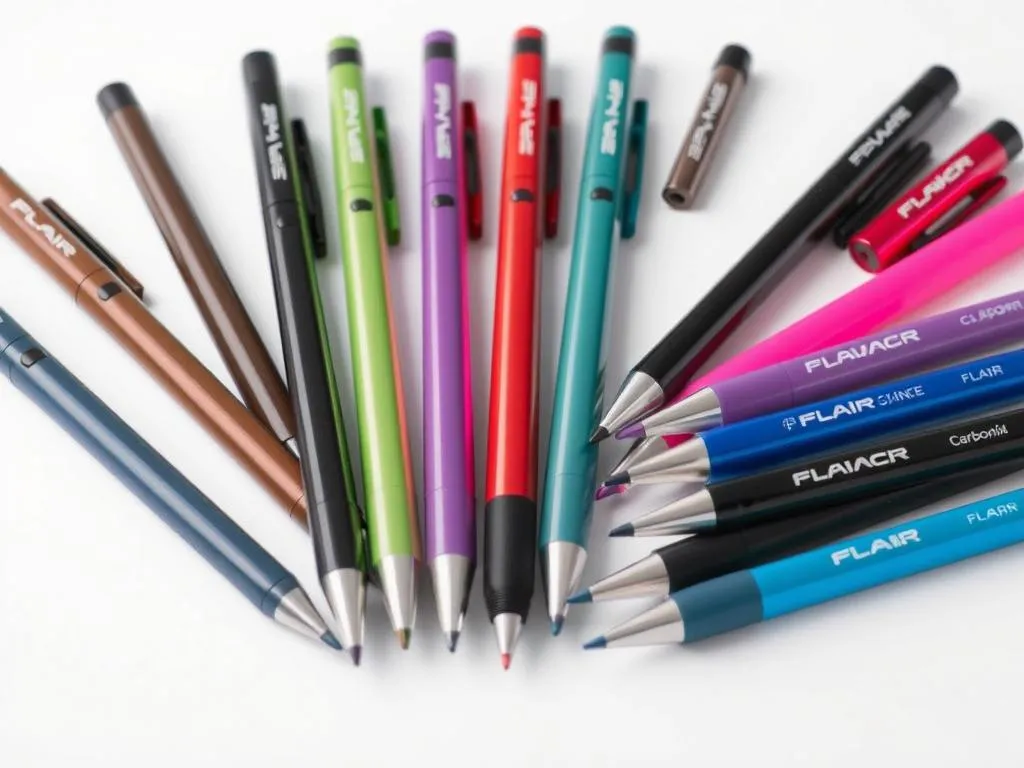
Flair mechanical pencils have gained popularity in India for their excellent balance of quality and affordability. The brand offers several noteworthy models:
- Flair Carbonix Neo (0.7mm): A lightweight, comfortable pencil perfect for students and everyday writing. Features a textured grip and reliable click mechanism.
- Flair Mark (0.7mm): Designed for precision writing with a slim profile and balanced weight distribution. Popular among students preparing for exams.
- Flair Move HX (2.0mm): Features extra dark 2B lead ideal for bold writing and sketching. Includes built-in sharpener for the thicker lead.
- Flair Creative Series: Colorful options with comfortable grips, perfect for students and creative professionals.
Flair mechanical pencils stand out for their reliability, affordable price point (starting at just ₹10), and wide availability across India. They’re an excellent entry point for students transitioning from wooden pencils to mechanical options.
Experience the quality and affordability of Flair mechanical pencils for yourself.
Mechanical Pencil for Drawing
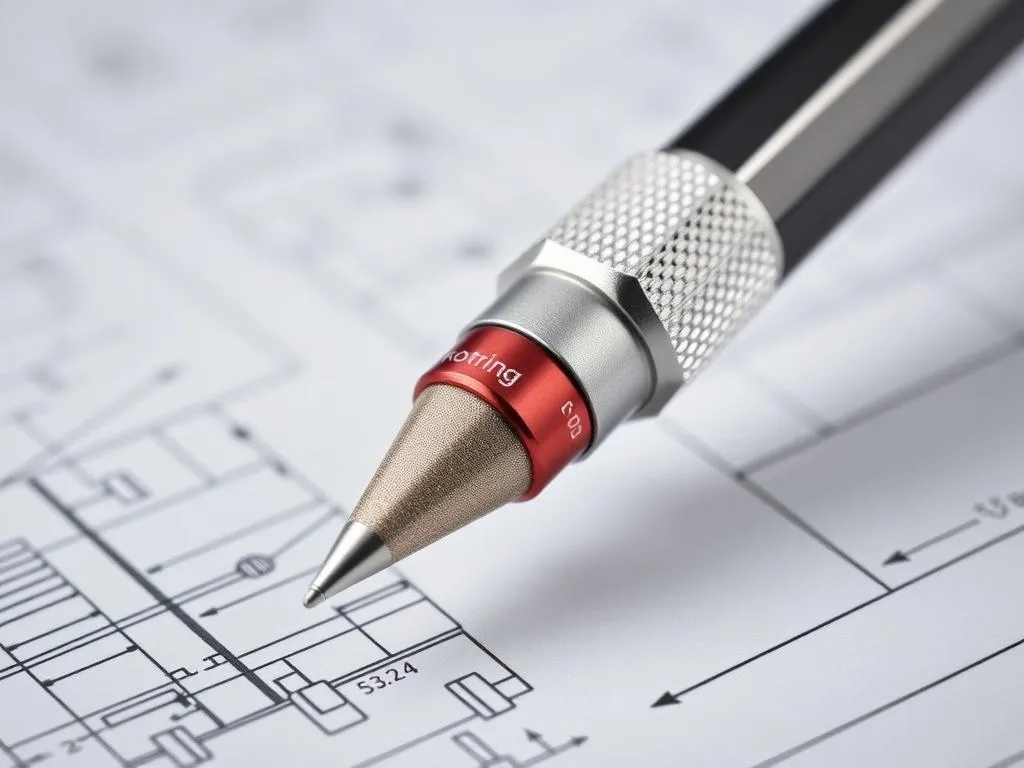
Rotring 600
The iconic Rotring 600 features a full metal hexagonal barrel, knurled grip, and precision-engineered lead advancement mechanism. Available in 0.5mm and 0.7mm, it’s the gold standard for technical drawing and drafting.
Pros
- Exceptional build quality
- Perfect weight balance
- Precise lead advancement
- Fixed lead sleeve for technical work
Cons
- Premium price point
- Heavier than plastic alternatives
- Fixed sleeve can be damaged if dropped
Price: ₹2,753 – ₹6,250
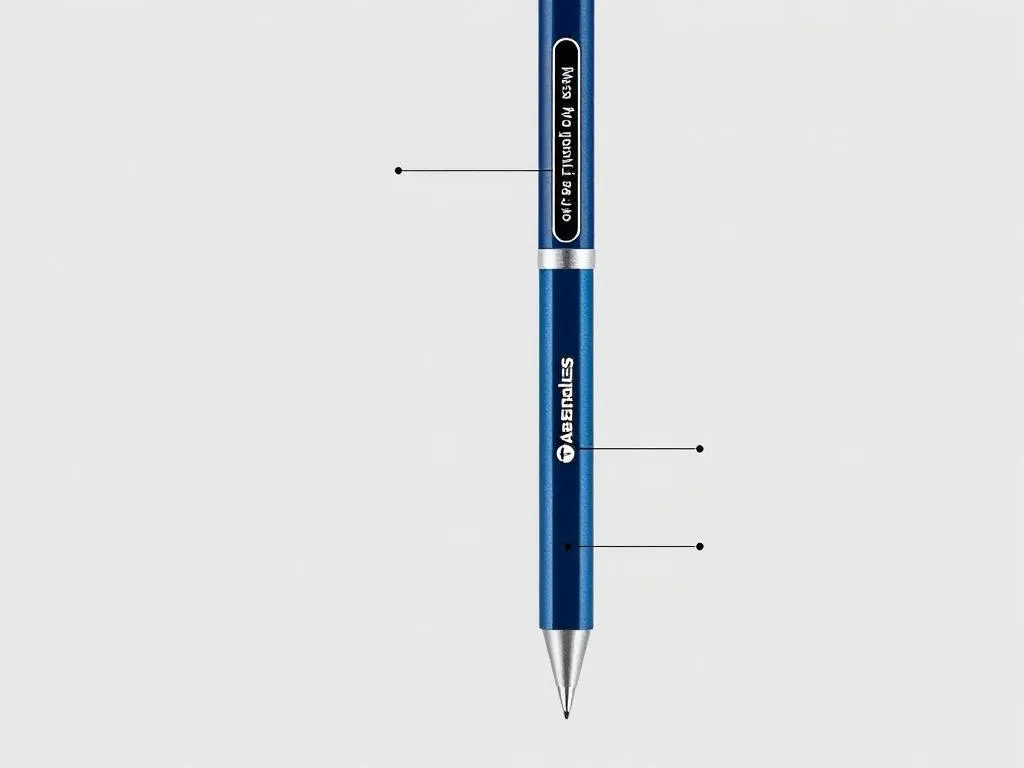
Staedtler Mars 780 Technical
A 2mm lead holder designed specifically for technical drawing and sketching. Features a built-in sharpener in the push-button cap and a lead hardness indicator. Perfect for artists who need variable line weights.
Pros
- Versatile 2mm lead for various techniques
- Built-in sharpener for convenience
- Lead hardness indicator
- Durable metal clip and tip
Cons
- Requires more frequent sharpening
- Bulkier than thinner lead models
- Learning curve for lead advancement
Price: ₹753
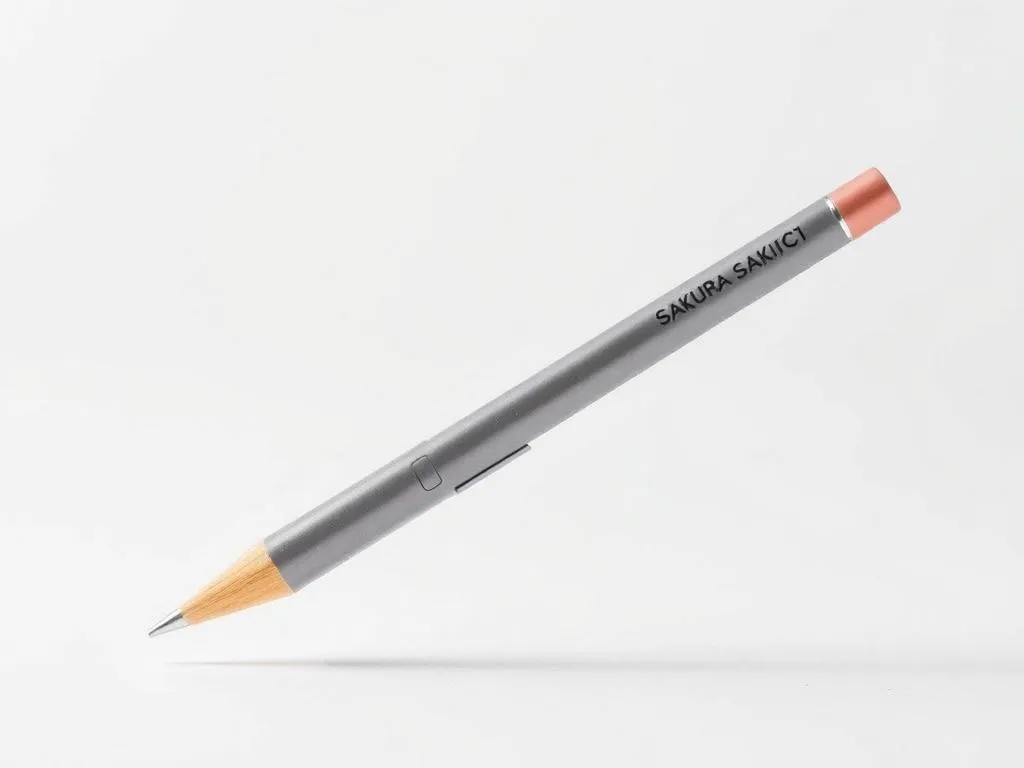
Sakura Cushioning Point
Features a unique shock-absorbing mechanism that reduces lead breakage during drawing. Available in ultra-fine 0.3mm and 0.5mm versions, it’s perfect for detailed illustration and technical drawing.
Pros
- Innovative cushioning mechanism
- Reduced lead breakage
- Ultra-fine line options
- Comfortable grip for extended use
Cons
- Specialized lead refills
- Limited color options
- Higher price than basic models
Price: ₹245 – ₹385
Find the Perfect Drawing Tool
Whether you’re creating technical drawings, illustrations, or sketches, the right mechanical pencil can elevate your artistic process.
Office Supplies: How Mechanical Pencils Fit In
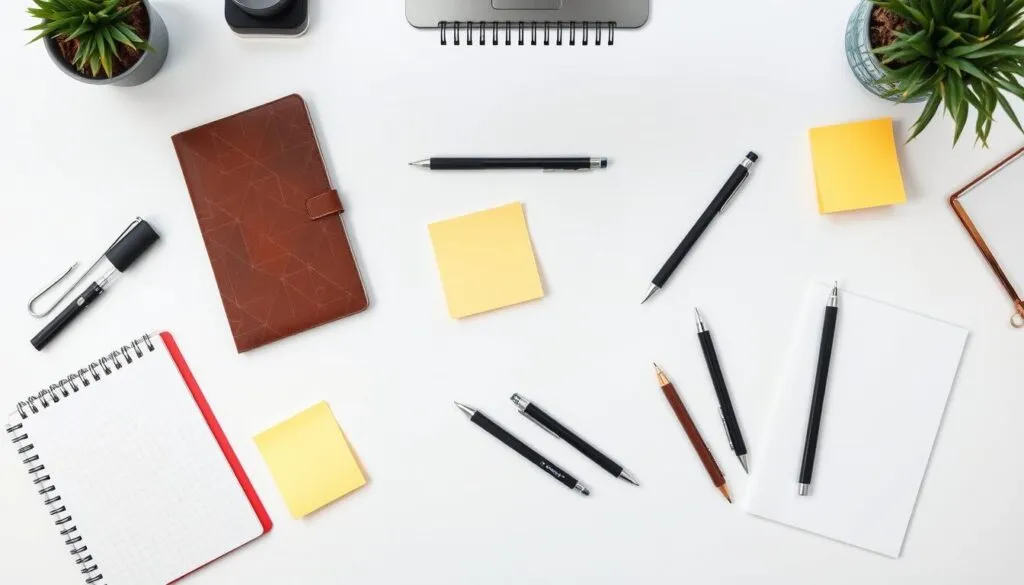
Mechanical pencils as essential components in a modern office setup
Integration with Other Office Tools
Mechanical pencils have become indispensable components of modern office supplies, complementing other writing and drawing instruments in professional settings:
- Notebooks and Planners: Mechanical pencils pair perfectly with premium notebooks and planners, allowing for clean writing that can be erased if needed.
- Technical Documents: For marking up technical documents or blueprints, mechanical pencils provide precision without damaging the paper.
- Drafting and Design: When used with rulers, templates, and other drafting tools, mechanical pencils enable precise technical drawing.
- Note-Taking Systems: Many professionals integrate mechanical pencils into their note-taking systems, using different lead sizes or colors for organization.
- Digital-Analog Workflows: Mechanical pencils bridge the gap between digital and analog work, perfect for sketching ideas before digital implementation.
- Presentation Materials: For annotating presentations or making quick corrections, mechanical pencils offer precision and erasability.
- Accounting and Financial Work: The ability to erase makes mechanical pencils ideal for financial calculations and accounting work.
- Creative Brainstorming: Many offices use mechanical pencils with sketchpads for brainstorming sessions and idea development.
Importance in the Workplace
The role of mechanical pencils in professional environments extends beyond simple writing tasks:
Productivity Enhancement
The consistency and reliability of mechanical pencils eliminate the interruption of sharpening, while their precision reduces errors. Many professionals report increased productivity when using quality mechanical pencils for their daily tasks.
Professional Impression
A quality mechanical pencil makes a subtle statement about attention to detail and professionalism. In client meetings or collaborative sessions, using premium writing instruments can enhance your professional image.
Sustainability Initiatives
As more companies implement sustainability programs, mechanical pencils support eco-friendly office initiatives by reducing waste compared to disposable writing instruments. Their longevity makes them excellent investments for environmentally conscious workplaces.
Upgrade Your Office Supplies
Enhance your workplace productivity and sustainability with quality mechanical pencils that complement your existing office supplies.
Tips and Tricks for Using Mechanical Pencils
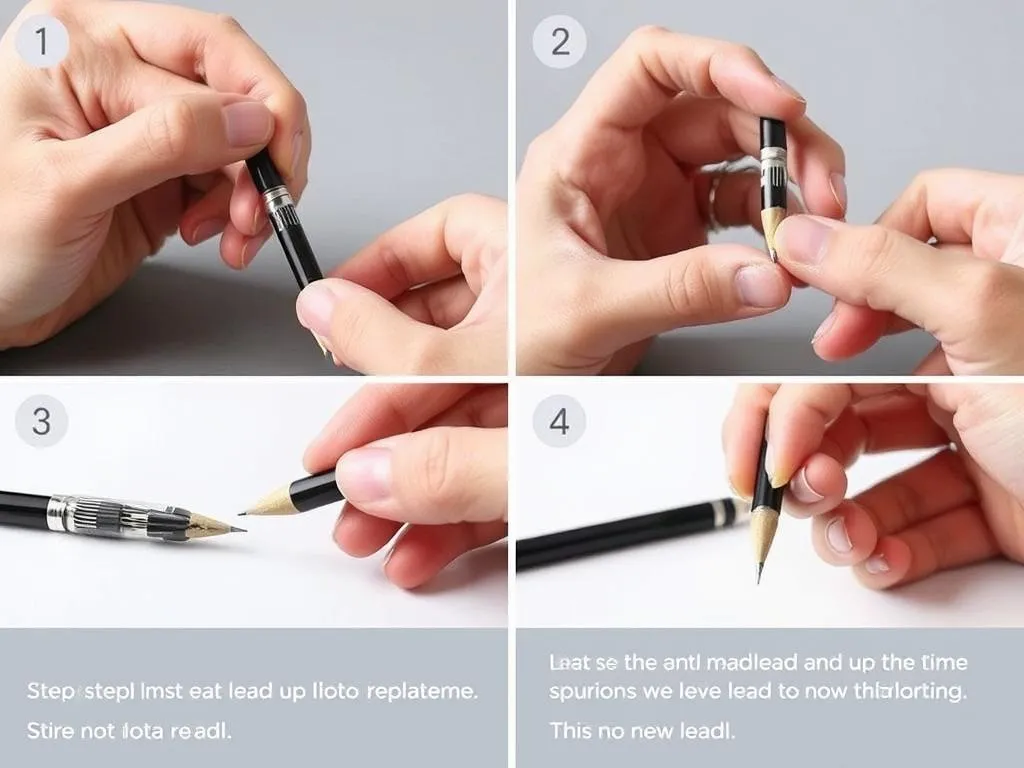
Maintenance and Care
Proper maintenance ensures your mechanical pencil will provide years of reliable service:
- Regular Cleaning: Remove the eraser cap and gently blow out any lead dust or debris from the lead reservoir. For pencils with metal components, wipe them occasionally with a soft cloth to prevent tarnishing.
- Proper Lead Loading: Insert lead through the tip (not the eraser end) in pencils designed for this method. For top-loading models, remove the eraser cap and drop leads into the reservoir.
- Clearing Lead Jams: If lead becomes jammed, remove the eraser and push a thin wire through the lead channel. Alternatively, repeatedly click the advancement mechanism while gently tapping the pencil.
- Eraser Replacement: Replace the eraser when it becomes worn down. Many mechanical pencils use standard eraser refills available separately.
- Storage Considerations: Store mechanical pencils horizontally or with the tip up to prevent lead breakage inside the mechanism.
Creative Uses and Techniques
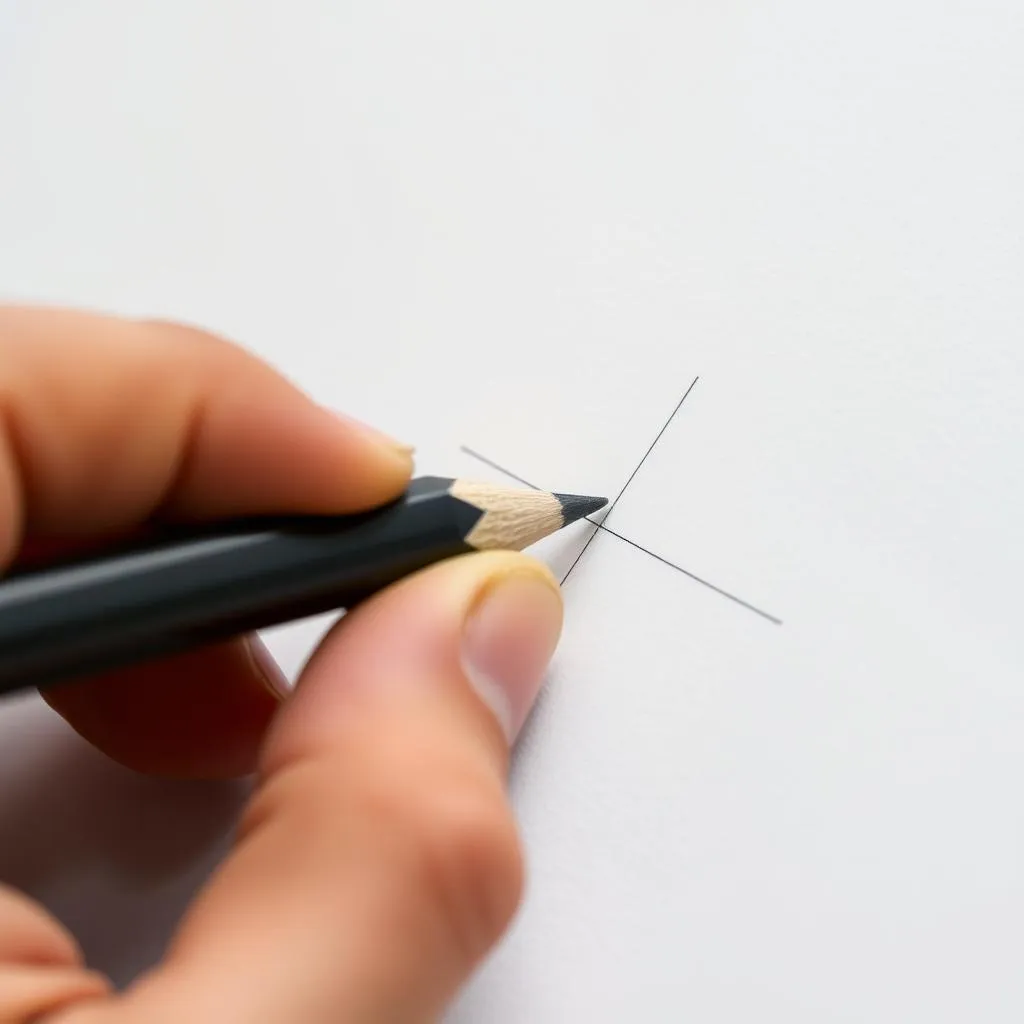
For Artists
- Use different lead hardnesses in the same pencil for varying tones
- Create consistent fine lines for cross-hatching and detailing
- Rotate the pencil regularly to maintain a consistent edge on the lead
- Use a kneaded eraser for highlighting and creating texture
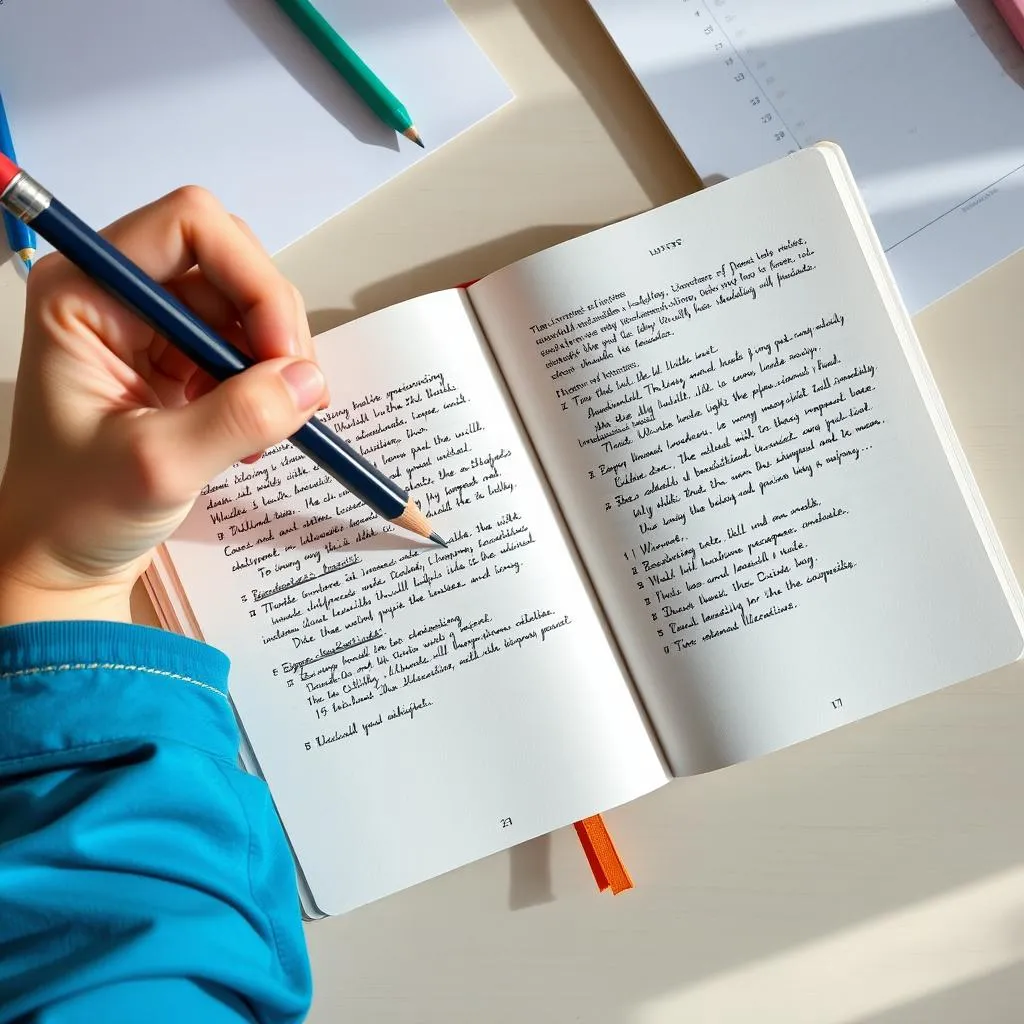
For Students
- Use different lead sizes for main points vs. details in notes
- Develop a color-coding system with colored lead refills
- Keep spare lead in a small container in your pencil case
- Use the clip to attach the pencil to notebook pages for quick access

For Professionals
- Keep multiple pencils with different lead sizes for various tasks
- Use mechanical pencils for non-permanent markings on documents
- Pair with correction tape for a clean, professional appearance
- Consider investing in a higher-end model for daily use
Pro Tip: Lead Advancement
To prevent lead breakage, advance only a small amount of lead (2-3mm) at a time. Hold the pencil at a consistent angle (around 45 degrees) to the paper for optimal performance and line consistency.
Ready to Elevate Your Writing Experience?
Now that you understand how to choose and use mechanical pencils effectively, it’s time to find the perfect one for your needs.
Conclusion
Mechanical pencils represent the perfect blend of tradition and innovation in writing instruments. Their precision, consistency, and sustainability make them superior choices for everything from casual note-taking to professional drafting and artistic creation. By understanding the different types, features, and benefits of mechanical pencils, you can select the perfect tool to enhance your writing, drawing, or technical work.
Whether you’re a student looking for an affordable, reliable option like the Flair Carbonix Neo, a professional seeking precision with the Rotring 600, or an artist requiring the versatility of the Staedtler Mars Technical, there’s a mechanical pencil designed specifically for your needs. With proper care and technique, a quality mechanical pencil can become a trusted companion throughout your educational, professional, or creative journey.
Find Your Perfect Mechanical Pencil Today
Browse our curated selection of the finest mechanical pencils available in India, with options for every budget and purpose.
Frequently Asked Questions
What lead size is best for everyday writing?
For general writing and note-taking, 0.5mm and 0.7mm are the most popular choices. The 0.5mm provides more precision but may break more easily, while 0.7mm offers more durability with slightly thicker lines. If you tend to press hard when writing, 0.7mm or 0.9mm would be better options to prevent lead breakage.
How do I prevent lead from breaking in my mechanical pencil?
To prevent lead breakage: 1) Extend only a small amount of lead (2-3mm) at a time, 2) Use a consistent writing angle (around 45 degrees), 3) Apply appropriate pressure based on lead thickness, 4) Consider using a cushioned or shock-absorbing mechanical pencil like the Sakura Cushioning Point, and 5) Store your pencil properly to prevent internal lead breakage.
Are mechanical pencils better for the environment than wooden pencils?
Yes, mechanical pencils are generally more environmentally friendly than wooden pencils. A single mechanical pencil can replace dozens of wooden pencils over its lifetime, reducing wood consumption and waste. Additionally, there’s no waste from sharpening, and many mechanical pencils are made with recyclable materials. The environmental impact is further reduced by only replacing the small lead refills rather than entire pencils.
What’s the difference between HB, 2B, and other lead grades?
Lead grades indicate hardness and darkness. The B scale (B, 2B, 3B, etc.) indicates softer leads that produce darker lines but wear down faster. The H scale (H, 2H, 3H, etc.) indicates harder leads that produce lighter lines but last longer. HB is in the middle, offering a balance of darkness and durability. For writing, HB and B are most common, while artists might use a range from 4H (very light) to 6B (very dark) for different techniques.
