
Ever stared at a blueprint and felt your hand just itch for the right graphite? You’re not alone—drafting artists, engineers, and hobbyists all wrestle with that same itch for a pencil that doesn’t bite, doesn’t smudge, and stays sharp the whole time.
Think about the last time you tried to outline a precise line and the tip just snapped, leaving a jagged mess that felt like a bad haircut. That frustration isn’t just a mood; it’s a signal that the wrong tool is in your hand.
In this piece we’re going to cut through the noise and focus on what truly matters: the best pencils for drafting and how to make each one work for you.
First off, hard and soft leads are your two best friends. A 2H or H lead gives you razor‑sharp, light lines that are perfect for technical details and mechanical drawings. A 2B or 4B, on the other hand, gives you dark, smooth strokes that work great for shaded sections or adding depth to a mechanical illustration.
But the story doesn’t stop at hardness. The core composition—graphite, clay, and sometimes a tiny amount of wax—determines how the pencil behaves under pressure. A pencil with too much clay will crumble on a hard paper, while one with too little will feel stiff and unresponsive.
Here’s a quick checklist you can follow before you hit the shop: 1) Test the lead on the paper you’ll use most; 2) Look for a balance between grip and durability; and 3) Choose a brand that offers consistent grades across its line. Choosing the Right Pencils for Technical Drawing dives deep into that process, and it’s a must‑read if you want to avoid costly trial and error.
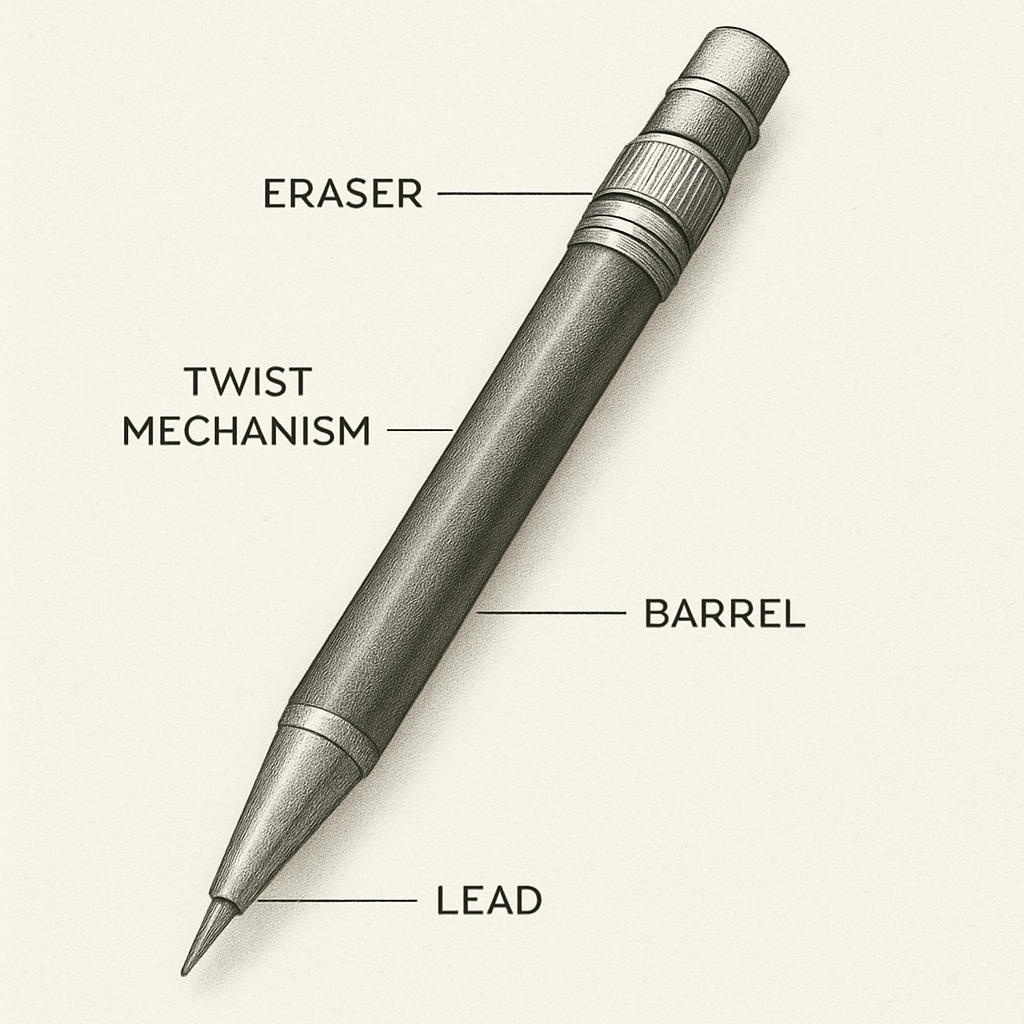
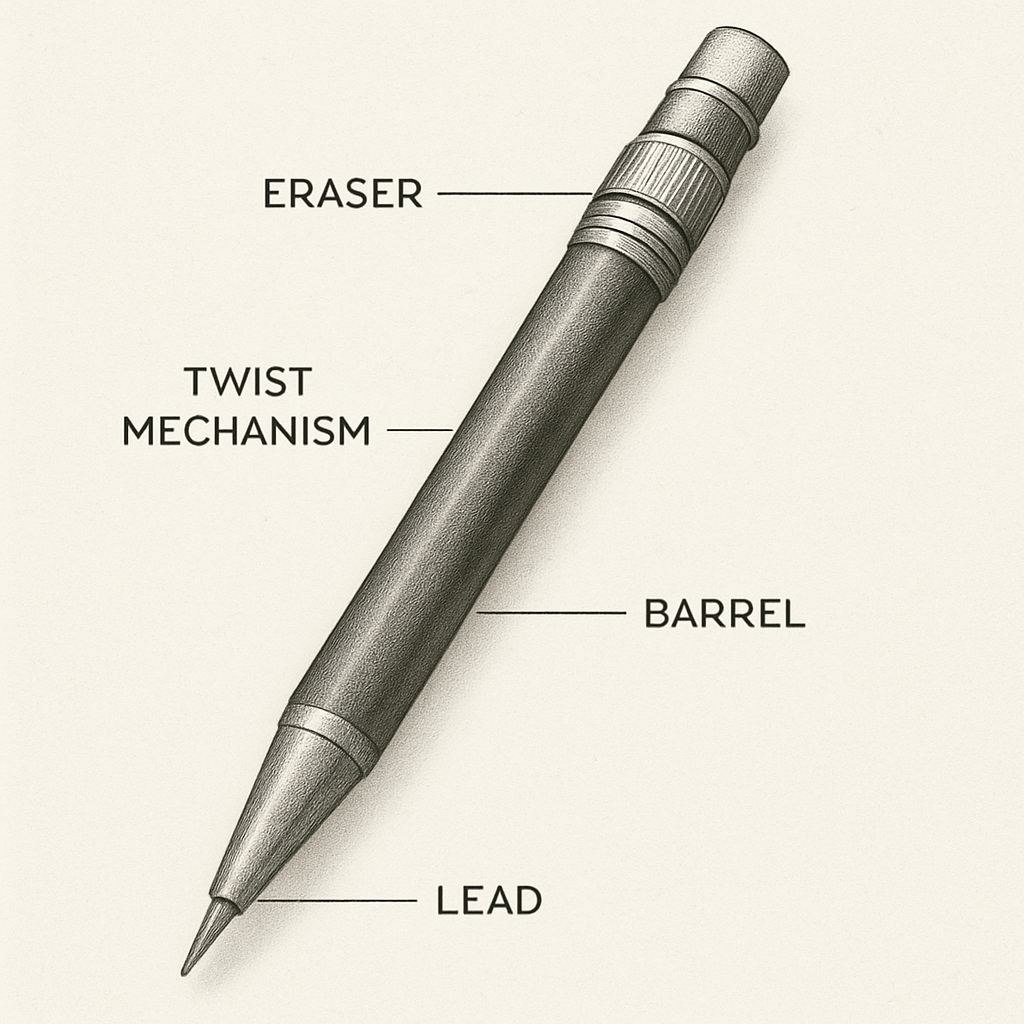
While you’re selecting a pencil, remember that the right holder or mechanical pencil can make a world of difference. A comfortable grip reduces hand fatigue, especially when you’re on a tight deadline or a long design session. For those who prefer the feel of wood, look for a light‑weight barrel and a smooth twist‑mechanism.
And if you’re looking for a splash of inspiration to pair with your drafts, check out Gratitude Studios—their abstract landscape pieces can give your workspace that extra creative spark.
By the end of this guide, you’ll have a clear map to pick the perfect drafting pencil, know why certain leads work better on specific paper, and feel confident stepping out of your studio with the right tool in hand.
TL;DR
The best pencils for drafting are those that balance hardness, grip, and durability. Test on your paper, choose consistent grades, and pair with a comfortable mechanical holder. This guide shows you how to pick the perfect tool for crisp, long‑lasting lines in your daily projects and ensure precision every time.
1. Mechanical Pencil: The Classic Drafting Tool
Ever noticed how a smooth, steady line feels like a conversation with the paper? That’s the power of a mechanical pencil—quiet, precise, and ready to go whenever you need it. In this quick list, we’ll break down why it’s still the go‑to choice for draftsmen, architects, and sketch artists alike.
First up: the lead. Mechanical pencils let you dial in a lead size that matches your pressure. A 0.5mm tip is perfect for crisp technical lines, while 0.7mm gives you a bit more heft for shading or ornamental work.
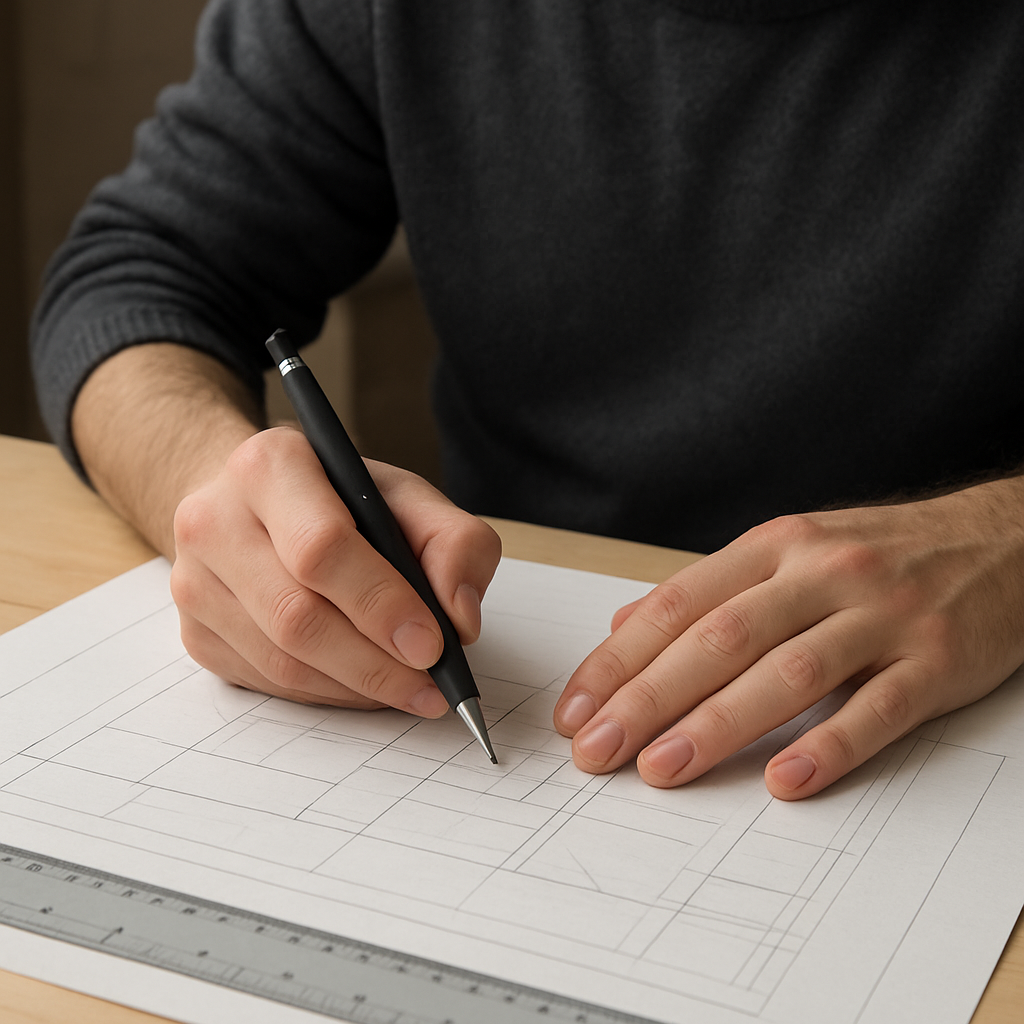
Second: the grip. A rubber‑covered barrel or a soft‑tissue sleeve reduces fatigue, especially during those long drafting sessions that stretch into the late afternoon. Think of it as a hand‑made ergonomic cushion.
Third: the refill system. Many models feature a twist‑or‑slide mechanism that keeps the lead at a constant length. No more guessing how much graphite is left, and no wasted lead when you’re mid‑draw.
So, what’s the best way to pick the right mechanical pencil? Here are three practical checkpoints.
1. Lead Strength & Consistency
Test a few leads on the paper you use most. Does a 2H give you that razor‑thin line you need for dimension? Or does a 2B allow you to create subtle shadows without a single burn‑mark? Keep a small sample box and experiment before you commit.
2. Barrel Comfort
If your hand aches after 20 minutes, consider a softer grip. Some pencils have a silicone sleeve that feels like a second skin. Try holding it for a few minutes before you start to decide.
3. Build a Mini‑Kit
For the everyday drafter, a set of 0.5mm, 0.7mm, and 1mm leads in a single barrel can cover almost every scenario—technical outlines, mechanical details, or quick sketches. Pair that with a good eraser and a sturdy case.
In the real world, architects often carry a mechanical pencil in their drafting bag, because it’s lightweight and reliable. Artists on campus prefer one with a smooth twist‑mechanism to keep the lead level, while hobbyists enjoy a dual‑color set for contrast.
When you’re choosing a mechanical pencil, keep in mind the paper texture. Rough paper will force you to press harder, which can cause the lead to break. Softer paper lets you glide the pencil with minimal effort.
Another tip: keep a spare lead in your pocket or desk drawer. Nothing kills momentum like having to search for a new lead when your current one runs out mid‑line.
For a deeper dive into the mechanics behind each feature, you might find it useful to watch a quick tutorial that shows how to adjust a mechanical pencil for optimal performance.
Bottom line? The classic mechanical pencil remains a drafting staple because it marries precision with practicality. Try out the three checkpoints above, and you’ll soon feel the difference in every line you draw.
2. Graphite Lead Variations: Choosing the Right Hardness
Okay, let’s dive into the guts of what makes a graphite lead tick.
1️⃣ Know the Two Grading Systems
The world of drafting pencils splits into two main scales: the numeric one and the HB system. The numeric scale—think 2, 2‑1/2, 3—tells you how hard the core is; the higher the number, the harder and lighter the mark. The HB system, used widely outside the U.S., labels hardness with H for hard and B for black (soft). An HB is the middle ground, roughly the same as a #2 U.S. pencil, but brands vary.
Ever wonder why a pencil that’s marked HB in Japan looks darker than the same grade from Europe? That’s because Japanese pencils lean toward softer, darker leads.
2️⃣ Match Hardness to Your Paper
Paper texture is a game‑changer. On smooth vellum or heavy‑weight drafting paper, A 2H or H lead keeps lines crisp. On rough, low‑grade paper, switch to a 1B or 2B; the extra graphite fills the fibers and prevents the tip from getting stuck.
Try this quick test: pull a fresh lead through a handful of paper sheets. If the tip leaves a ragged trail, it’s too hard for that paper.
3️⃣ Think About Pressure and Fatigue
Drafting sessions can stretch for hours. A lead that feels too soft will crumble under pressure, while a lead that’s too hard can cause hand fatigue. A good rule: choose a lead that stays sharp after three or four passes. If you’re a heavy‑handed drafter, a 2H or 2B with a small clay mix gives you that balance.
4️⃣ Layering and Blending Tricks
Hard leads are perfect for clean outlines; soft leads excel at shading. If you want depth, start with a soft lead for the darkest area, then overlay with a harder lead for highlights. Remember the “hatching” technique—layer light strokes before going dark.
Many artists use a two‑lead set—one hard, one soft—so you can switch on the fly. A common starter set is 2H + 2B; it covers most drafting needs.
5️⃣ Build a Mini Toolkit That Lasts
Don’t buy a whole rack of exotic grades only to use two. Pick a range that covers your typical projects: 2H, H, HB, 2B, and 4B. Store them in a small drawer with a paper test strip so you can keep track of wear. If a lead is dulling faster than its peers, you’re probably pushing too hard.
And if you ever feel stuck, remember the classic rule of thumb: the darker the line you need, the softer the lead.
Curious to dig deeper into the math behind these grades? Learn more about the grading scales on the official graphite grading page.
If you’re juggling multiple projects, keep a small lead rack where each lead is labeled by hardness—this visual cue saves you from switching modes mid‑draw.
Try it today and see.
3. Lead Sharpeners and Erasers: Enhancing Precision
Before you even think about the lead you’ll be using, you’ve gotta make sure the tip stays sharp and the eraser doesn’t turn your work into a smudged mess. It’s the little tools that separate a good draft from a great one.
1️⃣ Choose the Right Sharpening System
Mechanical pencil sharps are the lifeline for engineers and hobbyists alike. A 0.5 mm or 0.7 mm lead gives you the precision you need for those tight lines on technical drawings. When a tip starts to wobble, a fresh sharpen can bring it back to crisp form in seconds.
2️⃣ Pick a Sharper That Fits Your Style
Traditional stone knives are fast and cheap, but they can damage softer grades like 2B or 4B. For a more controlled approach, look at the pencil‑sharpening kits that use a rotary wheel—think of it like a mini‑lathe for your lead. It keeps the tip uniform and avoids that dreaded “chip” that messes up your line weight.
3️⃣ Embrace the “Smart” Sharpeners
Some sharpeners have sensors that tell you when the lead is near the end of its life. The newer models automatically stop pulling the lead when the tip is too thin. This prevents accidental breakage and saves you the frustration of a snapped pencil during a critical moment.
4️⃣ Match Erasers to Medium
Graphite, charcoal, and colored pencils each call for a different eraser. Rubber erasers with a soft core work well on graphite and colored pencils, letting you lift marks without tearing the paper. If you’re working on a heavy drafting board, a vinyl or plastic eraser with a slightly harder surface will erase cleanly without smearing.
5️⃣ Test Before You Commit
It sounds like a waste of time, but a quick test can save you hours of frustration. Place a small piece of your drawing paper on a clean surface, apply a single stroke of graphite, colored pencil, charcoal, and then erase each with the eraser you plan to use. Notice any streaking, residue or paper damage. If anything looks off, swap it out before you start a full project.
6️⃣ Keep an Eraser Kit Handy
Carry a mini set with at least three types: a standard rubber, a softer “kneadable” eraser for charcoal, and a vinyl eraser for colored pencils. Store them in a small drawer or a pencil case with a clear window so you can spot wear. A worn eraser is a silent saboteur that turns a neat line into a blot.
For a deeper dive into how different erasers perform across five mediums, check out the detailed review on The Art Gear Guide. It’s a practical reference that helps you choose the right eraser for your specific workflow.
4. Ergonomic Designs: Comfort for Long Sessions
Ever stared at a drafting board and felt that familiar burn in your hand? That’s the silent sign your tools aren’t designed for marathon sessions. Comfort isn’t a luxury—it’s a necessity when you’re turning a rough sketch into a clean blueprint.
1️⃣ Choose a Pencil with a Textured Grip
Rough, rubber‑coated barrels keep the pencil from slipping when you’re pushing hard for a sharp line. Look for a grip that feels like a glove, not a slick slide. If you’re on the go, a hexagonal metal barrel gives you extra grip surface and less wobble.
2️⃣ Opt for a Medium‑Weight Body
Too light, and the pencil feels flimsy; too heavy, and your wrist aches after ten minutes. A medium‑weight body—think 10–12 grams—strikes the sweet spot between stability and comfort. Brands like Rotring and Kaweco offer these in their premium models.
3️⃣ Use a Lead with Low Friction
Soft lead that glides over paper reduces the force you need to apply. A 2H or H lead is often the best bet for long drafting sessions because it stays sharp and doesn’t demand extra pressure. Pair it with a smooth lead‑advancement mechanism so you’re not constantly nudging the pencil.
4️⃣ Keep Your Hands Warm
Cold fingers mean cramped muscles. A small, insulated grip sleeve or a thumb rest can keep heat where it belongs. Even a simple rubber band around the barrel can make a noticeable difference during a 2‑hour session.
5️⃣ Take Micro‑Breaks—The Pencil‑Friendly Way
Every 20 minutes, lift the pencil and let your hand stretch. A quick thumb‑to‑palm roll or a short walk can reset tension. When you return, your grip feels fresh, and your lines stay consistent.
At Drawing Pencils Guru, we’ve spent countless hours testing how these ergonomic tweaks impact real drafting work. Our favorite picks for comfort come from the same lineup highlighted in the Makoba mechanical pencil guide, which dives into the craftsmanship behind each design.
| Feature | Suggested Pencil | Notes |
|---|---|---|
| Grip Texture | Rotring 800+ | Rubber‑coated barrel, non‑slip finish |
| Weight | Kaweco Classic | Medium weight, 11g, balanced feel |
| Lead Size | Diplomat Traveller 0.5mm | Low friction, fine detail work |
So, what’s the next step? Pick one of these ergonomically‑friendly pencils, give them a quick test on your favorite drafting paper, and watch how your hand feels after a full session. The right design turns a tedious task into a smooth flow, letting your creativity stay sharp—literally and figuratively.
5. Portable Options for On-the-Go Drafting
When you’re sketching from a train or a café, the right pencil is all you need to keep the ideas flowing. It’s not just about the lead; it’s about how the pencil feels in your palm and how it protects itself in a bag.
Below are five of the best pencils for drafting that are built to travel. Each one has a feel and a reason you’ll want it in your pocket.
1️⃣ Uni Shift Mechanical Drafting Pencil
The Uni Shift is a tiny vault. Its barrel slides forward, locking the tip out of sight, so it won’t get nicked in a backpack. The metal body is sturdy, and the textured grip keeps your hand from slipping even in a sweaty coffee shop.
The 0.5 mm lead is a sweet spot for fine architectural lines, and because it’s mechanical, you get one color all day. Check it out on Yoseka Stationery and see why many designers love its portability.
2️⃣ Rotring 600 – Classic, Compact, Reliable
The Rotring 600 is a legend. It’s small enough to fit in a coin pocket yet heavy enough that the lead slides smoothly. Its knurled barrel is a comfort win for long drafting sessions.
3️⃣ Rotring 800 – The “Drop‑In” Version
For a little extra buffer, the Rotring 800 adds a retractable “pipe” that hides the tip. The larger diameter gives a better grip, and the metal body resists bending.
4️⃣ Uni Kuru Toga “Roulette” – Keep the Lead Fresh
The Kuru Toga’s rotating mechanism keeps wear uniform, so the tip stays sharp. Its lightweight design means you won’t feel fatigue after a week of back‑to‑back drafting sessions. The barrel’s textured finish also keeps it from slipping.
5️⃣ Sailor Imperial Black Multi‑Pen – All‑In‑One
If you hate carrying multiple tools, the Sailor Imperial Black is a mechanical pencil that doubles as a ballpoint. The pencil part is solid, and the ballpoint offers quick note‑taking on the fly. Because it’s built from high‑quality steel, it stays straight and doesn’t bend in a bag.
If you’re traveling through humid climates, keep a small tissue in your bag to wipe the lead. Moisture can cause the graphite to crumble, so a quick dry‑wipe keeps lines sharp.
Remember, the right pencil is a quiet ally; it lets you focus on the sketch, not the tool.
Whether you’re a student in Mumbai, a freelance architect in Pune, or a hobbyist in New Delhi, a portable pencil that blends durability with comfort can change your drafting game. Pick one that feels like a second skin, test it on your favorite paper, and you’ll find that the only thing left to worry about is the next line.
Ready to upgrade? Try the Uni Shift or Rotring 800 today and feel the difference that a well‑designed pencil can make on the move.
Pick yours and sketch away today.
See also Gentleman Stationer’s list of top mechanical pencils for more inspiration.
6. Budget‑Friendly Alternatives Without Compromising Quality
If you’re skimming the shelves for the best pencils for drafting but your wallet has other plans, you’re in the right place. You can keep your lines crisp, your grip comfy, and your budget intact—all at once.
1️⃣ The Blick Premier – All‑Metal, All‑Deal
The Blick Premier packs a sturdy metal body with a smooth knurled grip for just a few rupees. It’s a staple in many drafting kits because the lead‑advance clicks cleanly, and the barrel feels solid in hand. In practice, students in Mumbai and Pune find it’s a reliable partner for long lectures and quick sketches.
2️⃣ The Uni Shift – Compact, Portable, and Cost‑Smart
This tiny powerhouse slides its barrel forward to hide the tip, preventing nicking in a backpack. The 0.5 mm lead is perfect for fine line work, and the price tag is friendly enough that a hobbyist can carry a few in a bag without guilt. It’s a go‑to for sketching on a train or at a café.
3️⃣ The Rotring 600 – Classic Design, Low Price
Rotring 600’s knurled metal barrel feels like an old friend. The body is light enough for a 10‑gram hand but heavy enough to stay steady. Even though it’s an older model, its lead mechanism is reliable, and many architects in New Delhi still swear by it because you can buy one for under a hundred rupees.
4️⃣ The Sailor Imperial Black – Dual‑Function, Dual‑Savings
Why carry a separate ballpoint when you can have a pencil that doubles as a fine‑point pen? The Sailor Imperial Black keeps its tip straight thanks to a high‑grade steel body. It’s handy for quick note‑taking and drafting on the fly, making it a practical choice for field engineers.
5️⃣ The Kuru Toga – Cheap, Clean, and Consistent
With a rotating mechanism that keeps the lead evenly worn, Kuru Toga delivers smooth lines for an extended period. The body is lightweight, and the price is surprisingly low for the quality it offers. For a beginner who wants to experiment with different lead strengths without buying a whole set, this is a solid pick.
6️⃣ The Uni Kuru Toga “Roulette” – Budget‑Friendly, Yet Refined
For those who like the Kuru Toga’s rotating action but want something even more affordable, the Uni version does the job. It comes in a slimmer barrel and a smaller price point, while still giving you the benefit of even wear and a reliable click. Many students in Hyderabad use it to keep their pencils in tip‑perfect condition without overspending.
7️⃣ The Basic 0.5 mm Mechanical – When You Just Need a Hand‑Hold
Sometimes the best way to stay budget‑friendly is to go back to the basics. A plain 0.5 mm mechanical pencil with a simple plastic barrel can be surprisingly effective if you pair it with a good grip sleeve. A cheap, high‑quality sleeve from a local stationery shop can make the whole feel more professional.
So, what’s the real takeaway? Pick a pencil that feels like a second skin, test it on your favorite paper, and keep an eye on the lead’s longevity. By choosing one of these budget options, you’ll see that quality drafting doesn’t have to break the bank. And if you’re ever in doubt, a quick test on a stack of your usual paper can confirm that the line‑cutting power is up to snuff.
FAQ
1️⃣ What’s the difference between a 0.5 mm and a 0.7 mm mechanical pencil for drafting?
In short, 0.5 mm gives you razor‑thin lines that are perfect for technical details. 0.7 mm is slightly thicker, which means the lead is tougher and holds its shape better on rough paper. If you’re sketching fine measurements, stick with 0.5; for quick outlines or thicker lines, 0.7 wins.
We’ve run a lot of side‑by‑side tests on common drafting sheets in India, and the 0.7 really cuts through the grain without splitting. The 0.5 feels a bit fragile on the heavier stock.
So, pick based on your paper and how much detail you need. You can even carry a pair if you want maximum flexibility.
2️⃣ Which lead hardness should I use for a clean technical drawing versus a shaded architectural rendering?
For crisp, clean lines, a 2H or H lead is your go‑to. They stay light and don’t smudge, making them ideal for precise measurements and grid work.
If you need darker, richer strokes for shading or highlighting depth, a 2B or 4B will do the trick.
The key is to keep a small set—maybe 2H, H, HB, 2B, and 4B—in a travel case. That way, you can switch on the fly without hunting for a new pencil.
Remember, softer leads will crumble under too much pressure, so practice light touch when you’re working with a 4B.
3️⃣ How can I keep a mechanical pencil’s tip from breaking during long sessions?
A good sharpening routine is essential. Use a fine‑grit sharpening sleeve that matches the lead size. Keep the sleeve clean of graphite dust; a clogged sleeve forces the lead to bend and break.
Also, avoid excessive force. Let the pencil do the work—apply a steady, even pressure. If you find yourself snapping leads, consider switching to a slightly harder lead or a pencil with a built‑in spring that cushions the tip.
Finally, store your pencil with the lead capped. This protects the tip from accidental knocks when you stash it in a bag.
4️⃣ Are there any ergonomic features I should look for to reduce hand fatigue?
Look for a rounded, knurled barrel that fits the natural curve of your hand. A medium weight—around 10–12 g—balances stability without adding strain. Some pencils have a small, soft sleeve that cushions the grip for extra comfort.
Another trick is to choose a pencil with a smooth lead‑advance mechanism. If you have to click constantly, you’ll burn out your fingers faster.
For long drafting days, try short micro‑breaks—just a few seconds to stretch your hand. It can make a huge difference in how fresh your grip feels.
5️⃣ How do I know if a lead is too hard for my paper?
Run a quick test: draw a straight line across several sheets of the paper you use most. If the line looks ragged or the tip digs into the fibers, the lead is too hard.
Conversely, if it leaves a faint trace and the graphite smears, it’s too soft.
Another tell‑tale sign: a hard lead will feel like it’s pulling against your hand, creating a slight tug.
A softer lead feels smoother and flows more freely.
Adjust by switching to a slightly lower hardness—say from 2H to H or from 2B to HB—until you find a comfortable balance.
6️⃣ Can a single pencil handle both drafting and sketching in the field?
Yes, if you pick a versatile model like the Uni Shift or the Rotring 600. They have a robust build, a fine lead size, and an ergonomic grip that works for detailed line work and quick sketches on the go.
Keep a small supply of backup leads in a pouch. That way, if a lead breaks or runs low, you’re not stuck.
For added convenience, choose a pencil that can double as a pen—like the Sailor Imperial Black. You can jot notes or draft simultaneously without switching tools.
Conclusion
We’ve walked through the maze of graphite grades, lead sizes, and ergonomic tricks, all to find the best pencils for drafting.
If you’re an academic in Chennai or an artist in Mumbai, the same principles apply: pick a hard lead for clean outlines and a soft one for shading.
What we’ve seen work best is a small kit—2H, H, HB, 2B, 4B—paired with a metal body that feels steady in your hand.
Remember, a good grip beats a fancy tip when you’re drawing for hours.
Take a quick test: draw a line across your usual paper, feel the bite, and adjust the hardness until it’s just right.
Once you’ve got the feel, lock in that lead size and keep a spare in a pouch—so you never break the moment you need a sharp line.
And if you’re on a tight deadline, remember that a mechanical pencil with a click‑mechanism saves you the panic of a snapped wooden tip.
So, grab the right tool, test it on the paper you love, and let the lines do the talking—your drafts will thank you.
At Drawing Pencils Guru, we’ve spent months crunching test data, so our recommendations aren’t just opinions—they’re backed by real use cases from students, architects, and hobbyists across India.
