
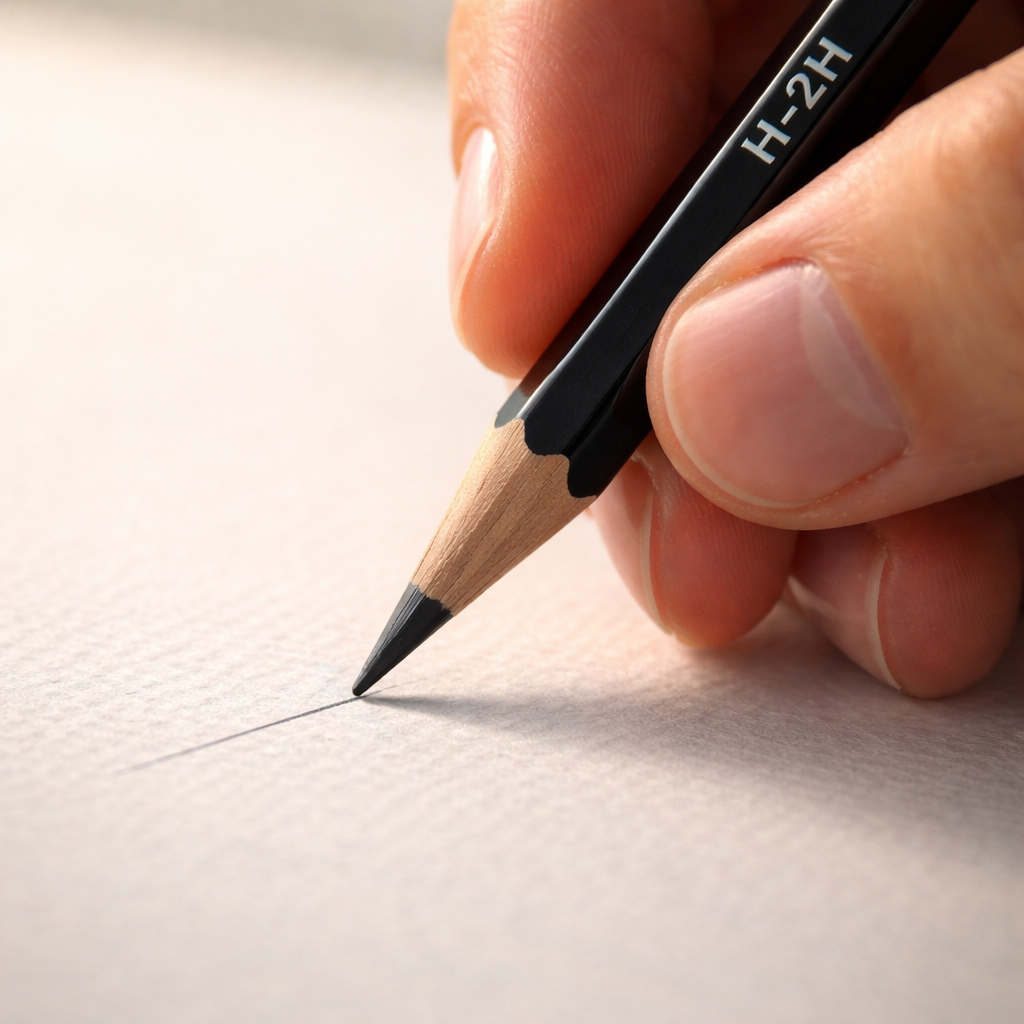
Finding the right pencil can feel like hunting for a tiny needle in a huge toolbox.
When you need razor‑thin lines for a delicate illustration, the wrong lead will ruin the whole mood. You end up with smudgy strokes or broken tips, and that’s frustrating.
That’s why we’ll walk you through what makes a pencil truly suited for fine detail work. You’ll learn how hardness, graphite quality, and even the wood jacket affect control, and you’ll see why a few smart choices beat a mountain of random picks.
Think about a moment when a single line needed to capture the texture of a leaf vein or the shimmer on a dragon’s scale. The right pencil lets you press just enough pressure, keep the tip sharp, and layer without turning the paper into a gray mess.
In this guide, we’ll break down the core factors – lead grade, core composition, and sharpening tricks – then point you toward the top picks that consistently deliver those buttery‑smooth, precise lines.
By the end, you’ll know exactly what to look for, how to test a pencil before you buy, and why a seasoned drawing expert trusts the same tools over and over.
Ready to trade guesswork for confidence? Let’s get your sketchbook ready for the finest details you’ve ever tried to capture.
How to Choose the Right Pencil for Fine Detail
Picking the right pencil for fine detail feels like finding a tiny needle in a huge toolbox. One wrong lead and your line looks smudgy or breaks, and that kills the mood.
First, look at the grade. Hard grades (9H‑2H) give crisp, thin lines that stay sharp. Soft grades (2B‑6B) lay down dark tone fast but can get fuzzy. For fine work most artists pick a mid‑hard range like H‑2H. It lets you press just enough to see the line without turning the page gray.
Second, check the core. Pure graphite gives a smooth glide, while a blend of clay and wax can feel gritty. A high‑quality core lets you layer without harsh edges. Many pros swear by pencils that use a fine‑ground graphite mix.
Third, mind the wood. A tight, smooth jacket helps you keep the tip fine when you sharpen. If the wood cracks, the lead snaps and you waste time. A well‑finished cedar or basswood jacket is a safe bet.
Now test before you buy. Hold the pencil at a 45‑degree angle and draw a short line on a scrap sheet. If the line is even and the tip stays pointy, you’ve got a good match. You can also rub a bit of paper on the tip; a clean, non‑smeary mark means the lead is solid.
A quick video can show the test in action, so you see the feel before you spend cash.
When you’ve picked a grade, core, and wood you like, store the pencils upright in a dry box. This keeps the tips from breaking and the wood from swelling.
If you need extra help deciding, check out Trivelo Coaching. They offer one‑on‑one sessions that walk you through tool choices and practice drills.
Top 5 Pencils for Ultra‑Fine Illustration Lines
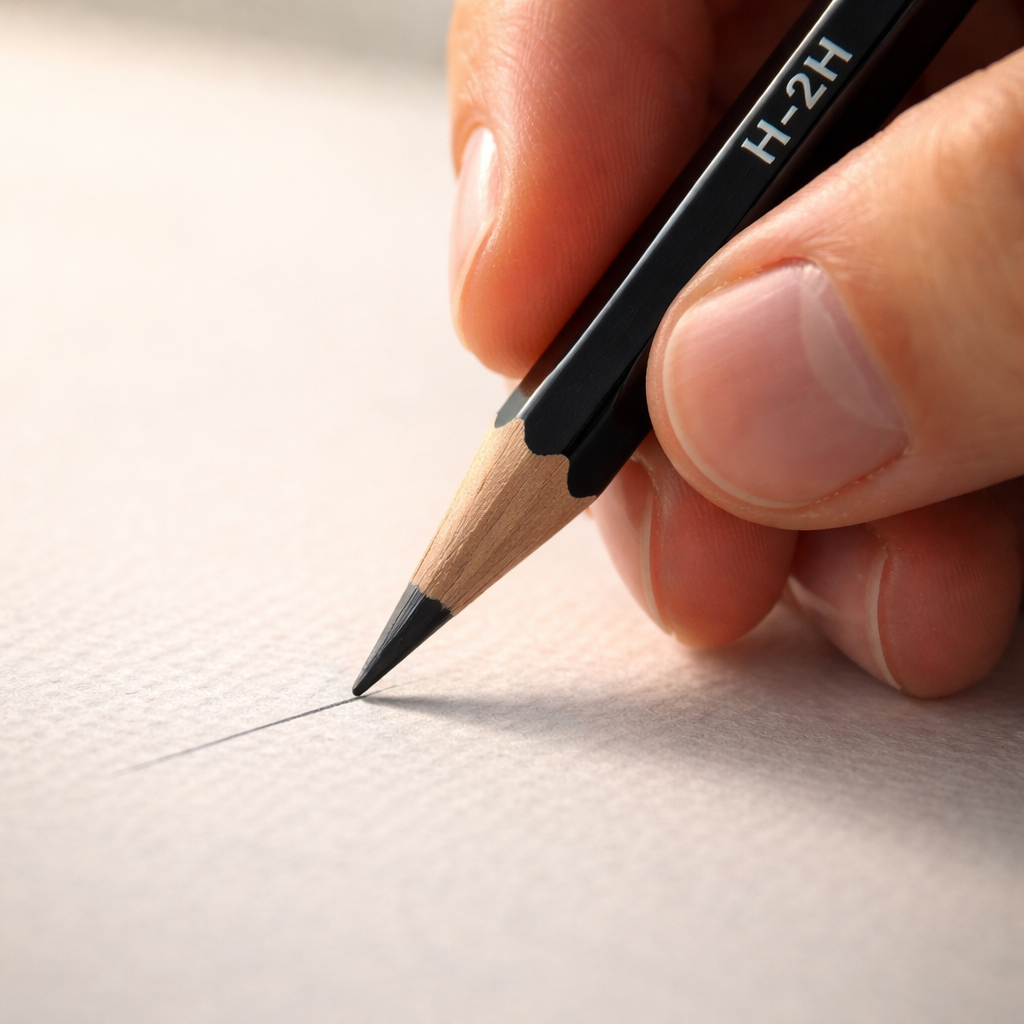
When you need a line that looks like a single hair, the right pencil makes all the difference. Here’s the short list we trust for razor‑thin work.
We start with a pencil that feels steady in the hand and keeps a point even after a few strokes. That’s why many Indian art students pick the Staedtler Mars Lumograph 2H. The hard grade stays thin, and the wood is tight enough to stop wobble.
Next up, Faber‑Castell 2H. Its pure graphite core gives a smooth, almost buttery glide, so you can layer without a gray mess. It’s a solid choice for detailed architectural sketches.
Derwent Graphic 2H rounds out the list with a slightly longer barrel, which helps you keep a comfortable grip during long sessions. The lead is bright, making it easy to see fine marks on light paper.
Tombow Mono 2H is a Japanese favorite. The wood is thin but strong, so the tip rarely snaps when you sharpen to 0.3 mm. It also leaves a clean line on tracing paper, perfect for comic in‑king.
Finally, Caran d’Ache Grafite 2H offers a premium feel. The lead is dense, giving you control at the lightest pressure. Artists who work on vellum love how the line stays crisp.
So, what should you do next? Grab a test sheet, try each pencil at a 45° angle, and see which tip feels like it belongs in your hand.
| Pencil | Lead Grade | Why it works for ultra‑fine lines |
|---|---|---|
| Staedtler Mars Lumograph | 2H | Tight wood, steady point, stays thin under pressure |
| Faber‑Castell | 2H | Pure graphite, smooth glide, easy to layer |
| Derwent Graphic | 2H | Long barrel, comfortable grip, bright mark |
| Tombow Mono | 2H | Strong thin wood, tip resists breakage, clean on tracing paper |
| Caran d’Ache Grafite | 2H | Dense lead, crisp line at light pressure, great on vellum |
Drawing Pencils Guru often points beginners to these five because they cover the range of wood quality, lead smoothness, and price you’ll find in Indian art stores. Pick the one that feels right, and you’ll be ready for those ultra‑fine illustration lines that make your work stand out.
How to Test and Evaluate Pencil Performance
Got a handful of pencils and not sure which one actually works for ultra‑fine lines? Let’s sort that out in five quick steps.
Step‑by‑step test
1. Grab a clean sheet of smooth tracing paper. Sketch a 2 cm line with each pencil at a 45° angle. Note how thin the line stays when you add a light press.
2. Switch to a darker paper (like mid‑tone Bristol). If the mark looks grainy, the core probably isn’t pure graphite.
3. Use a rotary sharpener set to 0.3 mm. A steady tip means the wood is tight and won’t break after a few strokes.
4. Hold the pencil for a few seconds and see if the tip wobbles. Any wobble signals a loose wood grain.
5. Finally, erase a tiny section. If the eraser lifts the line cleanly, you’ve got a good lead‑to‑paper bond.
That’s the core of the Best Pencils for Fine Detail Illustration: A 2026 Guide. It walks you through why a 2H lead often beats a softer grade for razor‑thin work.
Want the science behind hard vs. soft grades? The hardness scale explains that H pencils pack more filler, giving you lighter lines that stay thin under pressure.
Tip: If you’re an art student in Mumbai, keep a small zip‑lock bag with a dry cloth. Moisture makes the wood swell and the tip snaps faster.
For a completely different perspective on how tools can shape an event, check out GEM Designs & Productions (GEM Photobooths LLC) at https://gemdesignspro.com – they specialize in luxury photo booths for weddings and corporate events.
Need a health‑focused partner for long studio sessions? XLR8well offers proactive health services at https://xlr8well.com.
Tips for Maintaining and Sharpening Fine‑Detail Pencils
Keeping a razor‑thin line means your pencil has to stay sharp and the wood has to stay firm.
First, wipe the wood with a clean cloth. Dust or oil can make the barrel swell, which leads to a wobbly tip.
Next, store your pencils upright in a dry box or a zip‑lock bag with a thin paper towel. Moisture is the enemy of tight grain, especially in humid Indian studios.
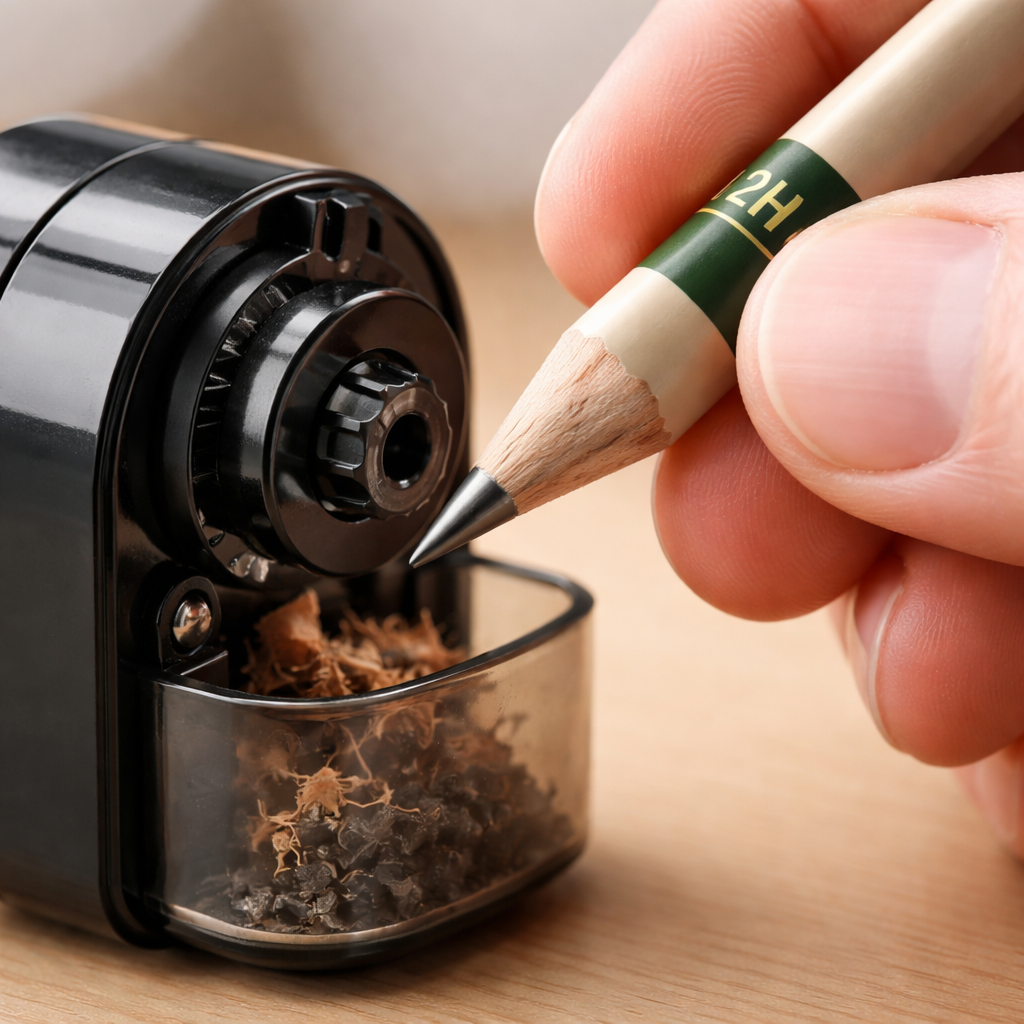
Choose the right sharpener
A rotary sharpener set to 0.3 mm works best for 2H and HB leads. It cuts cleanly and keeps the lead length even.
If you only have a hand‑held cutter, pick one with a fine‑point blade and twist gently. Too much force snaps the wood.
Step‑by‑step sharpening routine
1. Hold the pencil at a 45° angle and insert the tip into the rotary hole.
2. Rotate slowly for three turns, then pull out and check the tip. It should be a crisp point, not a frayed edge.
3. Lightly tap the pencil on a soft surface to remove any loose shavings.
4. Test the line on tracing paper. If the mark stays thin when you press lightly, you’re set.
Maintain the tip between sessions
When you take a break, cover the tip with a small rubber cap or a piece of tape. This stops the lead from bending.
For extra control, keep a tiny piece of fine sandpaper in your kit. A quick swipe can smooth a tiny burr without dulling the point.
Finally, give your pencils a quick look each week. A loose wood grain shows as a wobble when you hold the pencil still. If you see that, sharpen again or replace the stick.
With these habits, the best pencils for fine detail in illustration stay ready for those hair‑thin lines you crave.
Conclusion
Now you know what makes a pencil the best choice for fine detail in illustration. A hard 2H lead, tight wood grain, and a pure graphite core keep your lines razor thin.
Pick a brand that feels steady in your hand, the ones we listed work well for students and pros across India. Test each tip on tracing paper; if the line stays thin with light pressure, you’re set.
Remember to sharpen to 0.3 mm, cover the tip when you pause, and store the pencils dry. A quick weekly check catches wobble before it ruins a sketch.
Ready to build a small set that never lets you down? Grab a few of the top picks, run the simple test, and let your art speak with crisp, clean lines.
Drawing Pencils Guru offers clear guides that walk you through each step, so you can trust your choice.
With the right pencils, you’ll capture even the tiniest leaf vein or dragon scale without frustration.
FAQ
What lead grade gives the thinnest line for detail work?
Most artists pick a hard grade like 2H or 3H for ultra‑fine lines. The hard lead stays thin even when you add a little pressure. It also lets you layer without making the mark too dark. Try a 2H first; if the line looks too light, move up to 3H. The key is to test on the paper you plan to use.
Does the wood type matter for keeping the tip steady?
Yes. A tight‑grain wood holds the lead steady and stops wobble. Japanese and German pencils often use a denser wood that resists breakage when you sharpen to a fine point. If the wood feels soft or spongy, the tip may bend or snap after a few strokes. Choose a brand that feels firm in your hand.
How often should I sharpen a 2H pencil for fine lines?
Sharpen whenever the tip starts to look dull or a tiny burr appears. With a rotary sharpener set to 0.3 mm you can keep the point crisp for many pages. Most artists find they need to touch up the tip every 5‑10 lines, depending on how hard they press. A quick tap on a soft surface clears shavings before you keep drawing.
Can coloured pencils be used for ultra‑fine illustration?
They can, but look for wax‑less cores. Wax‑based cores tend to grain and make the line look fuzzy. Brands that market a “water‑soluble” or “oil‑based” core often stay sharper. Test a coloured pencil on a dark sheet; if the line stays clean at light pressure, it’s good for detail work.
What’s the best way to store pencils in a humid Indian studio?
Keep them upright in a dry box or a zip‑lock bag with a thin paper towel. Moisture makes the wood swell, which leads to wobble and breakage. If you can’t buy a box, a simple cardboard tube works—just make sure it stays away from windows or air‑conditioner drip.
Where can I find a reliable guide that compares the top pencils?
Drawing Pencils Guru publishes a detailed guide that breaks down grades, wood quality, and price points for the Indian market. The guide walks you through a quick test you can do at home, so you know which pencil will give you that razor‑thin line before you spend any money.
