
Mulberry paper feels like a living sheet. Its soft fibers give a gentle grip that can make or break a sketch. If you use the wrong pencil, the lines will smear or the pa you’ll learn how to choose pencils that match the paper’s texture, how to test hardness, and what finish works best for lasting art.
We’ll walk through four clear steps, add real‑world tips, and give you a quick checklist at the end. Ready to get the right tools?
Step 1: Understand Mulberry Paper Characteristics
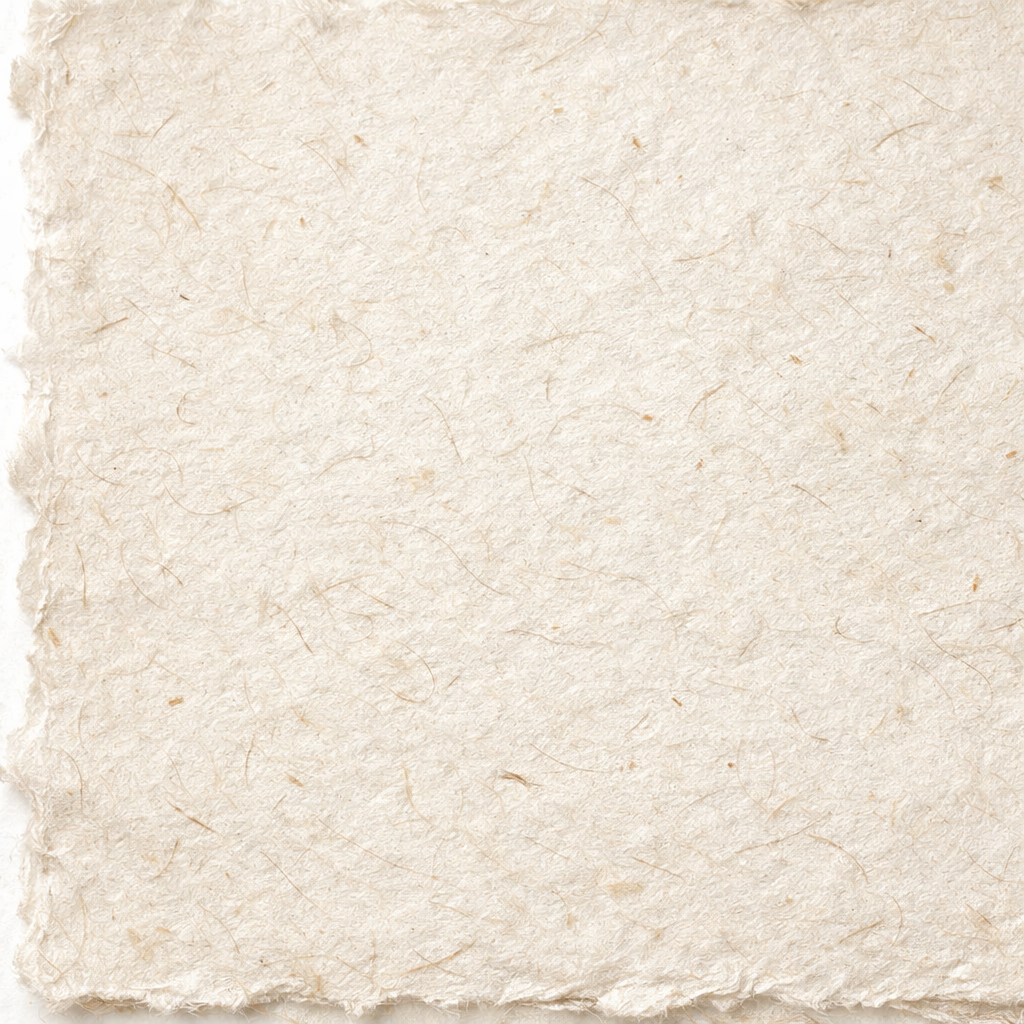
Mulberry paper, often called kozo paper, is made from the inner bark of mulberry trees. The long fibers give it a strength that feels delicate but holds up to folding and light tearing.
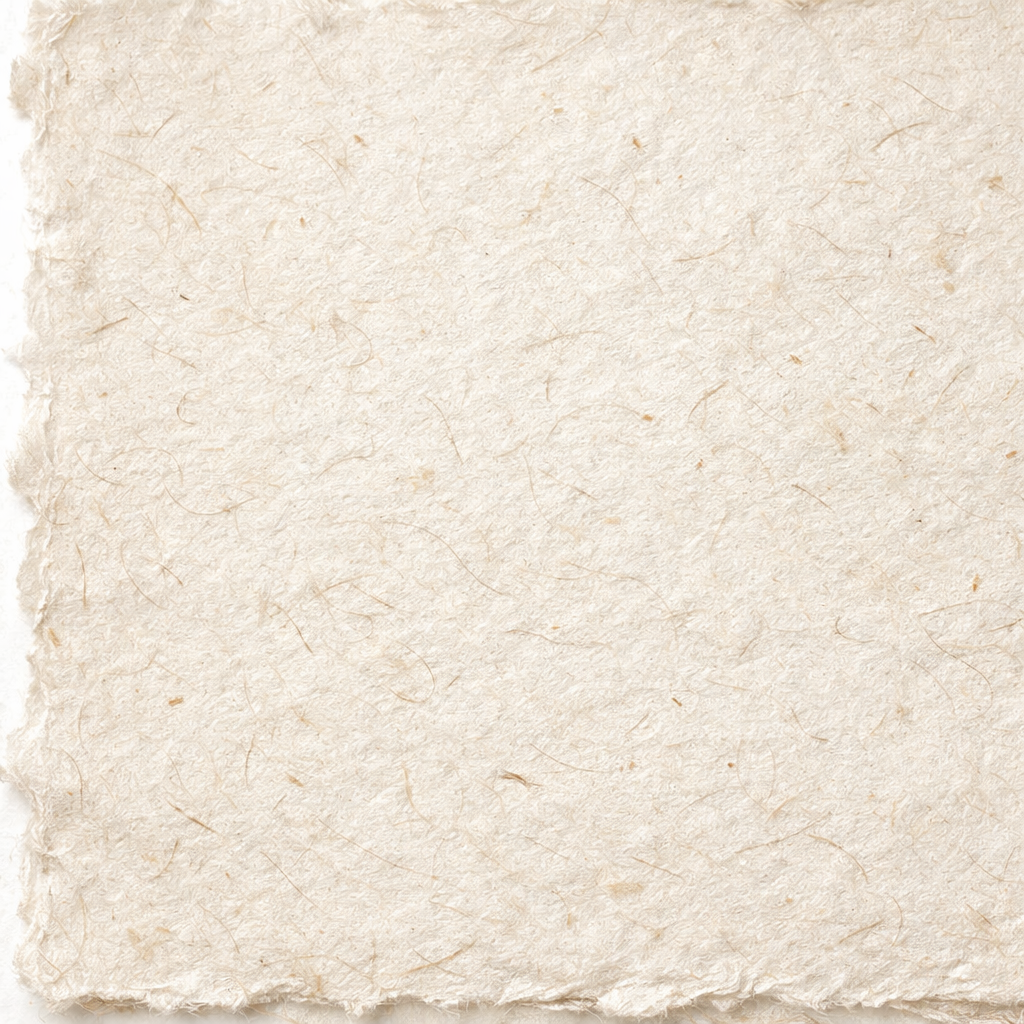
When you run your finger over the surface you’ll feel a subtle grain. That grain creates tiny valleys that can catch graphite, charcoal or colored cores. The paper also soaks water and ink well, which means it can absorb some of the graphite binder.
Because of its absorbency, a hard lead may sit on the surface and leave a faint line, while a soft lead can sink in and create a richer dark.
Strength and flexibility are two key traits. The paper can be torn along the grain for a natural edge, and it stays flat when stored properly. Store it flat in a dry place, between acid‑free tissue sheets.
Artists often use mulberry paper for mixed‑media work because it can take watercolor washes without warping. That same absorbency can affect graphite too , the paper may pull a bit of the binder, making the mark look softer.
When choosing pencils, keep these traits in mind: you need a lead that can grip the fibers without smearing, and a core that won’t crumble under the paper’s slight give.
According to Wikipedia, kozo paper has been used for centuries in East Asian calligraphy and printmaking, prized for its durability and texture. That history shows why modern artists still love it.
Bottom line:Know the paper’s absorbency and texture before you pick a pencil.
Step 2: Choose the Right Graphite Grade
Graphite pencils are graded from hard (H) to soft (B). A hard lead (like 4H) makes light, crisp lines. A soft lead (like 6B) gives deep, velvety tones.
On mulberry paper, you’ll often want a middle range , around HB to 2B , because the paper’s fibers hold soft marks well, but a very soft lead can sink too far and look blotchy.
Start with an HB or F (firm) pencil. Sketch the outline of a simple shape. If the line looks faint, move to a 2B. If it looks too dark or smears, step back to H.
- HB , good for initial outlines.
- 2B , adds depth without over‑saturating the paper.
- 4B , use sparingly for shadows.
Remember the research finding that only 1 of 9 pencils (11%) mentions smooth blending on mulberry paper. That means most brands don’t give you guidance, so testing is key.
The Arrtx sketching set reviewed by The Art Gear Guide shows a grade range from 4H to 8B. The reviewer notes that the 4H core is a bit brittle, while the 8B core is soft and lays down rich darks. That insight helps you decide which grades to include in your kit.
When buying, look for pencils that list a clear hardness range. Avoid “artist grade” labels that hide the exact H/B number.
Our own expert at Drawing Pencils Guru recommends building a core set: HB, 2B, 4B, and a 2H for fine lines. This gives you flexibility without overwhelming your sketchbook.
For more detailed advice on picking pencils for different paper types, see the best guide on how to choose pencils for sketching on watercolor paper. The principles are similar, just adjust for mulberry’s texture.
Bottom line:Choose a middle‑range graphite grade to match the paper’s absorbency.
Step 3: Test Pencil Core Hardness on Mulberry Paper
Testing is the only way to be sure a lead works with your specific sheet. Grab a scrap piece and follow this quick routine.
1. Sharpen the pencil to a fine point using a metal hand‑crank sharpener. A clean tip lets you see how the lead contacts the fibers.
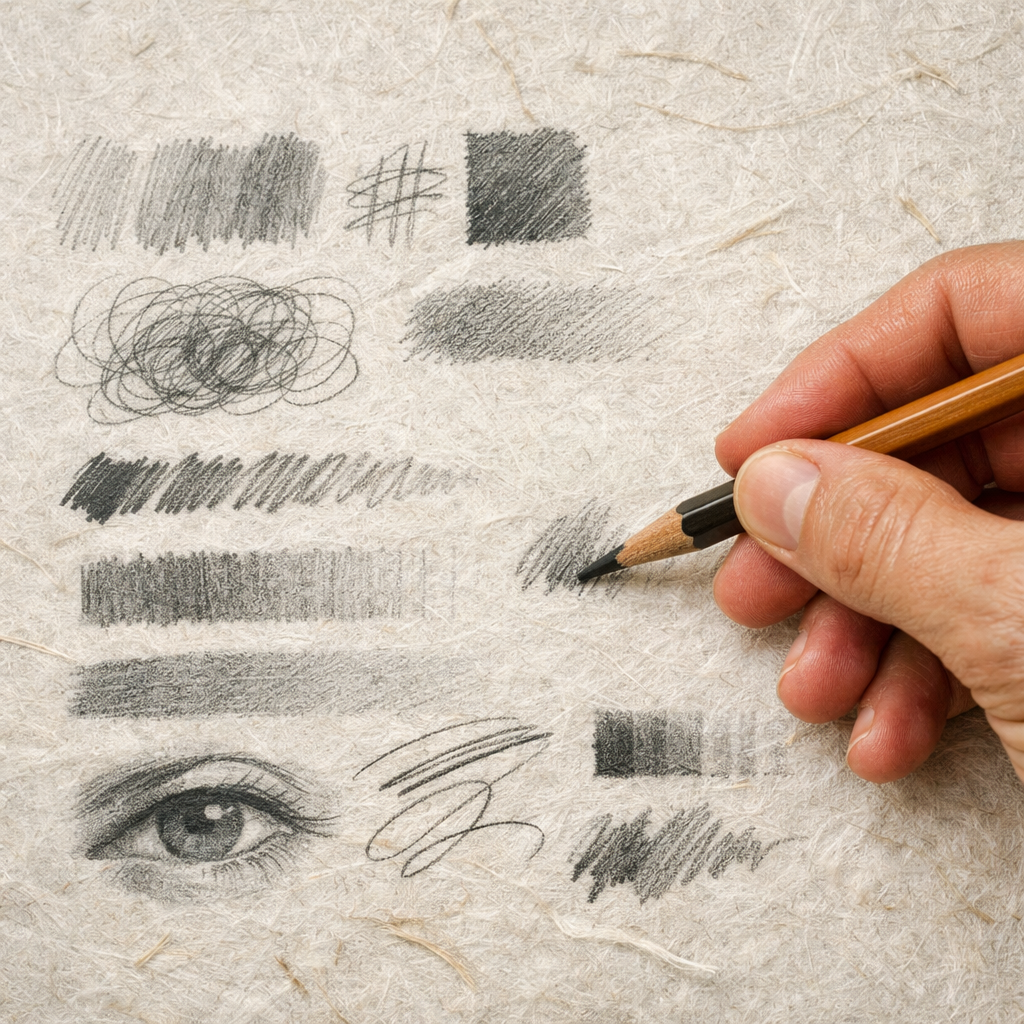
2. Draw a straight line with light pressure. Observe whether the graphite sits on top or sinks.
3. Increase pressure gradually. Note when the line turns from light gray to dark black.
4. Switch to a circular motion to test blendability. If the marks smear too much, the core may be too soft for the paper.
5. Finally, erase a portion with a soft kneaded eraser. A good pencil will lift cleanly without tearing fibers.
During testing, you may notice that some pencils feel grainy. That often points to a hard core that isn’t making enough contact with the paper’s fibers.
If a pencil leaves a faint line even at heavy pressure, try a softer grade. Conversely, if a soft lead smears instantly, step up to a harder grade.
Document each test in a simple table. Below is a template you can copy into your sketchbook.
After filling the table, you’ll see which grades give the cleanest marks on mulberry paper.
Bottom line:Test each pencil on a scrap before committing to a full set.
Step 4: Evaluate Finish, Blendability, and Lightfastness
The finish of a pencil, whether it’s a smooth, satiny lead or a more matte texture, affects how it blends on mulberry paper. A smoother core slides over the fibers, while a gritty core can catch and create texture.
Blendability matters when you layer tones. The Xin Bowen charcoal set claims “smooth blending” on mulberry paper, a rare feature for charcoal. Even though charcoal is usually coarse, this set uses a softened core that works surprisingly well on delicate surfaces.
To evaluate finish, draw a gradient from light to dark using the same pencil. If the transition feels even, the finish is likely suitable.
Lightfastness is how well a mark resists fading over time. Graphite is generally stable, but some oil‑based colored pencils can fade. The Arrtx review notes that most graphite pencils are lightfast, though the reviewer didn’t find a measurable rating.
For a solid reference on lightfastness, see Wikipedia’s Lightfastness page. It explains why pure graphite remains dark for decades, while pigments may need UV protection.
When you compare pencils, create a simple pros‑cons list:
- Arrtx Sketching Pencils , bright barrel, good grade range, smooth core.
- Xin Bowen Charcoal Set , rare smooth blending claim, soft core.
- Standard Graphite Sets , reliable lightfastness, varied grades.
Remember the data gap: only 11% of sampled pencils mention blending. That means you’ll rely on personal testing for most brands.
Bottom line:Finish, blendability, and lightfastness decide whether a pencil will keep its look on mulberry paper.
FAQ
Can I use charcoal pencils on mulberry paper?
Yes, but choose a charcoal set that advertises smooth blending, like the Xin Bowen charcoal pencils. Test on a scrap first because charcoal can be gritty and may tear delicate fibers if applied too heavily.
What hardness range works best for beginners?
Beginners should start with HB and 2B pencils. HB gives clear outlines, while 2B adds depth without overwhelming the paper. Add a 2H for fine details if you need extra control.
Do colored pencils work on mulberry paper?
Oil‑based colored pencils can work, but they may sit on top of the paper and appear less vibrant. Test a small area and seal the finished piece with a fixative to protect the pigment.
How do I sharpen pencils without breaking the lead?
Use a high‑quality metal hand‑crank sharpener. Sharpen slowly and avoid applying too much pressure. For very soft leads, a craft knife can give a clean point without crushing the core.
Is a hard lead better for fine line work?
A hard lead (H or 2H) produces crisp lines that stay thin even under pressure. It’s ideal for architectural sketches or detailed patterns on mulberry paper, where you want the line to stay defined.
What eraser should I use on mulberry paper?
A soft kneaded eraser works best. It lifts graphite gently without pulling at the fibers. Avoid hard rubber erasers, which can tear the delicate surface.
How do I store mulberry paper to keep it flat?
Keep the sheets flat between acid‑free tissue paper in a cool, dry drawer. Avoid humidity, as the paper can absorb moisture and warp.
Do I need a special fixative for mulberry sketches?
If you used charcoal or oily colored pencils, a light spray fixative helps lock the marks. Choose a fixative labeled safe for delicate papers and spray from a distance of about 30 cm.
Conclusion
Picking the right pencils for mulberry paper is part science, part experiment. Start by learning the paper’s texture, choose a balanced graphite grade, test each lead on a scrap, and evaluate finish, blendability and lightfastness. The data shows only a small slice of pencils give clear blending info, so your own testing matters.
Drawing Pencils Guru recommends building a core set of HB, 2B, 4B and a 2H, then expanding as you discover what each grade does on your favorite sheets. With the right tools, your sketches will capture the paper’s natural beauty instead of fighting it.
Ready to build your kit? Grab a few pencils, grab a fresh mulberry sheet, and start drawing. The perfect match is just a few tests away.
