
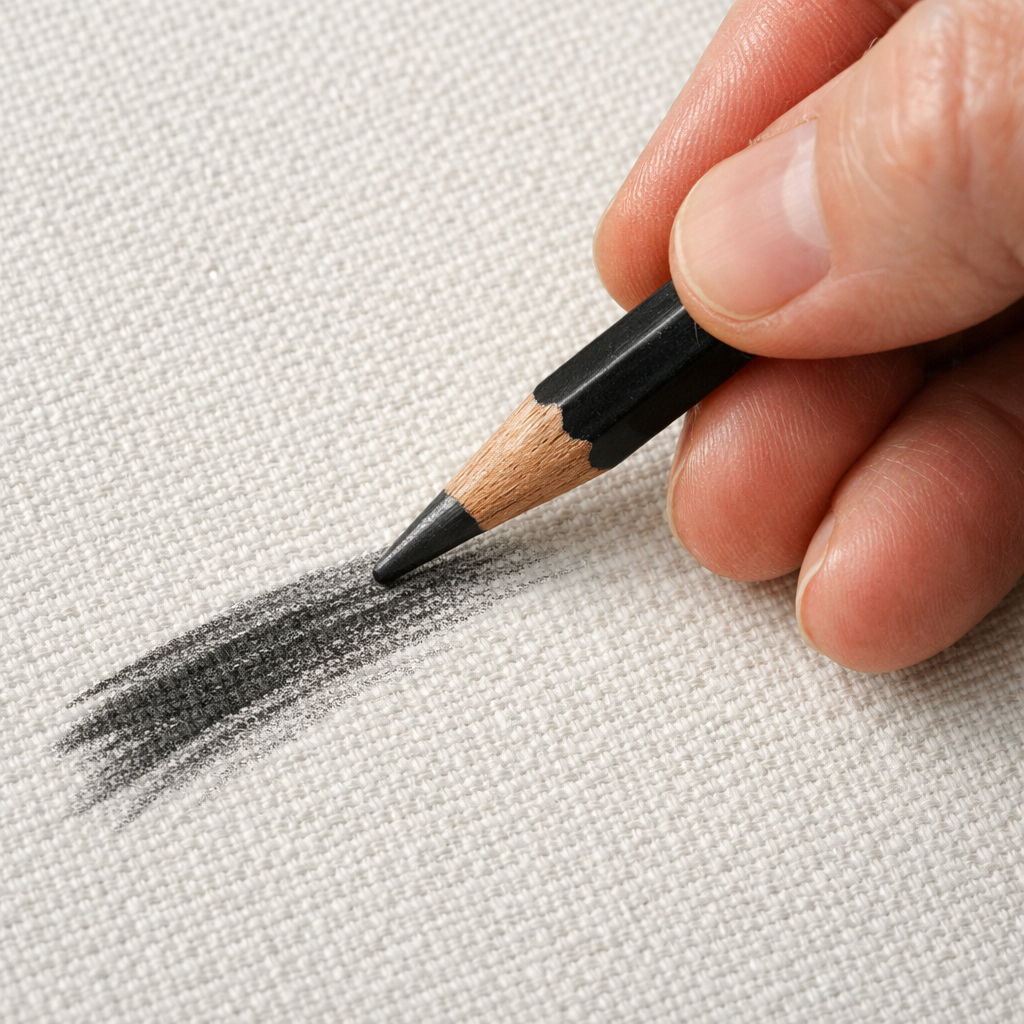
Finding a pencil that works well on canvas paper can feel like hunting for a needle in a haystack. Most cheap graphite sticks leave uneven lines or break too often, and the wrong hardness can ruin a sketch before you even finish the first stroke. In this article you’ll get a short, clear list of the best pencils for canvas paper, plus tips on what to look for and how to match them to your style.
1. Staedtler Mars Lumograph , Classic Graphite Range
The Staedtler Mars Lumograph line has been a go‑to for artists for decades, and for good reason. The range covers grades from 9H to 9B, so you can start with a hard H for light outlines and finish with a soft B for deep shadows. The wood casing is strong, which means the point stays sharp longer , a real plus when you’re working on a textured canvas surface.
Canvas paper tends to be a bit more porous than smooth drawing paper. A harder lead (H or 2H) glides without digging in, while a softer lead (2B‑6B) lets you build rich tones in the folds and creases of the canvas texture. The Lumograph’s graphite core is a blended mix that gives a buttery feel without being too waxy, so you won’t see smudgy halos on the paper.
Artists who work on canvas paper often complain about breakage. The Lumograph’s hexagonal barrel distributes pressure evenly, which reduces the chance of snapping. If you prefer a round barrel, the same core is available in a round version , the performance stays the same.
When you need a clean erase, the Lumograph’s graphite erases cleanly with a soft vinyl eraser. Because the lead is not overly oily, you won’t leave a gray film that’s hard to lift off.
According to the pencil grading system explained by Winsor & Newton, the difference between a 4H and a 2H can be the difference between a faint sketch and a visible line on a rough canvas. The Lumograph’s consistent grading helps you plan those steps.
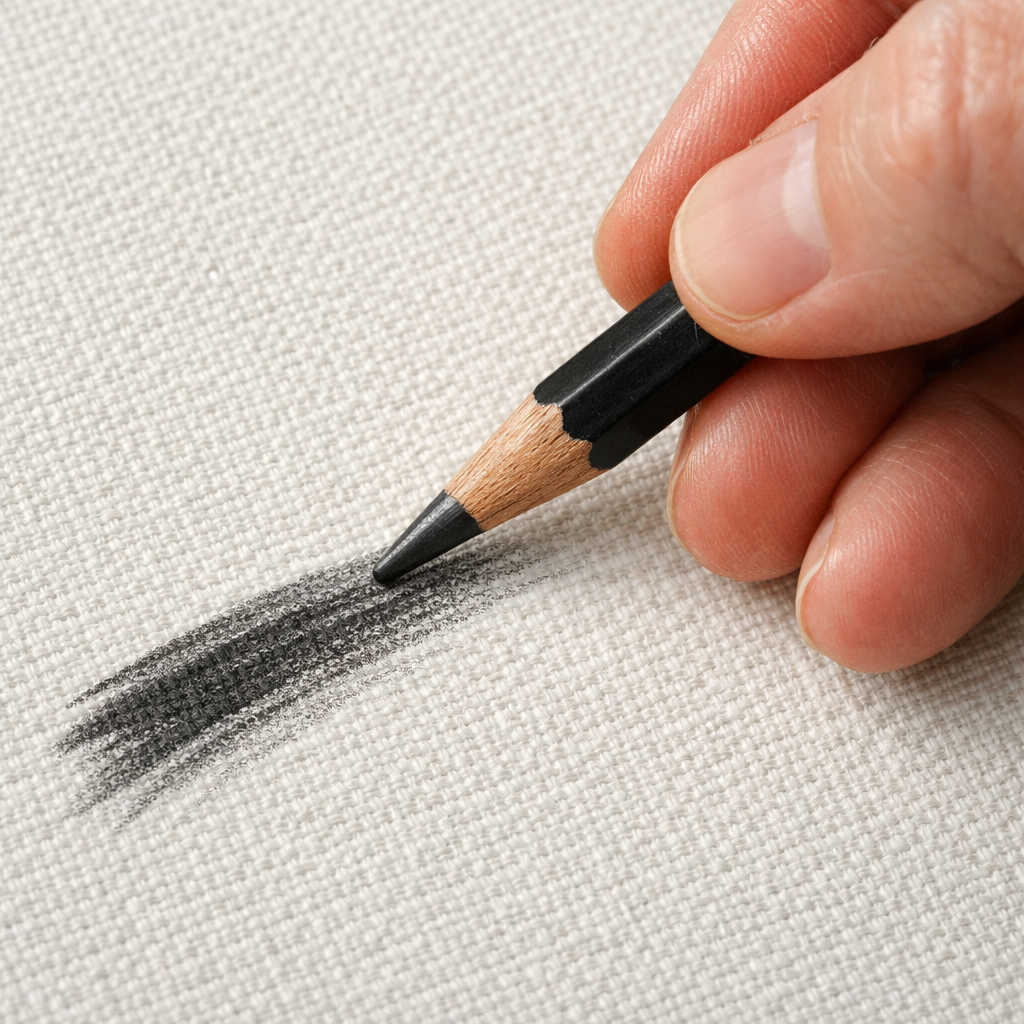
2. Faber‑Castell 9000 , Professional Graphite Pencils
The Faber‑Castell 9000 series is famous for its firm feel and clean, light lines. The pencils are made with a high‑purity graphite core that produces a bright, consistent tone from H to B grades. For canvas paper, the firm core gives you excellent control when you’re sketching fine details like fur or facial features.
One of the biggest challenges on canvas paper is the surface’s tendency to grip the graphite. The 9000’s slightly firmer lead helps the tip stay on the paper without digging in, which means you can keep a steady hand for longer. The wood is a fast‑drying cedar that holds a sharp point well, so you won’t have to re‑sharpen every few strokes.
Artists who need precise control love the 9000’s ability to produce a fine, crisp line even at low pressure. When you move to a softer grade (2B‑4B) the transition stays smooth, letting you add depth without a sudden jump in darkness.
“The 9000 pencils hold a fine point exceptionally well, making them ideal for crisp hair and whisker detail.” , Professional pet portrait artist
Because the 9000 series uses a high‑grade graphite, it erases cleanly with a kneaded eraser. You can lift off highlights without tearing the canvas paper fibers, which is important for layered sketches.
For more on how graphite composition affects performance, see the Wikipedia entry on graphite. It explains why a purer graphite core yields smoother lines and easier erasing.
We recommend pairing the 9000 with a medium‑hardness grade (HB or F) for initial outlines, then stepping down to 2B for shading. This workflow works well on the slightly textured surface of canvas paper.
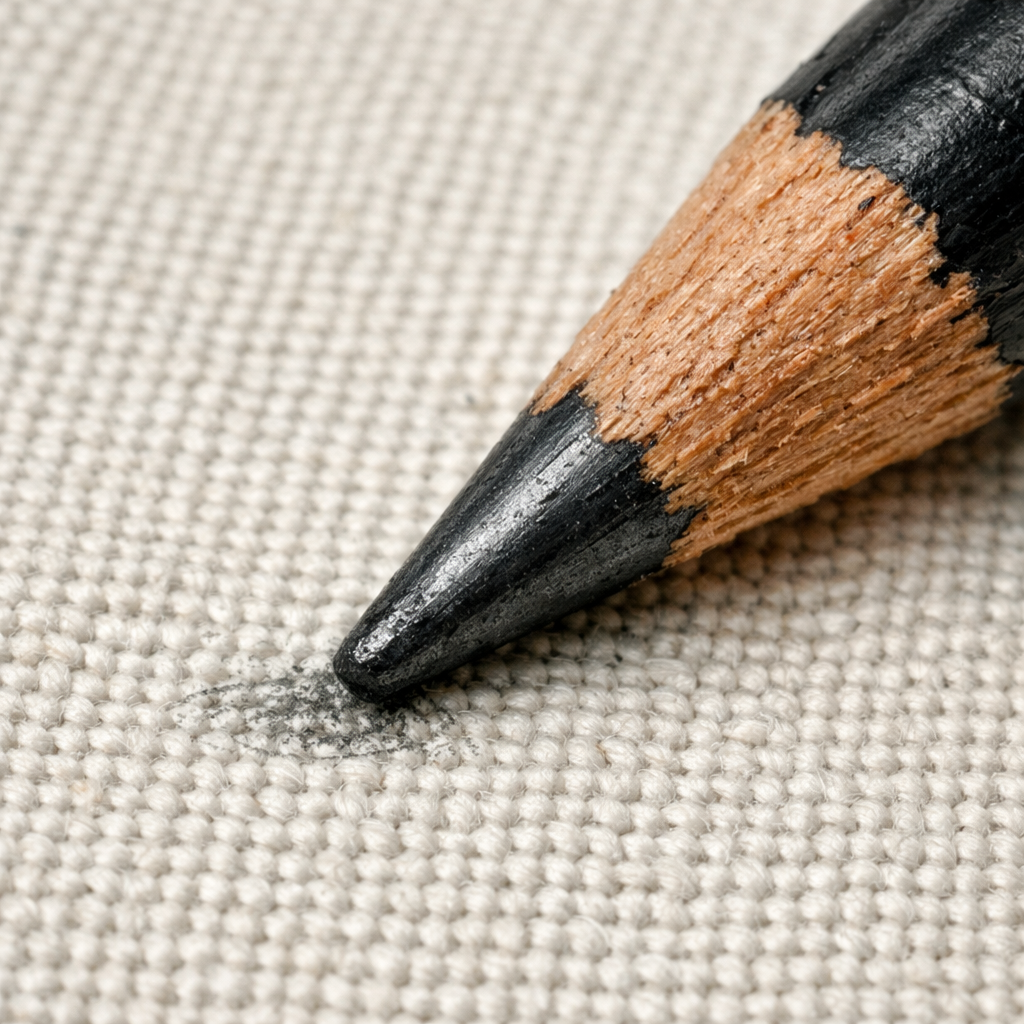
3. Derwent Graphic , Versatile Sketching Pencils
Derwent Graphic pencils are a favorite among art schools because they give a wide tonal range in a single set. The line spans 9H to 9B, so you can experiment with everything from fine, hard lines to deep, rich shadows without swapping pencils.
The core is wax‑based graphite, which makes the lead glide smoothly across canvas paper. That smoothness helps you avoid the snagging that can happen with harder, more brittle leads. The wax also makes the pencils blend well, so you can create soft gradients even on a slightly rough surface.
Derwent’s barrels are slightly thicker, giving a comfortable grip for long sketch sessions. When you need a super‑fine point, a regular sharpener will get you down to a razor‑thin tip without breaking the lead.
In a recent discussion on an artist forum, users praised the Derwent Graphic set for its consistency across grades. They noted that the 2H works well for light sketch lines on canvas paper, while the 6B gives a dark, velvety tone for shadow work.
Because the core is wax‑based, the pencils can be erased with a soft vinyl eraser without smearing. This is handy when you’re correcting a line that’s too dark on a light canvas surface.
Derwent also offers a small selection of water‑soluble versions, but for pure graphite work on canvas paper the regular Graphic line is the most reliable.
4. Tombow Mono 2 , Smooth Hardness Gradient
Tombow’s Mono 2 pencils sit on the harder side of the scale, ranging from 4H to 4B. The harder grades give you crisp, controlled lines that sit nicely on the slightly textured surface of canvas paper without digging in.
The core is a high‑purity graphite blend that feels smooth but still offers a bit of bite. That bite is useful when you want a line that holds its shape, especially for intricate details like hair strands or fine architectural edges.
One artist who works exclusively with pet portraits says the Mono 2’s hardness makes it easy to capture the subtle whisker marks on a canvas‑paper base. The pencil holds a point for longer than many softer leads, so you spend less time sharpening and more time drawing.
“The Mono 2’s hard lead provides clean, controlled marks for intricate fur texture on canvas paper.” , Professional pet portrait artist
The wooden barrel is a light, fast‑drying cedar that resists warping. Even after weeks of use, the pencil maintains its balance, which helps you keep a steady hand.
Because the Mono 2 is harder, you may need to apply a bit more pressure for dark areas. Pair it with a softer lead like Derwent’s 4B for deep shadows, and you’ll get a full tonal range without switching brands.
The Tombow Mono 2 also works well with a blending stump. Lightly rub the stump over a 2H line and you’ll see a smooth transition into a 4H tone, perfect for subtle shading on textured paper.
5. Quick Comparison Table , Pencil Features at a Glance
How to Choose the Right Pencil for Canvas Sketching
Start by testing a hard grade (H or 2H) on a scrap piece of your canvas paper. If the line looks faint and the tip stays sharp, you’ve found a good starting point. Next, try a mid‑soft grade (HB or F) to see how the paper accepts a bit more darkness without smudging.
If you need deep shadows, move to a soft grade (2B‑4B) and observe how the lead deposits graphite into the paper’s pores. The right mix of hard and soft leads lets you build tone gradually, which is especially helpful on the slightly absorbent surface of canvas paper.
Consider the wood casing, too. A strong cedar barrel resists breakage and keeps the point intact longer , a real time‑saver when you’re sketching outdoors or in a studio where you can’t sharpen often.
FAQ
What hardness should I start with on canvas paper?
Begin with a hard grade like 2H or H. These grades give you a light line that’s easy to erase and won’t dig into the paper fibers. Once you’re comfortable, add a mid‑soft grade such as HB for shading. This approach lets you build depth without overwhelming the paper’s texture.
Do I need a special eraser for canvas paper?
A soft vinyl eraser works best. It lifts graphite cleanly without smearing the slightly porous surface. If you need to lift only a tiny highlight, a kneaded eraser lets you press and pick out the graphite without leaving a gray residue.
Can I use mechanical pencils on canvas paper?
Yes, but choose a mechanical lead that matches the hardness you’d use in a wooden pencil. A 0.7 mm 2H lead gives you fine control, while a 0.9 mm 2B lead provides richer darks. Mechanical pencils avoid breakage, which can be handy on a rough canvas surface.
How often should I sharpen my pencils?
Sharpen whenever the tip feels dull or starts to snag. On canvas paper, a slightly blunter tip can help you create broader strokes, but for fine detail you’ll want a crisp point. Keep a small, high‑quality sharpener handy and sharpen in short bursts to avoid breaking the lead.
Is there a price difference worth noting?
Price varies by brand and set size. Staedtler and Faber‑Castell tend to be mid‑range, offering good value for their durability. Derwent’s full 9‑grade set is pricier but gives the widest tonal range. Tombow’s Mono 2 is affordable and excels at hard detail work, making it a budget‑friendly option for artists who need precision.
Will these pencils work on other paper types?
Absolutely. The same pencils perform well on smooth Bristol, textured watercolor paper, and even heavy‑weight drawing pads. Adjust the hardness you use based on each paper’s texture , harder grades for smoother surfaces, softer for rougher ones.
How do I store my pencils to keep them in good shape?
Store them in a dry, temperature‑stable box. Humidity can cause the wood to swell, which may blunt the point faster. A simple pencil case with a silicone grip keeps the pencils upright and protected from accidental knocks.
Are the recommended pencils safe for kids?
All the pencils listed are non‑toxic and meet ASTM safety standards. However, younger kids should be supervised when using sharp points, especially on textured canvas paper which can catch the lead more easily.
Conclusion
Picking the right pencil for sketching on canvas paper isn’t a mystery. The four picks above , Staedtler Mars Lumograph, Faber‑Castell 9000, Derwent Graphic, and Tombow Mono 2 , cover the full hardness spectrum, give you reliable point retention, and work smoothly on the slightly textured surface of canvas paper. Test a hard grade first, add a mid‑soft for shading, and finish with a soft B for deep shadows. With the right tools you’ll see cleaner lines, richer tones, and fewer broken tips, letting your ideas flow straight onto the canvas.
Ready to upgrade your sketch kit? Explore more detailed buying advice on How to Choose Pencils for Sketching on Textured Paper and start creating art that truly stands out.
