
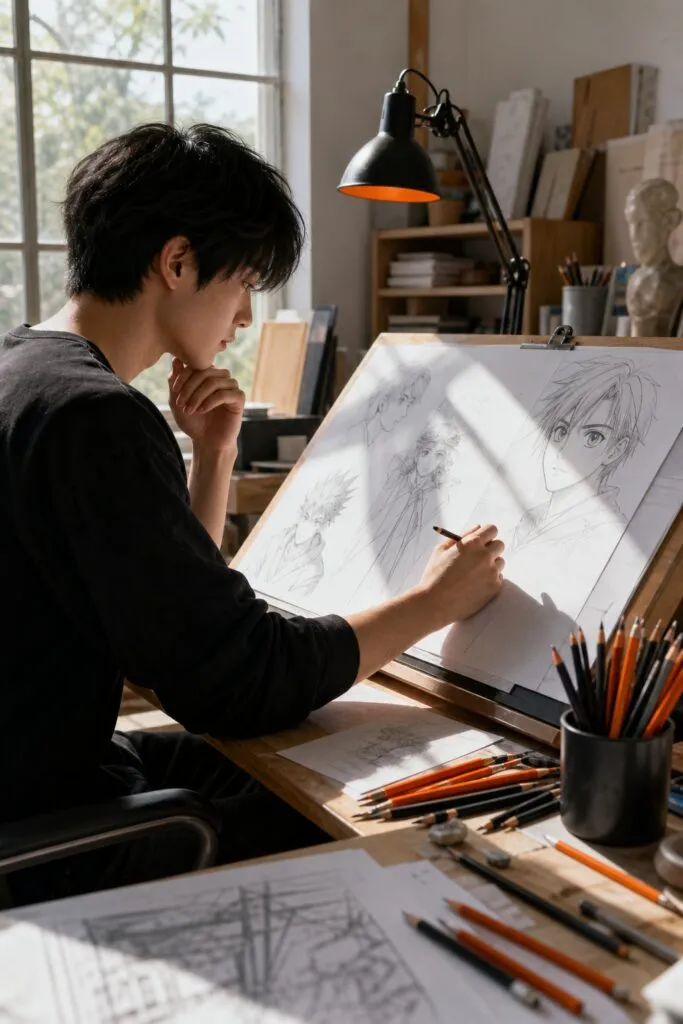
Finding the right pencils can make the difference between a flat sketch and a character that pops off the page. Below is a step‑by‑step guide that walks you through the decisions you need to make, from style to final test sketch.
Step 1: Assess Your Manga Style and Shading Needs
First, ask yourself what kind of manga you draw. Do you favor clean, sharp line art for a shōnen look, or soft, blended tones for a shōjo feel? Your answer tells you whether you need harder leads for crisp lines or softer leads for smooth shading.
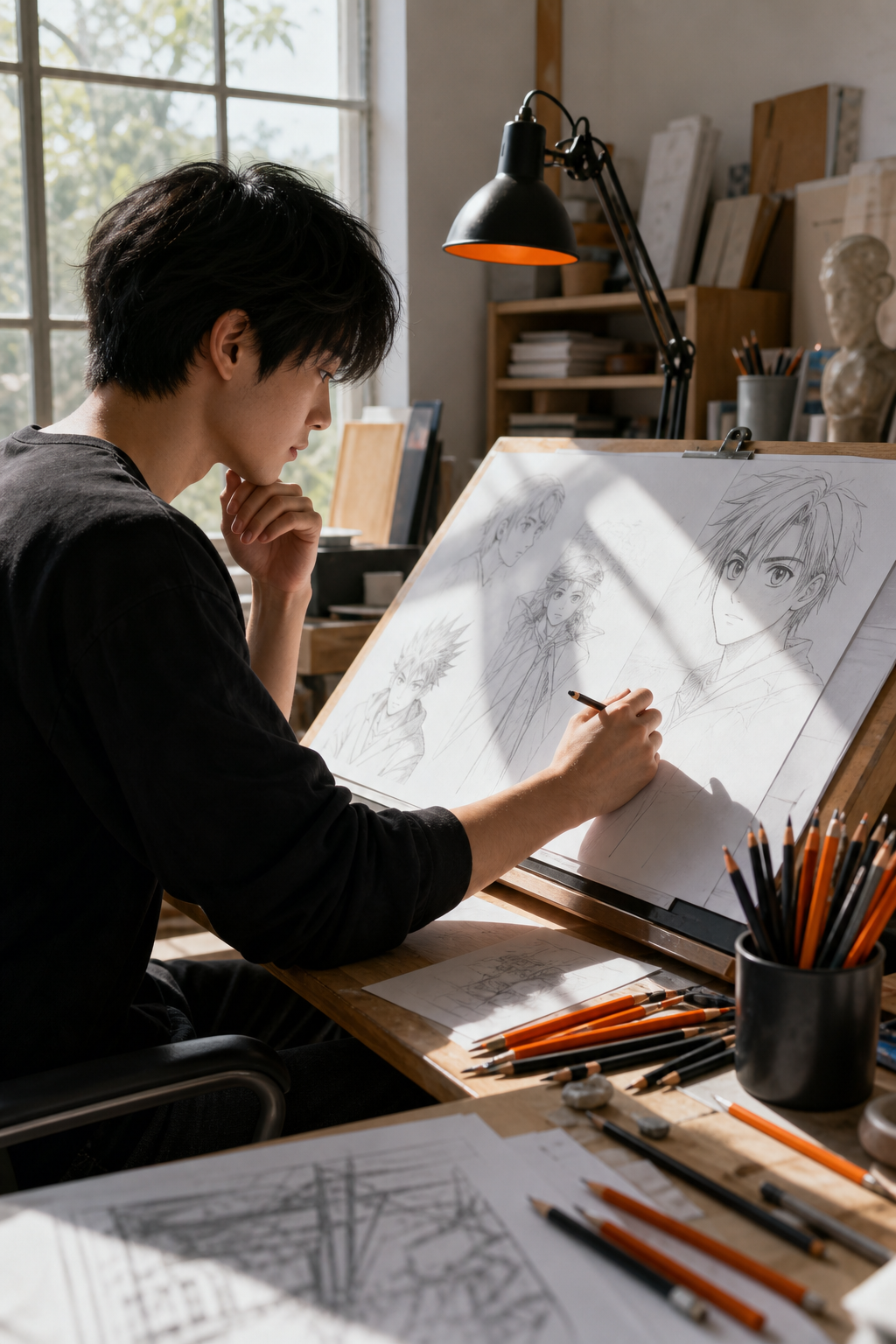
Next, think about the typical paper you use. Smooth Bristol takes a softer lead without tearing, while textured Bristol or newsprint benefits from a harder grade that won’t smudge too much. Knowing your paper helps you narrow the hardness range you’ll need later.
Drawing Pencils Guru often recommends starting with a mixed‑grade set so you can experiment before you commit to a full kit. This approach saves money and lets you discover the feel that matches your style.
Step 2: Choose the Right Graphite Hardness for Line Work
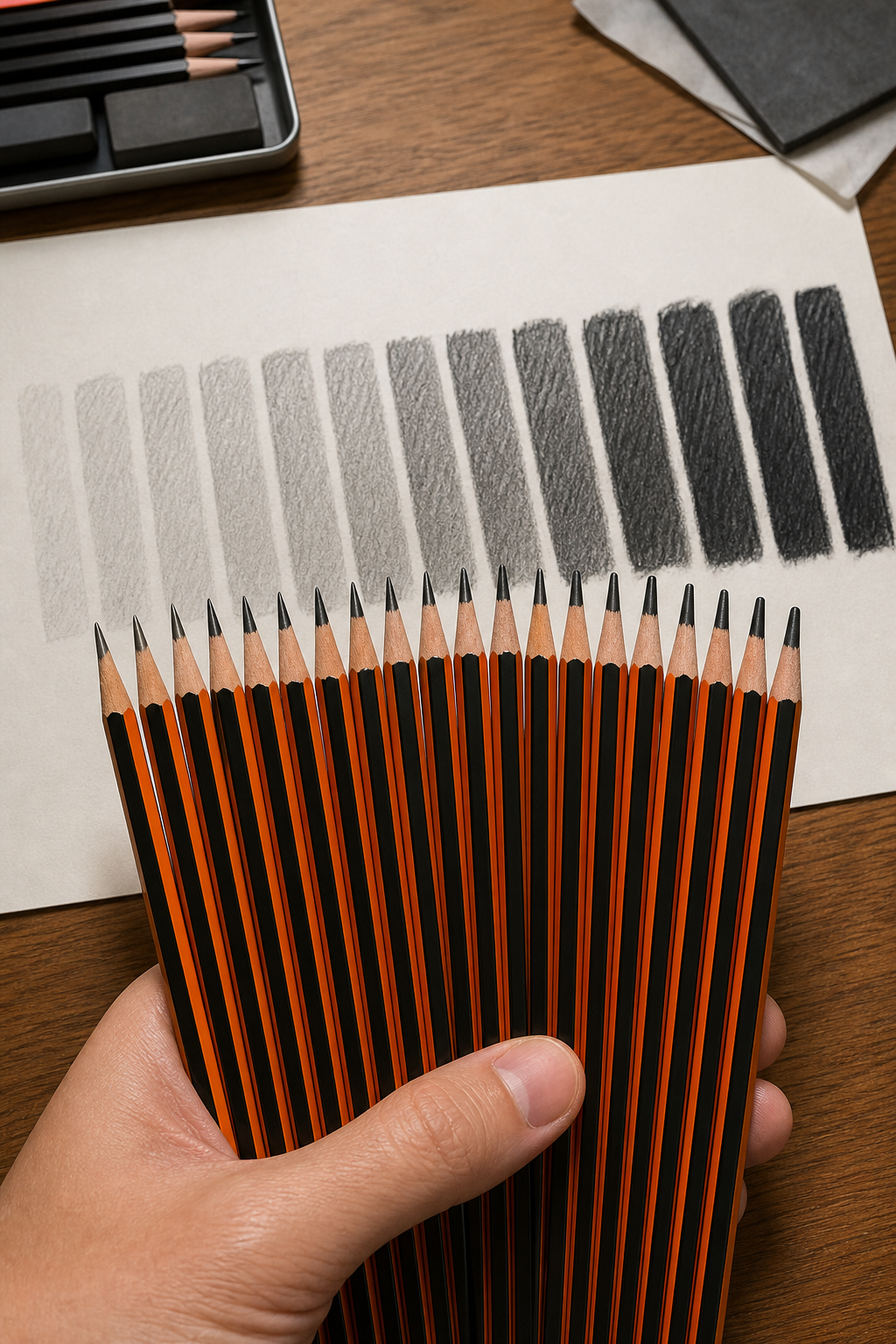
Graphite hardness is measured on a scale from 9H (hardest) to 9B (softest). For most manga line work, artists gravitate toward 2H‑HB for fine, clean strokes that stay sharp under ink.
According to Wikipedia’s entry on graphite, harder leads (H grades) produce lighter lines and resist smudging, while softer leads (B grades) create darker, richer strokes. If your style leans toward high‑contrast, you might reach for a 2B or 3B for bold outlines, then switch back to 2H for delicate details.
When you pick a hardness, test it on a scrap of your usual paper. Draw a quick line, press lightly, then press harder. The pencil that gives you control without breaking is the one to add to your kit.
For a deeper look at budget‑friendly options, see our Best Drawing Pencils for Manga Artists , Top Picks 2026 guide.
Step 3: Select Specialty Pencils for Tonal Depth
Beyond standard graphite, three niche pencils show up in recent YouTube reviews. Pinto 0.9 P209 is praised for quick, light sketches before inking. Pilot’s non‑photo blue LED pencil lets you draw under‑layers that won’t show up on scans. Metaill offers a metal‑nib pencil that promises endless durability.
Each of these tools serves a specific stage of the manga workflow. Use Pinto for loose thumbnails, Pilot for digital clean‑up, and Metaill when you need a pencil that won’t dull after hours of use.
Below is a short video that demonstrates how the non‑photo blue LED pencil behaves on different papers.
Step 4: Compare Top Pencil Options
Putting the data together helps you see where each pencil fits in your workflow. The table lists the three niche pencils we found plus a placeholder for a custom kit you might build with Drawing Pencils Guru.
A balanced set of tools can improve consistency across projects, which matches the idea of a custom kit.
Step 5: Test and Refine with a Practice Sketch
Now that you have a shortlist, put each pencil through a short test. Draw a simple character head, then add hair, facial features, and a few shadows. Pay attention to line stability, how the lead blends, and whether the pencil smudges on your paper.
By the end of the sketch, you should see which hardness feels natural for your strokes and which specialty pencil adds the tonal depth you need. Keep a notebook of observations so you can repeat the process when you upgrade your set.
Artists who sit for long sessions often report back pain or fatigue. A quick stretch routine or a short yoga class can keep you comfortable. Stretching or yoga can help maintain steadiness during marathon drawing sessions.
FAQ
What hardness should I start with for manga line work?
Start with a 2H to HB range for clean lines; it gives enough bite without smudging too much.
Do non‑photo blue pencils work on all paper types?
They work well on smooth Bristol and heavier drawing paper; rough newsprint may cause the blue to appear faintly.
Is a metal‑nib pencil worth the extra cost?
If you draw for many hours a day, the durability of a metal nib can save you frequent sharpening, but the lack of hardness data means you’ll need to test it yourself.
How many pencils do I really need in a manga kit?
A core set of three grades (2H, HB, 2B) plus one specialty pencil covers most styles; you can expand as you discover new techniques.
Can I replace graphite with charcoal for manga shading?
Charcoal provides richer blacks but is messier and harder to erase, making it less ideal for detailed character work.
Pick the pencil that feels right in your hand, test it on your favorite paper, and then build a kit around those choices. For more detailed guidance, check out Drawing Pencils Guru’s full manga illustration guide and start sketching today.
