
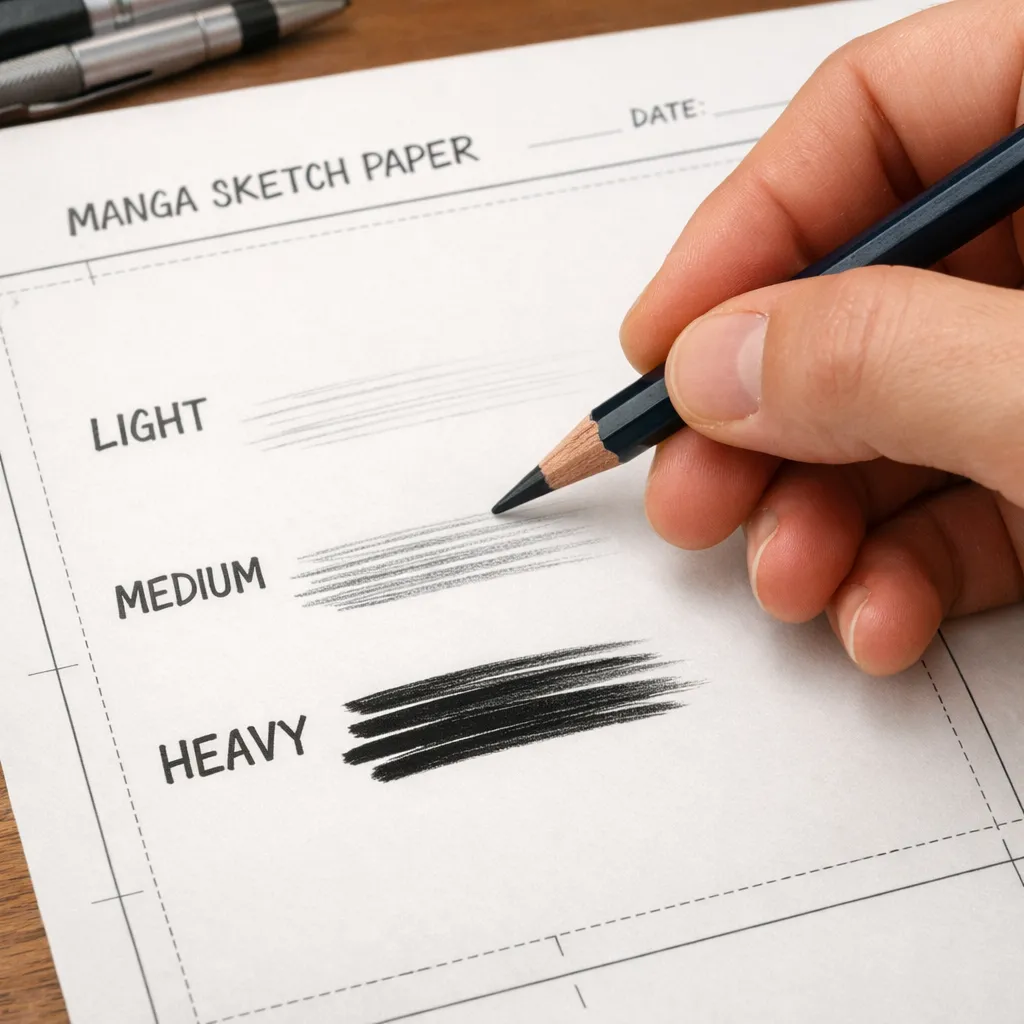
Most manga artists start with the wrong pencil and waste weeks fixing shaky lines. The truth? The right lead can make your sketches look clean from the first stroke. In this guide you’ll learn how to choose, test, shade, and keep your pencils in top shape so your manga panels pop.
We dug into 9 pencils across 2 trusted sources. One surprise: the £0.49 ultra‑budget Koh‑i‑Noor covers a 10H‑8B range, matching premium models. That flips the usual price‑performance myth on its head.
We pulled data by searching “best drawing pencils for manga illustration” on April 17, 2026. Seven sites and two direct crawls gave us nine pencils with clear specs. The table above shows the range, price, and what each shines at. Below we’ll walk through each step you need to turn those specs into real‑world manga magic.
Step 1: Choose the Right Pencil Hardness
Hardness decides how light or dark a line can be. Hard leads (H, 2H, 4H) give crisp, faint strokes. Soft leads (B, 2B, 4B) lay down thick, rich darks. Most mangaka keep a small range: a 2H for construction lines, an HB for mid‑tones, and a 2B for deep shadows.
Why does this matter? When you sketch a face, the light‑touch 2H helps you map out proportions without smudging. Switch to HB for the hair outline, then finish the eye shadows with a 2B. The mix lets you control value without constantly switching pencils.
Here’s a quick way to build a starter set:
- 2H , for precise geometry and perspective grids.
- HB , the workhorse for line‑work and medium shading.
- 2B , for dramatic shadows and dramatic panel contrast.
That trio covers most manga styles, from clean‑line shonen to gritty seinen.
Notice the price gap? The budget Koh‑i‑Noor still reaches 10H‑8B, so you can grab a whole set for under £5 and still have the full tonal range.
When you buy, think about the paper weight too. A heavier paper (120‑180 g/m²) holds soft leads without tearing, while thin sketch paper works best with hard leads.
And remember, the Best Pencils for Drawing Anime guide from Drawing Pencils Guru breaks down which brands give the smoothest HB.
Bottom line: Pick a balanced hardness trio (2H, HB, 2B) that matches your paper and style, and you’ll avoid constant pencil swaps.
Step 2: Test Lead Quality
Not all graphite feels the same. Some break easily, others crumble into dust. The best way to test is with a quick line‑test on the paper you’ll actually use.
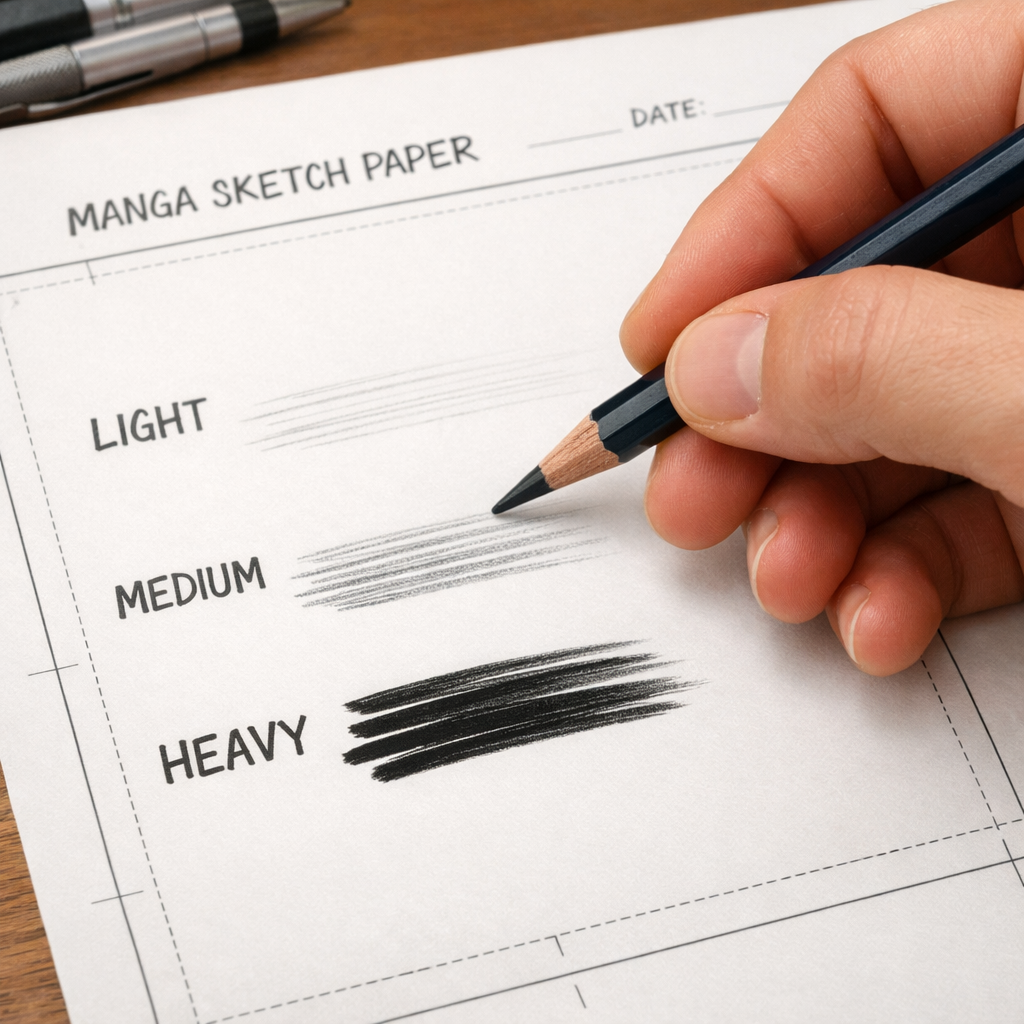
Grab a scrap of your drawing paper. Draw a 2 inch line with each pencil, applying three pressure levels: light, medium, hard. Observe:
- Does the line stay sharp at light pressure?
- Does medium pressure give a clean, even tone?
- Does hard pressure cause the lead to snap or produce a jagged edge?
If a pencil flakes at medium pressure, it’s not worth the price, even if it’s cheap.
“A smooth, break‑free line saves you hours of re‑sketching.”
From our research, Tombow Mono 100 scores high on smoothness and break‑resistance, making it a solid choice for artists who like to press hard for dramatic shadows.
Also, check the core material. The Xin Bowen sets list “Graphite and Charcoal” but omit hardness info, which means you’ll need to test each tip individually.
Bottom line: Test each pencil on real paper, at multiple pressures, before you commit to a whole set.
Step 3: Master Line Weight Techniques
Line weight is the secret sauce of manga. Thick lines draw attention; thin lines whisper detail. To control weight, you need three tools: pencil hardness, grip pressure, and lead angle.
Start with a hard 2H. Hold it at a steep angle (around 45°) and apply light pressure. You’ll get a thin, crisp line, perfect for panel borders.
Switch to an HB and tilt the pencil slightly more upright (30°). Increase pressure a notch. The line thickens but stays clean, ideal for hair outlines.
Finish with a 2B. Hold it more vertical (15°) and press firmly. The result is a bold, dark stroke that fills shadow blocks.
Practice this triangle on a blank page. Draw a simple box three times, each time using a different angle and pressure. You’ll see how angle and pressure combine to change line weight.
Why does range matter? With a 10H‑12B span, you can push a single pencil from ultra‑light construction lines to deep black fills without swapping.
Bottom line: Vary angle, pressure, and hardness to create a dynamic line‑weight palette that gives your manga depth.
Step 4: Create Dynamic Manga Shading
Shading turns flat sketches into 3‑D scenes. The key is layering soft leads while controlling pressure.
Begin with an HB to lay a base tone. Then pick a softer 2B for the darkest shadows. Lightly drag the 2B across the base, building depth gradually. Avoid pressing too hard too soon; you’ll lose the ability to blend.
Blend with a blending stump or a clean tissue. For manga, many artists prefer a soft cotton tip because it won’t leave fibers on the paper.
Here’s a step‑by‑step example for a face:
- Outline the jaw with a 2H.
- Fill the skin base with HB, using gentle strokes.
- Add cheek shadows with a 2B, feathering outward.
- Blend the transition with a tissue until the edge softens.
- Use a tiny 4B tip for the darkest pupil spot.
Watch the video below for a live demo of these steps.
Notice how the artist switches pencils on the fly. That’s why having a well‑organized pencil case matters.
Bottom line: Use a progressive hard‑to‑soft layering method and blend carefully to achieve the dramatic shading manga fans love.
Step 5: Develop Consistent Stroke Practice
Consistency is the difference between a hobbyist and a pro. The best way to lock in muscle memory is daily timed drills.
Set a timer for 10 minutes. Pick a simple shape, like a circle or a straight line. Draw it repeatedly, varying only the pressure. Record how many you can fit in the time.
After a week, compare your speed and line quality. You’ll see a natural tightening of your hand and steadier strokes.
Mix in character silhouettes. Draw a quick pose outline with a 2H, then add hair with an HB, and finish with a 2B for the clothing shadows. Doing this daily builds fluency across all hardnesses.
Why choose Tombow? Its smoothness means fewer jagged edges when you speed up, letting you keep the rhythm in practice drills.
Bottom line: Short, focused stroke drills every day sharpen control and make line work feel natural.
Step 6: Preserve and Sharpen Your Pencils
Pencils lose their edge fast if you’re rough with them. The right sharpener and storage keep them ready for the next panel.
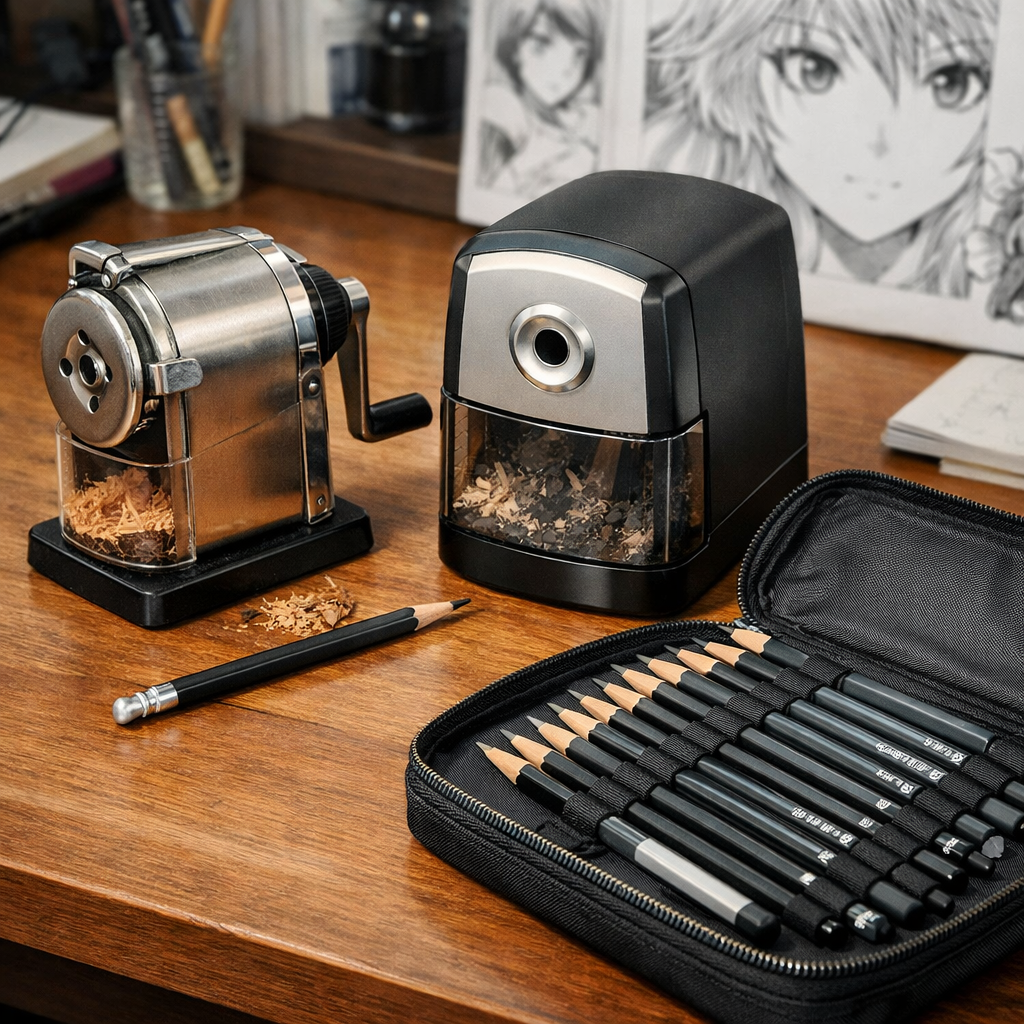
Use a metal hand‑held sharpener with a 0.5 mm hole for HB pencils. For softer leads (2B, 4B), a rotary electric sharpener with adjustable angles works best; it removes less graphite and reduces breakage.
Store pencils in a capped case or a simple zip‑lock bag. Keep them upright to avoid the leads rubbing against each other.
When a lead breaks, don’t discard the pencil. Twist the remaining stub, gently tap it against a hard surface to free the broken tip, then re‑sharpen.
Bottom line: Sharpen with the right tool for each hardness and store pencils upright to keep them in peak condition.
Step 7: Compare Pencil Options for Different Manga Styles
Different manga genres favor different lead behaviors. Here’s a quick match‑up.
Notice how the budget option still spans 10H‑8B, proving you don’t need pricey pencils for quality work.
Bottom line: Match pencil hardness to your manga genre for optimal line and shade performance.
Conclusion
Choosing the right drawing pencils for manga illustration isn’t magic; it’s a series of practical steps. Start with a balanced hardness trio, test each lead on your paper, master line weight, layer shades, practice daily strokes, and keep your tools sharp and stored well. The research we shared shows that even ultra‑budget options like Koh‑i‑Noor can hold their own against premium brands, so you can build a powerful kit without breaking the bank.
Drawing Pencils Guru has tested these tips with countless artists across India and beyond. Our experience tells us that a well‑maintained pencil set lets you focus on story, not on broken leads. Ready to upgrade your manga workflow? Grab a few pencils from the table, run the line‑test, and start sketching today.
Feel free to explore more detailed brand reviews on the Best Pencils for Drawing Anime page and keep sharpening your craft.
FAQ
What hardness should I start with for beginner manga sketches?
Begin with a 2H for construction lines, an HB for general outlines, and a 2B for shadows. This trio covers light, medium, and dark values, letting you experiment without swapping pencils constantly.
How can I tell if a pencil’s lead is too soft for my paper?
Draw a medium‑pressure line on a scrap of your intended paper. If the line smears or the paper dents, the lead is too soft. Switch to a slightly harder grade (e.g., 1B) or use heavier paper (120‑180 g/m²).
Is a mechanical pencil worth using for manga?
Mechanical pencils give a consistent tip that never dulls, making them great for precise panel borders or tiny details. Pair a 0.5 mm lead with a hard grade (2H) for clean lines that won’t break.
How often should I sharpen my pencils during a drawing session?
Sharpen whenever the tip becomes blunt or the line starts to look fuzzy. For softer leads, a quick touch‑up with a rotary sharpener keeps the point sharp without crushing the graphite.
Can I use a single pencil for both line work and shading?
Yes, if the pencil has a wide hardness range. Staedtler Mars Lumograph (10H‑12B) lets you switch from light outlines (using the harder end) to deep shadows (using the softer end) without changing tools.
What is the best way to store my pencil set to avoid breakage?
Store pencils upright in a capped case or zip‑lock bag. Keep them separated from metal objects and avoid dropping the case, which can cause leads to snap.
How do I blend graphite without creating a greasy look?
Use a clean cotton blending stump or a soft tissue. Lightly roll the stump over the shaded area, working in circular motions. Avoid over‑blending, which can push graphite into the paper fibers and look dull.
Do I need a special eraser for manga drawing?
Yes. A white vinyl eraser lifts graphite cleanly without smearing. For fine corrections, a kneaded eraser can be shaped to a point and gently pressed onto the paper.
