
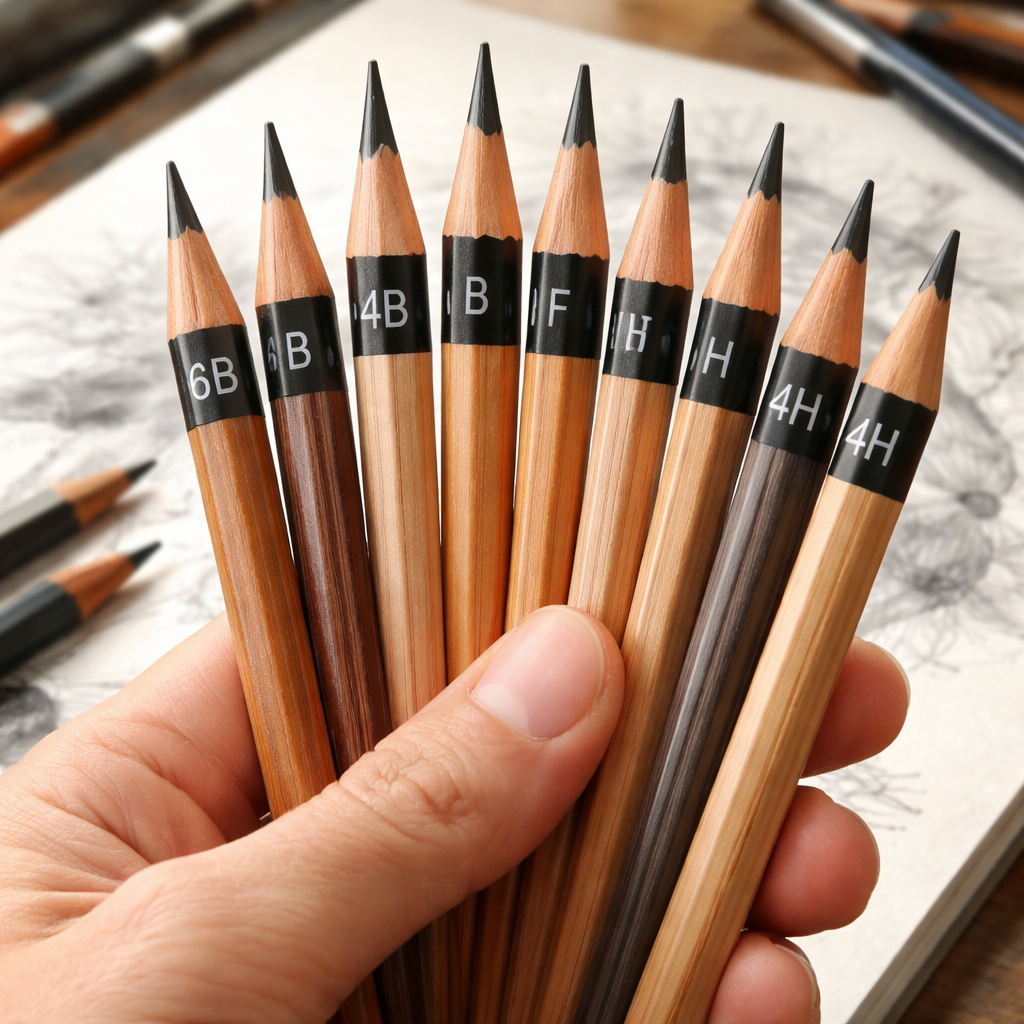
A good pencil can make or break a sketch. You’ve felt the frustration of a hard lead that scratches the paper, or a soft one that smudges too fast. That tug‑of‑war is why a solid drawing pencils review matters.
When you pick a pencil, you’re choosing a tool that shapes tone, texture, and detail. Think about a beginner in Mumbai who wants to draw a quick portrait for a school project. A sturdy, easy‑to‑sharpen lead helps them focus on lines, not on fiddling with the tool. That’s why many artists start with a set that covers a range of hardness. For a simple guide on the first set to buy, check out our Best Drawing Pencils for Beginners: Top Picks and How to Choose page.
Here’s a quick way to test a pencil before you buy: grab a scrap of the paper you’ll use, draw a light line, then press harder for a darker stroke. If the line stays clean and the paper doesn’t tear, the lead is balanced for both sketching and shading.
Next, think about how you store your pencils. A simple tin or a pencil case keeps them from breaking and stops dust from spreading on your desk. A quick wipe with a soft cloth removes graphite dust that can dull other tools.
By the end of this guide you’ll know which grades fit your style, how to keep your pencils sharp, and why a thoughtful review saves time and money.
Step 1: How to Choose the Right Drawing Pencil
Choosing the right drawing pencil can feel like a tiny puzzle, but it doesn’t have to be.
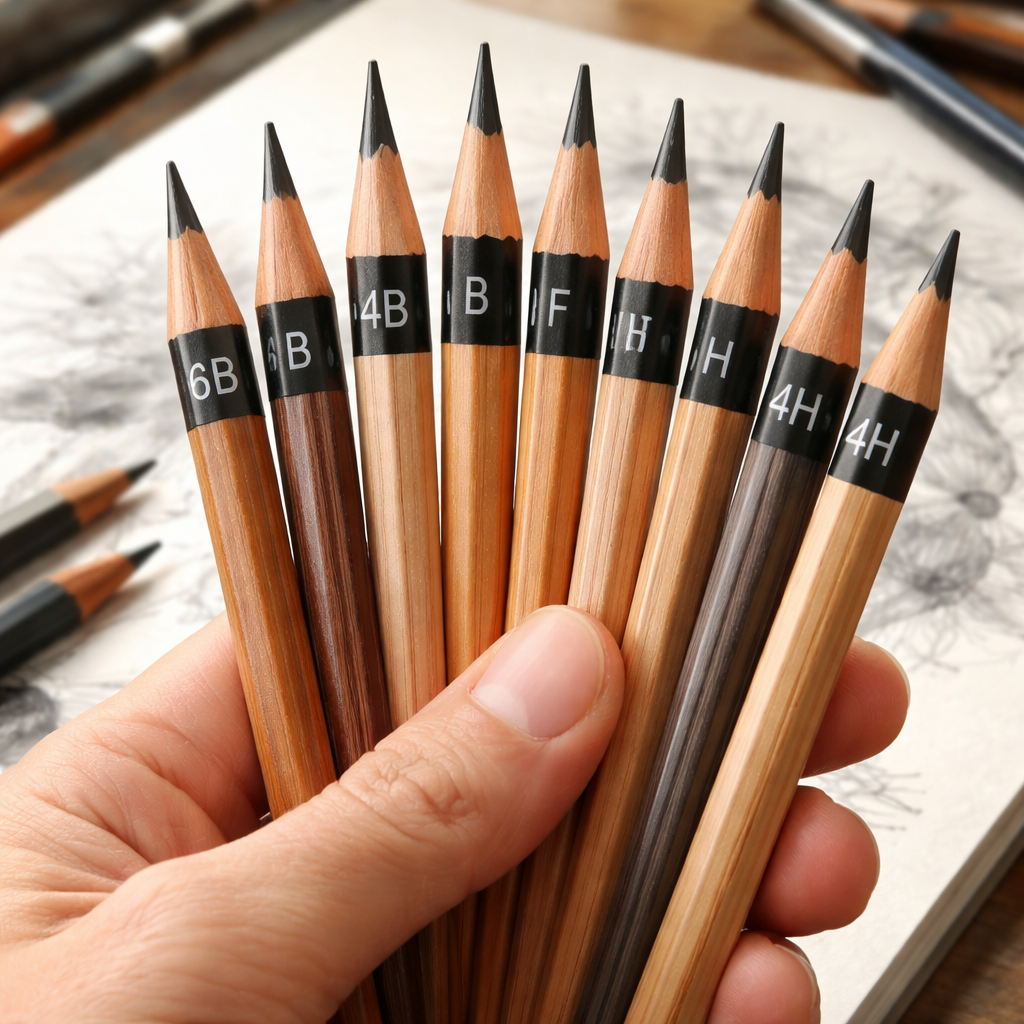
First, look at the hardness rating. The “H” side gives light marks, the “B” side gives dark ones, and “HB” sits in the middle.
If you sketch quick portraits for school, a medium‑hard range like 2H‑HB lets you draw fine lines without breaking.
Grab a scrap of the paper you’ll use, draw a light line, then press harder. If the line stays clean and the paper holds, the pencil is balanced.
For a deeper look at how pencils are graded, see this guide on choosing drawing pencils.
Next, check the wood type and shape. Cedar wood sharpens smooth, while hexagonal bars keep the pencil from rolling.
Many artists compare brands like Faber‑Castell, Staedtler, and Koh‑i‑Noor in a detailed drawing pencils review; you can read their thoughts here.
Watch the short video to see a quick demo of testing a pencil on paper.
After you pick a lead, think about storage. A simple tin or a zip‑up case protects the wood and stops dust from spreading.
Paper matters too. Rough paper lets a softer lead glide, while smooth paper shows every line from a hard lead. Try a 2H on Bristol board and a 4B on textured sketch pad to see the difference.
Budget-friendly sets often cover the full range from 6H to 6B, giving you room to experiment without buying each grade separately.
Keep your pencils sharp with a good sharpener and wipe dust with a soft cloth.
Step 2: Top 5 Drawing Pencils Reviewed
Here’s a quick drawing pencils review that lets you pick a tool that feels right in your hand and gives the line quality you need.
1. Golden Bear USA Blue #2
This cedar‑wood pencil scores high for smooth, dark marks and a firm grip. Testers say the wood smells faintly of forest when you sharpen it, and the replaceable eraser cleans without tearing the paper. It’s a solid value for anyone who sketches daily.
2. Dixon Ticonderoga Classic
A budget favourite that still lays down a clear No. 2 line. The hexagonal shape stops the pencil from rolling off a desk, and the eraser does an okay job of lifting light strokes. It’s the go‑to for students and hobbyists who need a reliable starter.
3. Blackwing 602
If you want a bit of luxury, the Blackwing’s incense‑cedar barrel feels buttery smooth, and its unique rectangular eraser lets you erase with precision. It’s pricey, but the comfort and consistency make it worth a try for serious artists.
So, which one feels right for your style?
4. Faber‑Castell Grip 2001 Eco Pencil
This is the only triangular pencil many testers recommend. The raised dots along the barrel give a secure grip, and the HB core behaves like a classic No. 2. It’s great if you struggle with hexagonal pencils.
5. Mitsubishi Hi‑Uni
Top of the list in a dedicated graphite‑pencil ranking. The B grades are incredibly dark, and the 22‑pencil set covers every shade from 10B to 10H. It’s a bit of an investment, but the tonal range is unmatched.
For more details on how these picks performed, check out the NYTimes Wirecutter test and the Art Gear Guide top‑5 graphite pencils. Pick the one that matches your hand size, budget, and the kind of lines you love to draw.
Step 3: Core Feature Comparison (Table)
Now that you’ve seen the top picks, let’s line them up side by side so you can spot the real differences. A quick glance at the core features will tell you which pencil fits your hand, budget, and the kind of lines you want.
Here’s what the table shows. Caran d’Arche Grafwood lives at the high‑end; its pure graphite gives a smooth, even tone, but the price climbs to about $3 each. Derwent Graphic sits in the middle, offering a full grade set, reliable lead, and a price near $1. Prismacolor Turquoise is the budget pick, covering many grades though the hardest leads can feel a bit gritty, and you’ll pay under $1. The lower‑cost option lets you stock up for on‑the‑go sketching, while the premium Grafwood saves you from broken leads and gives smoother shading. The mid‑range Derwent is a safe choice for students in Delhi or hobbyists in Mumbai.
Pick the row that matches your style, and you’ll spend less time tweaking, more time drawing. Drawing Pencils Guru often recommends the Grafwood for artists who crave that silk‑smooth feel. For a deeper look at how these brands rank on fill quality and tonal range, check the detailed grading guide.
Step 4: Tips for Maintaining Your Drawing Pencils
Keeping your pencils in good shape means you waste less money and get steadier lines. A quick clean and a sharp tip can change a sketch from rough to smooth.
Sharpen the right way
Use a metal or rotary sharpener that fits the size of the pencil. Pull the pencil out slow, turn it a few times, then stop. If the tip breaks, it usually means the blade is dull or you pulled too fast. A good rule is to sharpen only when the line starts to look fuzzy.
Wipe away dust
A soft cloth or a tiny brush works best. Swipe the wood and the lead after each session. This stops graphite dust from getting into other tools or on your desk.
Store them safe
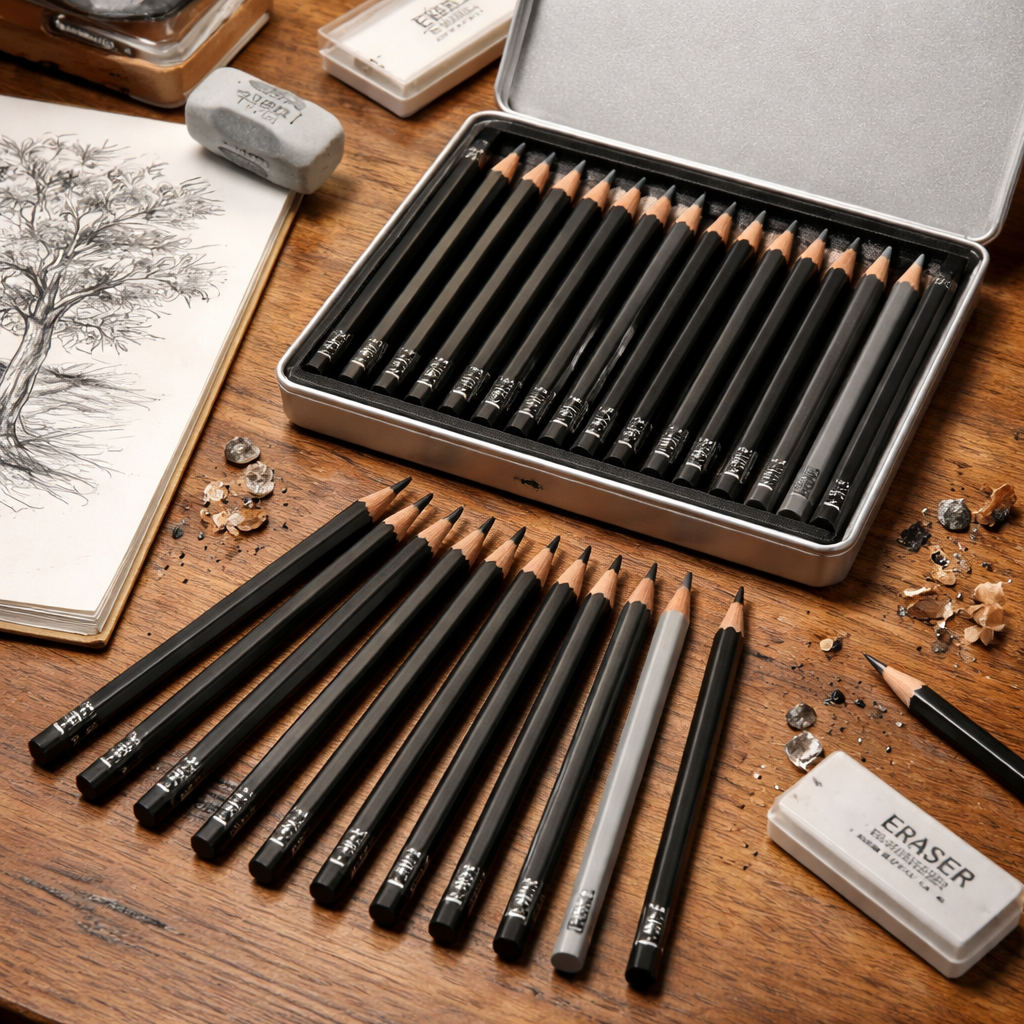
A tin or a zip‑up case keeps the wood from snapping and the lead from snapping. Keep the case flat, not stacked, so the pencils don’t press on each other. If you travel, a small pouch with a zip helps you move them without breakage.
Mind the temperature
Very hot or very cold rooms can make the wood swell or shrink. Store your pencils in a cool, dry spot. A desk drawer away from a heater works fine for most Indian homes and studios.
Many artists find that a short routine of sharpen, wipe, and store keeps their tools ready for the next sketch. Doing this each day saves time and stops you from having a broken tip mid‑drawing.
Rotate the lead
When you use the same side of the pencil for a long time, the wood can wear unevenly. Flip the pencil or turn it around every few pages. This spreads the wear and keeps the tip even.
Check for cracks
Look at the wood before you sharpen. If you see a small crack, sharpen just enough to remove it. A cracked bar can split and ruin the whole pencil.
Step 5: Budget‑Friendly Options Without Compromising Quality
You don’t need to spend a lot to get a solid pencil set. The trick is to look for kits that give you many grades in one box.
Choose a mixed‑grade pack
Brands like a 12‑pencil set that runs from 2H to 6B let you draw light lines and deep shades without buying each grade alone. This saves cash and keeps your bag light.
Go for student‑grade brands
Many Indian art stores carry student‑grade pencils that still hold a good lead. They often cost less than ₹300 per set and work fine for sketching, shading, and practice work. A quick test is to draw a line on the paper you plan to use; if the line is even and the wood doesn’t split, the pencil is ready.
Buy open‑stock colours
If you already have a favourite brand, look for individual colours sold separately. You can add just the shades you need instead of a full 48‑colour box. This way you only pay for what you’ll actually use.
One review of affordable coloured pencils points out that wax‑based student sets give decent colour without the pricey feel of professional lines. budget-friendly coloured pencils guide shows several options that work well for beginners.
Finally, watch the price tags during sales. Stores often discount kits around exam periods or holidays. Grab the deal, then store the extra pencils in a flat tin to keep them safe.
Conclusion
Picking the right drawing pencils can turn a shaky sketch into a confident line.
Remember the three things that matter most: the lead grade that matches your pressure, a quick scrap‑paper test to check balance, and simple care like sharpening, wiping dust, and storing in a flat case. Those steps keep your pencils sharp and your budget light.
When you shop, look for mixed‑grade packs or student‑grade brands that give you a full range without overpaying. A cheap set that passes the line test is often all you need to start shading and detail work.
Now you’ve got a clear roadmap from choosing a pencil to keeping it ready for the next drawing. Grab a set, try the test, and watch your art improve.
Got questions or want deeper tips? The Drawing Pencils Guru hub is packed with more how‑to guides to help you master every stroke.
FAQ
What pencil grade should a beginner use?
Most beginners do fine with an HB lead. It draws a clear line that isn’t too hard or too soft. Add a 2B for darker shading and a 2H if you need light sketch lines. Try each on the paper you plan to use: a light stroke should stay clean, and a harder press should give a richer tone without tearing the page.
How often should I sharpen my drawing pencil?
You should sharpen only when the tip starts to look fuzzy or breaks off. Pull the pencil out slow, turn the sharpener a few times, then stop. Sharpening too often dulls the blade and can waste wood. Keep a small metal sharpener handy so you can fix the point quickly between sketch sessions. If you work on a big drawing, you might sharpen every few pages; for quick doodles, a light touch every 5‑10 strokes is enough.
What’s the best way to store pencils to keep them from breaking?
Store pencils flat in a tin or zip‑up case rather than standing them upright. Flat storage stops the wood from bending under its own weight. If you travel, a small pouch with a zip keeps each pencil snug and protects the tips. Keep the case out of direct sun or damp places, because heat can make the wood swell and crack.
How can I tell if a pencil is good quality before I buy it?
Look at the wood and the lead together. Good wood feels smooth and has a tight grain; it won’t splinter when you sharpen. The lead should be even in color and not crumble. A quick test is to draw a light line on a scrap sheet; the line should be steady and the wood should stay firm. Also check the brand’s reputation; many artists trust names like Faber‑Castell or Staedtler for consistent performance.
Do mechanical pencils work for drawing?
Yes, a good mechanical pencil can replace a wood pencil for fine line work. Choose a lead size of 0.5 mm for detail and 0.7 mm for a bit more shade. Make sure the clutch holds the lead tightly, so you don’t get wobble. Keep a small eraser on the end to clean up stray marks. If you like darker tones, you can swap to a 2B lead that fits the same barrel; the result is a line without needing to sharpen.
How often should I replace my drawing pencils?
Pencils last until the wood breaks or the lead becomes too soft to hold a point. For daily sketchers, a fresh pencil every week keeps the line crisp. If you only draw on weekends, a new pencil each month is enough. Keep an eye on the tip; when it rounds out and you need to press harder, it’s time for a replacement.
