
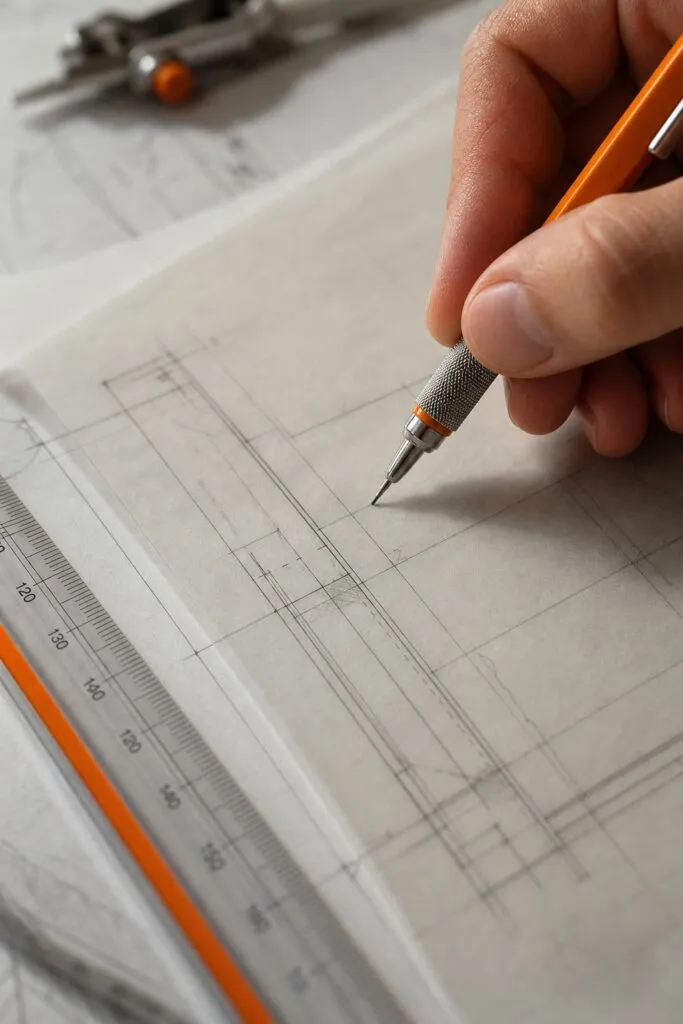
You’ve got a sheet of acetate, a design in your head, and you’re ready to draw. But when you put pencil to film, the line skips, smudges, or just won’t stick. That’s frustrating. The trick is picking the right pencil for the job. Not all pencils work on that slippery surface. In this guide, you’ll learn exactly how to choose the best drawing pencils for drafting on acetate. We’ll cover lead hardness, pencil types, compatibility with different acetate finishes, sharpening tricks, and more. By the end, you’ll know exactly what to grab for crisp, clean lines every time.
Step 1: Understand the Acetate Surface and Pencil Requirements
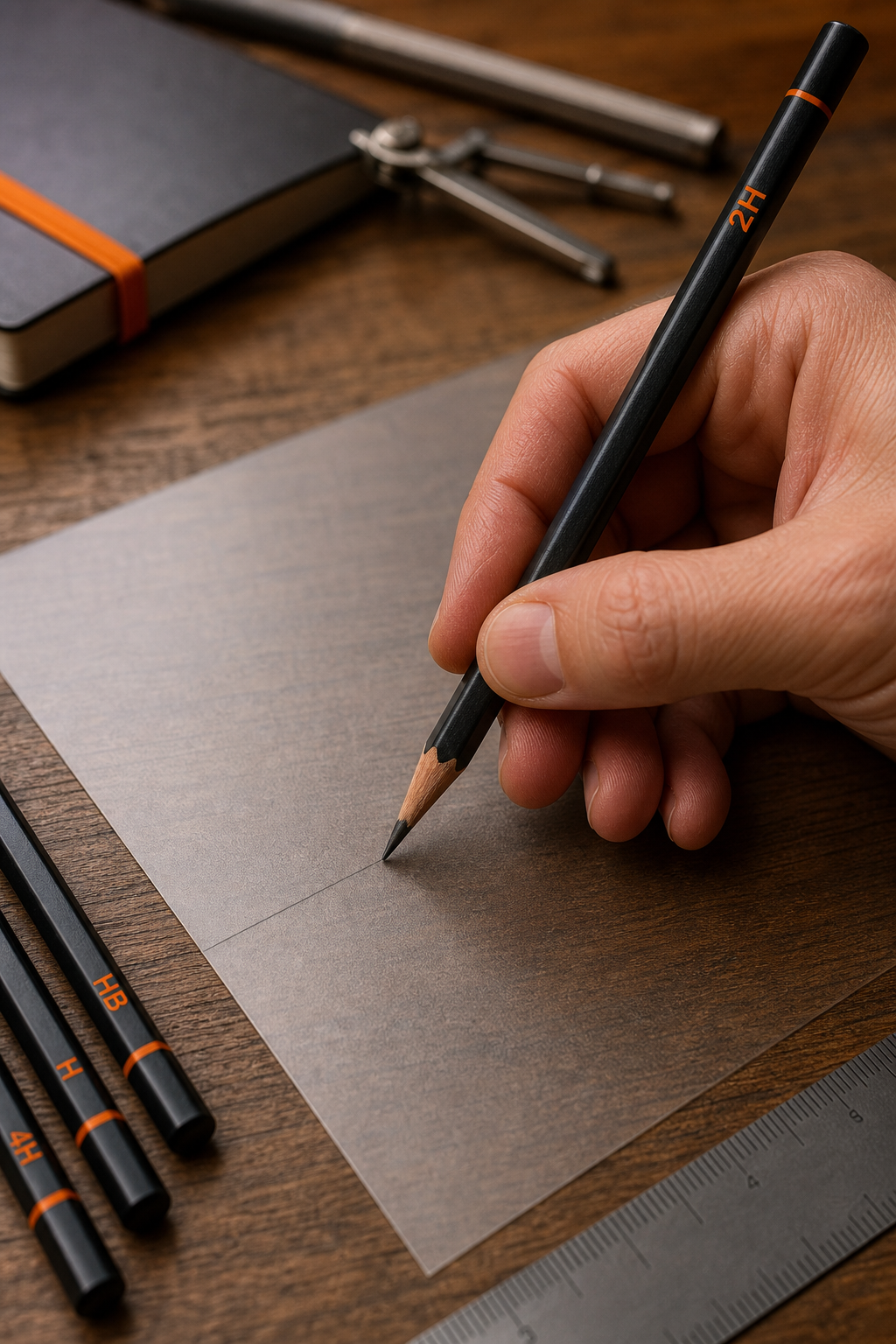
Acetate is not paper. It’s a plastic film. It’s smooth, non-porous, and often a little bit slick. That means a regular pencil that works great on sketch paper might slide right off acetate. The graphite needs to grip the surface, but not so hard that it scratches the film. And the line needs to stay put without smearing.
Most acetate sheets for drafting come in two finishes: matte and glossy. Matte acetate has a slight tooth, like a very fine frosted finish. That tooth gives the pencil something to hold onto. Glossy acetate is shiny and even slicker. You’ll need a softer or more aggressive lead to get a visible line on glossy acetate. Some brands offer matte and clear acetate films for drafting. As one YouTube creator put it, drawing on matte acetate feels like “moving like butter.”
Before you buy any pencil, think about what you’re drawing. Are you doing fine technical lines for architecture? Or are you shading a colored pencil illustration? The surface itself will guide your choice. For thin acetate (0.005 inch), a hard lead might scratch or even cut through if you press too hard. For thicker acetate (0.01 inch), you have more room to push. The key is to start with the right surface for your project. If you need to erase a lot, matte acetate is better because it takes erasing without damage.
Here’s a quick list of what to check in your acetate:
- Finish: Matte vs glossy. Matte is friendlier for pencils.
- Thickness: Thinner films need lighter touch and harder leads.
- Archival quality: Some acetate is acid-free and won’t yellow, important for artwork you want to last.
Understanding the surface is the first step. It tells you what kind of pencil characteristics you need. Once you know your acetate, you can move on to the lead itself.
Step 2: Evaluate Lead Hardness and Line Quality on Acetate
Pencil lead hardness is measured on a scale from H (hard) to B (soft). HB sits right in the middle. For acetate, you don’t want anything too soft because it will smudge easily. But you also don’t want too hard because it might not leave a visible line. According to a guide on pencil lead hardness, H leads contain more clay filler, making them lighter and more resistant to smudging. B leads are softer and darker.
On acetate, the best range is usually between 2H and 2B. Here’s a breakdown:
If you’re doing line art or technical drafting, 2H or H will give you clean, precise lines that don’t smear when you rest your hand on the acetate. For shading or filling larger areas, a softer lead like B or 2B works better, but you need to be careful. A fixative spray can help set the graphite, but test on a scrap first because some sprays can damage the acetate.
One thing to watch out for: very hard pencils (like 6H) can scratch the surface of thin acetate, especially if the film is glossy. The scratch becomes permanent, so test on a corner first. Also, keep in mind that on smooth acetate, even a 2H can feel a bit scratchy. If that happens, switch to a slightly softer lead.
Now that you know which hardness works, the next big choice is whether to use a wooden pencil or a mechanical one.
Step 3: Compare Wooden vs Mechanical Pencils for Acetate Drafting
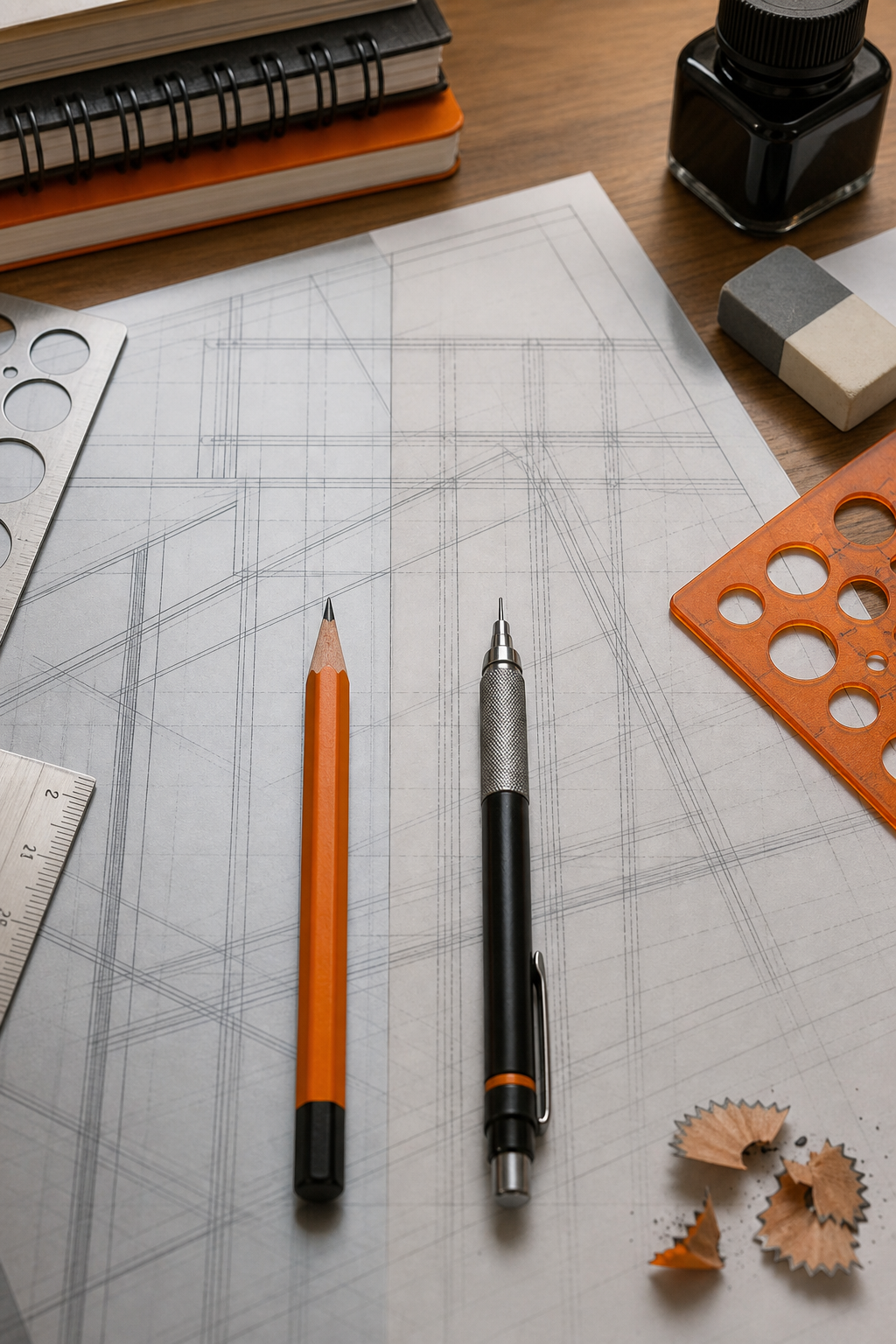
Wooden pencils and mechanical pencils both have their strengths on acetate. Which one you pick depends on your workflow, precision needs, and how much sharpening you can tolerate.
Wooden pencils give you a wider range of lead grades in a single tool. You can pick up a 2H for fine lines and an HB for shading, each in its own pencil. The feel of a wooden pencil on acetate is more traditional. Many artists say it gives better control because you can angle the tip. The downside? You have to sharpen them frequently, and the shavings can be messy. Also, if you’re working on detailed technical drafting, the wooden barrel can sometimes block your view of the drawing. But for broad strokes and shading, wooden pencils are hard to beat.
Mechanical pencils (also called clutch or propelling pencils) use a thin lead that you advance by clicking. The lead size is often 0.5mm or 0.7mm, which is perfect for consistent line width. On acetate, mechanical pencils shine because you don’t need to sharpen them. The line stays the same width from start to finish. That’s critical for architectural drawings or schematics. However, the lead can break more easily if you push too hard, especially on thin acetate. Also, mechanical pencils usually only come in HB or 2H hardness, so you have fewer options for shading.
For colored pencils on acetate, wooden is the way to go. Most colored pencils are wooden, and brands like professional-grade colored pencils work well on matte polyester film. In fact, a matte polyester film is designed to accept colored pencil nicely. One YouTube artist tested several brands on matte polyester film and said the film responded well to both professional and student grade pencils. So if you’re doing mixed media, stick with wooden.
Here’s a quick comparison table:
If you’re working on a detailed technical drawing that needs uniform lines all day, a mechanical pencil with 0.5mm 2H lead is a solid choice. For art projects with shading and color, reach for wooden pencils. And for a versatile approach, keep both in your kit.
Step 4: Test Compatibility with Acetate Finishes and Thickness
Not all acetate is the same. The finish and thickness change how a pencil behaves. Before you commit to a full drawing, run a test on the exact acetate you’ll use. Here’s what to check.
Matte acetate (like a 0.005‑inch matte acetate film) has a frosted surface. It grabs the pencil lead well. Even a 2H leaves a clear, sharp line. Erasing is easy with a kneaded eraser. This is the best choice for pencil drafting. Many artists and architects prefer it because it feels close to vellum but with the clarity of plastic. You can layer colored pencil on it, and the film won’t rip even with heavy pressure.
Glossy acetate is slick. Pencil lines can be faint or skip. You’ll need a softer lead, like 2B or even 4B, to get a visible mark. But softer leads smudge more. A good trick is to use a mechanical pencil with a harder lead and then go over the line with a dark pencil if needed. Some artists also lightly sand the glossy surface with fine grit sandpaper to give it tooth, but that changes the transparency.
Thickness matters too. Thin acetate (0.005 inches) is flexible and can bend. Hard leads can scratch through the surface if you press too hard. Use a light touch and a medium-hard lead (H or 2H). Thicker acetate (0.01 inches or more) is sturdier. You can use softer leads and more pressure without damage. For example, a 0.010‑inch acetate film is often used for alcohol inks, but it also works for pencil if you choose the right grade.
Test each pencil on your acetate: draw a line, see how it feels, check for smudging, and try erasing. If the line is too light, go softer. If it smudges too easily, go harder. Take notes. This five‑minute test saves you hours of frustration later.
One more thing: some acetate films come with a coating that resists graphite. For example, “wet media” coated acetate is designed for water‑based paints, not pencil. Always read the product description. If in doubt, buy a small sample pack first. Some brands offer variety packs of films so you can test different surfaces.
Step 5: Master Sharpening and Maintenance for Acetate Drafting
Sharp pencils make clean lines. Dull pencils can scratch or leave uneven marks. On acetate, this is even more important because the surface is unforgiving. Here’s how to keep your pencils ready.
For wooden pencils: Use a good quality sharpener that gives a long, conical point. Avoid blade sharpeners that chew up the wood. A sharp point lasts longer and gives you more control. You can also use a craft knife to sharpen, but that takes practice. The key is to expose enough graphite to make a fine tip, but not so much that it breaks easily. On acetate, a slightly shorter tip (less exposed graphite) is stronger and less likely to snap.
For mechanical pencils: The main maintenance is preventing lead jams. Use the correct lead diameter for your pencil (e.g., 0.5mm, 0.7mm). Store your mechanical pencil with the tip retracted to protect it. If the lead breaks inside, clean it out carefully. Some mechanical pencils have a cleaning rod. Also, avoid pressing too hard; mechanical pencils are meant for light pressure. If you hear a clicking sound, you might be pushing too hard and the lead is breaking.
Erasers matter too. On acetate, a kneaded eraser works best because it can lift graphite without damaging the film. Plastic erasers can be too harsh and leave scratches. For stubborn marks, use a soft white vinyl eraser gently. Test on scrap first.
Storage: Keep pencils in a case to protect the tips. Acetate drawings should be stored flat or rolled. If you stack them, slip a piece of glassine paper between to prevent smudging. Fixative can help set the graphite, but use one that is compatible with plastic films. Some fixatives can make acetate cloudy, so test first.
If you’re using colored pencils, sharpen them to a long point for fine details. Colored pencil leads are softer and break more easily, so go slowly. And always keep a few spare leads for your mechanical pencil handy, especially if you’re working on a big project.
Conclusion
Choosing the best drawing pencils for drafting on acetate doesn’t have to be a guessing game. Start by understanding your acetate: matte or glossy, thick or thin. Then pick a lead hardness that matches your line needs. For technical lines, go with 2H or H in a mechanical pencil. For shading and color, reach for wooden pencils with B grades. Test everything on a scrap piece first. That’s the golden rule. And take care of your pencils , sharp tips and clean leads make a world of difference.
Now you’re equipped to get the most out of acetate drafting. Grab your pencils, grab some acetate, and start drawing. If you want to explore more about choosing the right pencils for technical drawing, on Choosing the Right Pencils for Technical Drawing. And if you spend long hours at your drafting table, consider protecting your eyes with best blue light glasses for 2026 to reduce strain. Happy drawing!
Frequently Asked Questions
What is the best lead hardness for drawing on acetate?
For most acetate drafting, 2H or H is a good starting point. These leads are hard enough to avoid smudging but soft enough to leave a visible line. If you need a darker line on matte acetate, try HB. On glossy acetate, you might need 2B, but be ready for more smudging. Always test on your specific acetate.
Can I use regular drawing pencils on acetate?
Yes, but results vary. Standard sketch pencils (like HB) work on matte acetate but may smear on glossy. Professional art pencils with higher quality graphite bond better to the film. Brands that offer high-quality graphite pencils with consistent lead are popular among drafters.
Should I use a wooden or mechanical pencil for acetate drafting?
It depends on your needs. Mechanical pencils give uniform line width and never need sharpening, making them ideal for technical drafting. Wooden pencils offer a wider range of hardness for shading and are better for artistic work. Many artists keep both in their kit.
How do I prevent smudging on acetate?
Use a harder lead (2H or H), which leaves less graphite on the surface. Work from top to bottom if you’re right-handed, or use a sheet of paper under your resting hand. A fixative spray can set the graphite, but test on scrap first as some fixatives might cloud the acetate.
Can I use colored pencils on acetate?
Yes, especially on matte polyester film. Premium colored pencils from well-known manufacturers work well. The film’s tooth holds the pigment. For glossy acetate, colored pencils may not adhere well. Lightly sanding the surface can help, but it affects transparency.
What thickness of acetate is best for pencil drafting?
0.005 inch (about 0.13 mm) is common for drafting and is good for pencil work if you use a light hand. Thicker acetate (0.01 inch) is more durable and forgiving of pressure. For beginners, thicker is easier because it doesn’t bend or tear as easily.
How do I erase pencil marks from acetate without damaging it?
Use a kneaded eraser. Press it onto the graphite line and lift, don’t rub. If you need to remove more, use a soft white vinyl eraser gently. Avoid using hard plastic erasers or rubbing too hard, as they can scratch the acetate surface permanently.
Is acetate archival safe for pencil drawings?
Standard acetate is not acid-free and will yellow over time. For archival purposes, use acid-free polyester films that are non-yellowing. Also, choose high-quality graphite pencils that are fade-resistant. Store artwork away from direct sunlight and humidity to preserve it.
